Editor's brief
Modern theater is undergoing a radical metamorphosis, moving beyond the proscenium arch to create immersive, spatial narratives. By transforming physical environments into interactive landscapes, creators are shifting audiences from passive observers to active participants, fostering deeper empathy and a visceral, human connection that defies the digital age.
#Immersive Theater
#Performing Arts
#Experience Design
#Narrative
The theater has long been defined by the silent pact of the proscenium arch, a structural boundary that cordoned off the stage and left the audience as passive, sequestered observers. Yet, as we navigate a century defined by rapid technological shifts and a desperate hunger for genuine human connection, the performing arts are undergoing a radical metamorphosis. We are moving beyond the velvet-lined safety of the house, stepping into a new era where the stage is no longer a destination to view, but a landscape to be inhabited and experienced in real-time. The Evolution of Spatial Narrative For generations, the theater was a silent contract between performer and observer, a gilded frame that kept art at a safe distance [1]. This physical separation has rapidly dissolved as modern creators burn down the fourth wall to integrate performance into our immediate, lived environment. By abandoning traditional houses for cavernous warehouses or crumbling historic homes, immersive practitioners transform architecture itself into a narrative device. In cities like Singapore, where hyper-modern design constantly clashes with colonial heritage, this awareness of space resonates deeply. As the audience shifts from bystander to explorer, the architectural layout dictates our rhythm, turning every staircase and corridor into a fundamental tool for emotional storytelling [2]. Redefining the Role of the Spectator The transition from passive viewer to active participant is perhaps the most sign...
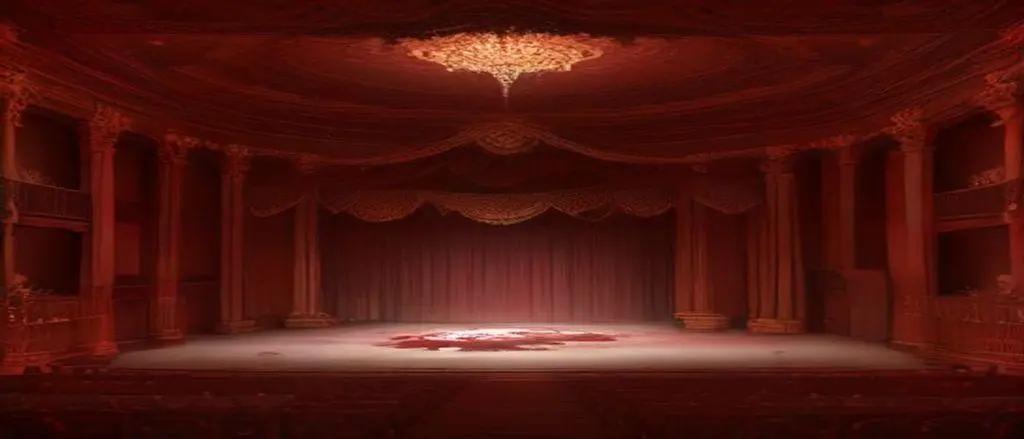
The theater has long been defined by the silent pact of the proscenium arch, a structural boundary that cordoned off the stage and left the audience as passive, sequestered observers. Yet, as we navigate a century defined by rapid technological shifts and a desperate hunger for genuine human connection, the performing arts are undergoing a radical metamorphosis. We are moving beyond the velvet-lined safety of the house, stepping into a new era where the stage is no longer a destination to view, but a landscape to be inhabited and experienced in real-time.
The Evolution of Spatial Narrative
For generations, the theater was a silent contract between performer and observer, a gilded frame that kept art at a safe distance [1]. This physical separation has rapidly dissolved as modern creators burn down the fourth wall to integrate performance into our immediate, lived environment. By abandoning traditional houses for cavernous warehouses or crumbling historic homes, immersive practitioners transform architecture itself into a narrative device. In cities like Singapore, where hyper-modern design constantly clashes with colonial heritage, this awareness of space resonates deeply. As the audience shifts from bystander to explorer, the architectural layout dictates our rhythm, turning every staircase and corridor into a fundamental tool for emotional storytelling [2].
Redefining the Role of the Spectator
The transition from passive viewer to active participant is perhaps the most significant shift in contemporary performing arts. In an interactive performance, the narrative is no longer a static script delivered from afar; it is a collaborative, shared burden. Your physical choices—whether to follow a lead actor down a hidden hallway or investigate a desk of cryptic letters—function as a compass, tailoring the story to your own curiosity [3]. This tactile engagement, which invites the audience to touch, explore, and whisper, strips away the rigid etiquette of the past, replacing the comfort of a fixed seat with the adrenaline of personal discovery.
The Mechanics of Immersive Design
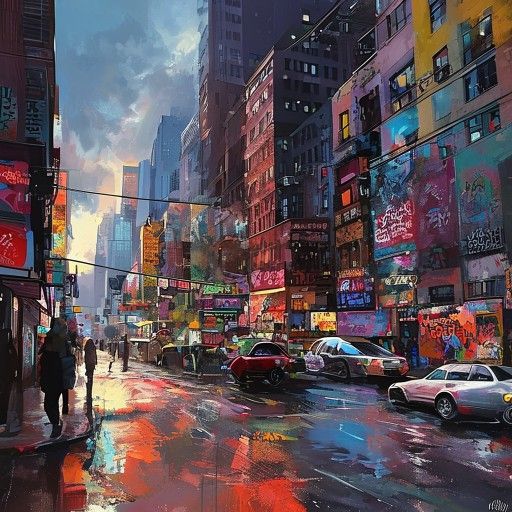
Stepping into a contemporary production is akin to entering a living, breathing painting. The magic resides in the unseen architecture of the environment, where every detail must hold the weight of reality. Designers must function as novelists, populating spaces with props that carry backstories and utilizing binaural soundscapes to act as invisible conductors for the crowd [4]. While costume designers craft robust, period-accurate garments meant to survive the intense scrutiny of an audience standing mere inches away, technical teams bridge the gap between historic venues and modern safety codes. This holistic integration of lighting, scent, sound, and structure creates a cohesive world that breathes alongside the spectator.
The Architecture of Feeling: Psychological Impact and Empathy
When the distance provided by the proscenium arch vanishes, the psychological impact on the observer is profound. Occupying the same spatial reality as the actors forces a cognitive leap—the "what would I do?" reflex—that traditional drama often fails to trigger [5]. This proximity fosters a raw, visceral form of empathy, as the barriers between fiction and our personal reality blur. Whether through a whispered secret or a moment of shared struggle, immersive works strip away the anonymity of the crowd, demanding a level of presence and vulnerability that invites us to engage with complex themes like grief and injustice not just intellectually, but with our entire bodies.
The Digital Influence on Live Experience
In our screen-saturated era, we often suffer from a fatigue of the virtual. Paradoxically, the most successful immersive works utilize technology not as a distraction, but as a gateway to deeper physical presence [6]. By overlaying augmented reality (AR) or digital ciphers onto tangible, physical sets, artists are effectively "gamifying" the stage. This hybrid approach rewards the observant participant, turning a performance into a detective experience. However, the heartbeat of this genre remains resolutely human; even when we unlock secrets on a digital tablet, the true power lies in the serendipity of face-to-face connection that no algorithm can replicate.
The Future of Participatory Storytelling
As we look ahead, the boundary between life and art will likely continue to thin. The future of the genre points toward city-wide narratives that permeate our daily routines, turning an urban commute into a pivotal plot point [7]. Moving forward, the industry must prioritize universal accessibility and permanent, evolving installations that adapt to collective audience input. I encourage you to step out of the comfort zone of your next ticketed event and seek out these experimental environments. Challenge yourself to show up, to move, and to engage; in doing so, you stop being a consumer of art and begin to author your own transformative experience. The stage is no longer a place you go—it is the lens through which you experience the world.
References
- Alston, A. (2016). Beyond 'Passive' Spectatorship: The Development of Immersive Theater. Contemporary Theatre Review, 26(3), 291-304. View source
- Machon, J. (2013). Immersive Theatres: Intimacy and Immediacy in Contemporary Performance. Palgrave Macmillan. View source
- Dixon, S. (2007). Digital Performance: A History of New Media in Theater, Dance, Performance Art, and Installation. MIT Press. View source
- Freshwater, H. (2009). Theatre & Audience. Palgrave Macmillan. View source
- Reason, M. (2010). The Young Audience: Exploring and Enhancing Children's Experiences of Theatre. Trentham Books. View source
- Kaye, N. (2007). Multi-media: Video-Installation-Performance. Routledge. View source
- Bishop, C. (2012). Artificial Hells: Participatory Art and the Politics of Spectatorship. Verso Books. View source

Hey there, I’m Serena Tan. With a background in Fine Arts and over 6 years diving deep into culture and fashion columnist highlighting how art, design, and style trends reflect identity, cities, and social change., I try to bring a personal touch to every piece I write—grounded, clear, and real.