
Editor's brief
Food neophobia and a desire for autonomy often turn mealtimes into power struggles. By shifting the focus from consumption to sensory exploration and removing pressure, parents can help children overcome biological aversions and develop a healthier, more curious relationship with food.
#Picky eating
#Child nutrition
#Parenting tips
#Food neophobia
A child who happily ate mashed peas at ten months can suddenly treat a single piece of steamed broccoli as if it were a hazardous material by age two. This abrupt shift often leaves parents feeling bewildered, but it is rarely a reflection of poor parenting. Much of this behavior is rooted in food neophobia, a biological instinct common in early childhood where an unfamiliar texture or color is perceived as a potential threat [1]. When we understand that this resistance is a mix of evolutionary survival and a developing need for autonomy, we can stop the dinner-table battles and start fostering a genuine curiosity for healthy foods. The Psychology of the Picky Eater Beyond biology, the dinner table is one of the first places a child discovers agency. For a preschooler, most of the day is governed by adult directives; deciding what enters their own body is one of the few areas where they possess absolute control. In these moments, a child is often less concerned with the taste of the food and more interested in the act of exercising their will. However, it is necessary to distinguish between a power struggle and sensory processing challenges. What an adult perceives as a "slimy" texture or a "strong" smell can be physically overwhelming for a child with heightened sensory sensitivities. For these children, refusal is a protective response to a stimulus that feels intrusive. Encouraging them to "try one more bite" is often ineffective because they are experiencing genuine physi...
A child who happily ate mashed peas at ten months can suddenly treat a single piece of steamed broccoli as if it were a hazardous material by age two. This abrupt shift often leaves parents feeling bewildered, but it is rarely a reflection of poor parenting. Much of this behavior is rooted in food neophobia, a biological instinct common in early childhood where an unfamiliar texture or color is perceived as a potential threat [1]. When we understand that this resistance is a mix of evolutionary survival and a developing need for autonomy, we can stop the dinner-table battles and start fostering a genuine curiosity for healthy foods.
The Psychology of the Picky Eater
Beyond biology, the dinner table is one of the first places a child discovers agency. For a preschooler, most of the day is governed by adult directives; deciding what enters their own body is one of the few areas where they possess absolute control. In these moments, a child is often less concerned with the taste of the food and more interested in the act of exercising their will.
However, it is necessary to distinguish between a power struggle and sensory processing challenges. What an adult perceives as a "slimy" texture or a "strong" smell can be physically overwhelming for a child with heightened sensory sensitivities. For these children, refusal is a protective response to a stimulus that feels intrusive. Encouraging them to "try one more bite" is often ineffective because they are experiencing genuine physiological discomfort.
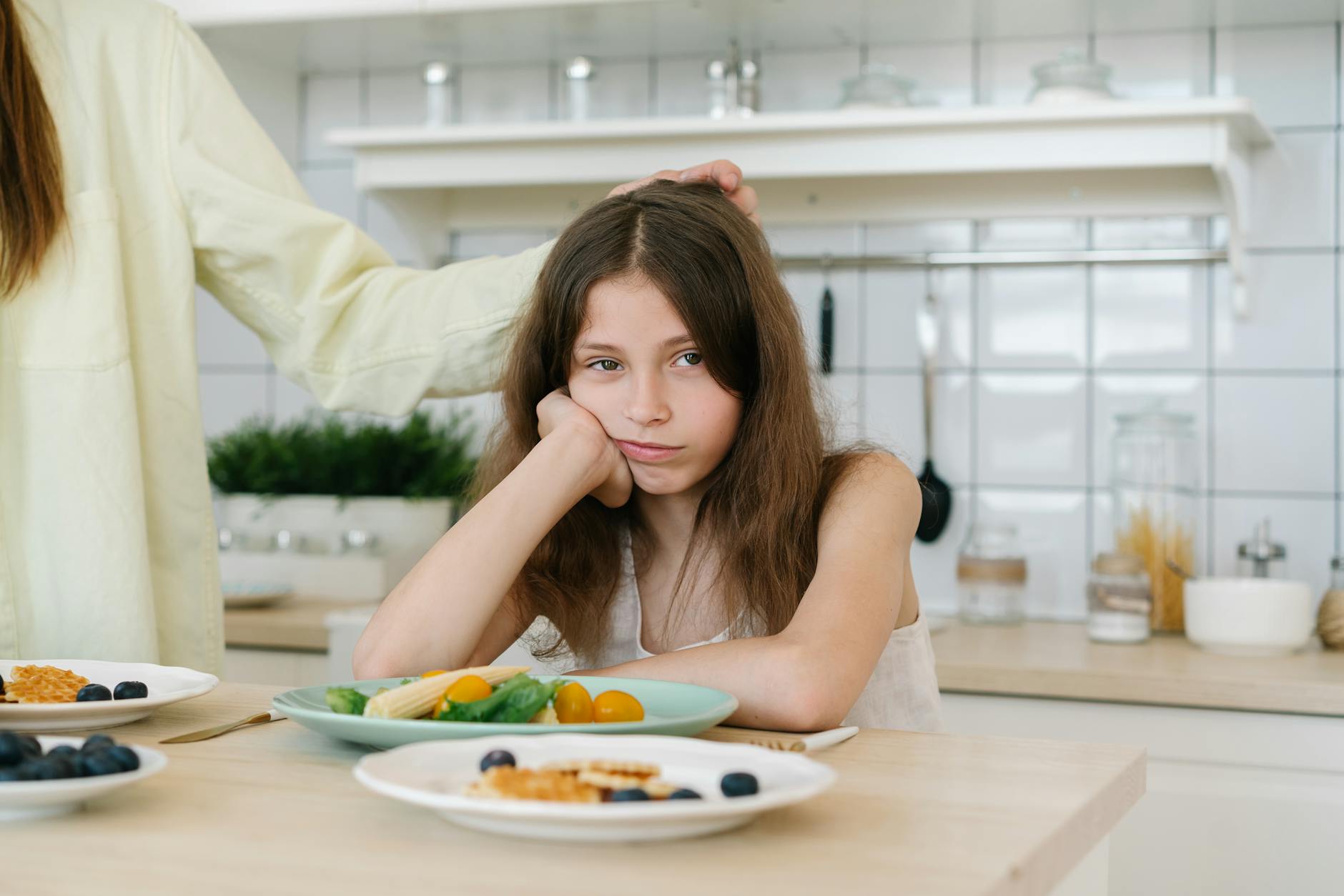
The labels used during these phases can solidify these behaviors. Describing a child as a "picky eater" in their presence risks transforming a temporary developmental phase into a permanent identity. Children often strive for consistency with the labels adults assign to them; once they believe they are "the one who doesn't like vegetables," they may reject new foods simply to maintain that self-image.
Creating a Low-Stress Dining Environment
When a meal transforms into a battle of wills, the child’s brain shifts into a state of fight-or-flight. This triggers a release of cortisol that can suppress appetite and increase aversion to new tastes. To counter this, the primary goal must shift from the volume of food consumed to the emotional quality of the interaction.
This shift begins with social modeling. Children learn more from observed behavior than from verbal instructions. If a parent encourages spinach while avoiding it themselves, the child detects the inconsistency, reinforcing the idea that the vegetable is something to be endured rather than enjoyed. Demonstrating genuine pleasure—commenting on the crunch of a carrot or the sweetness of a roasted pepper—normalizes the food and removes the perceived danger.
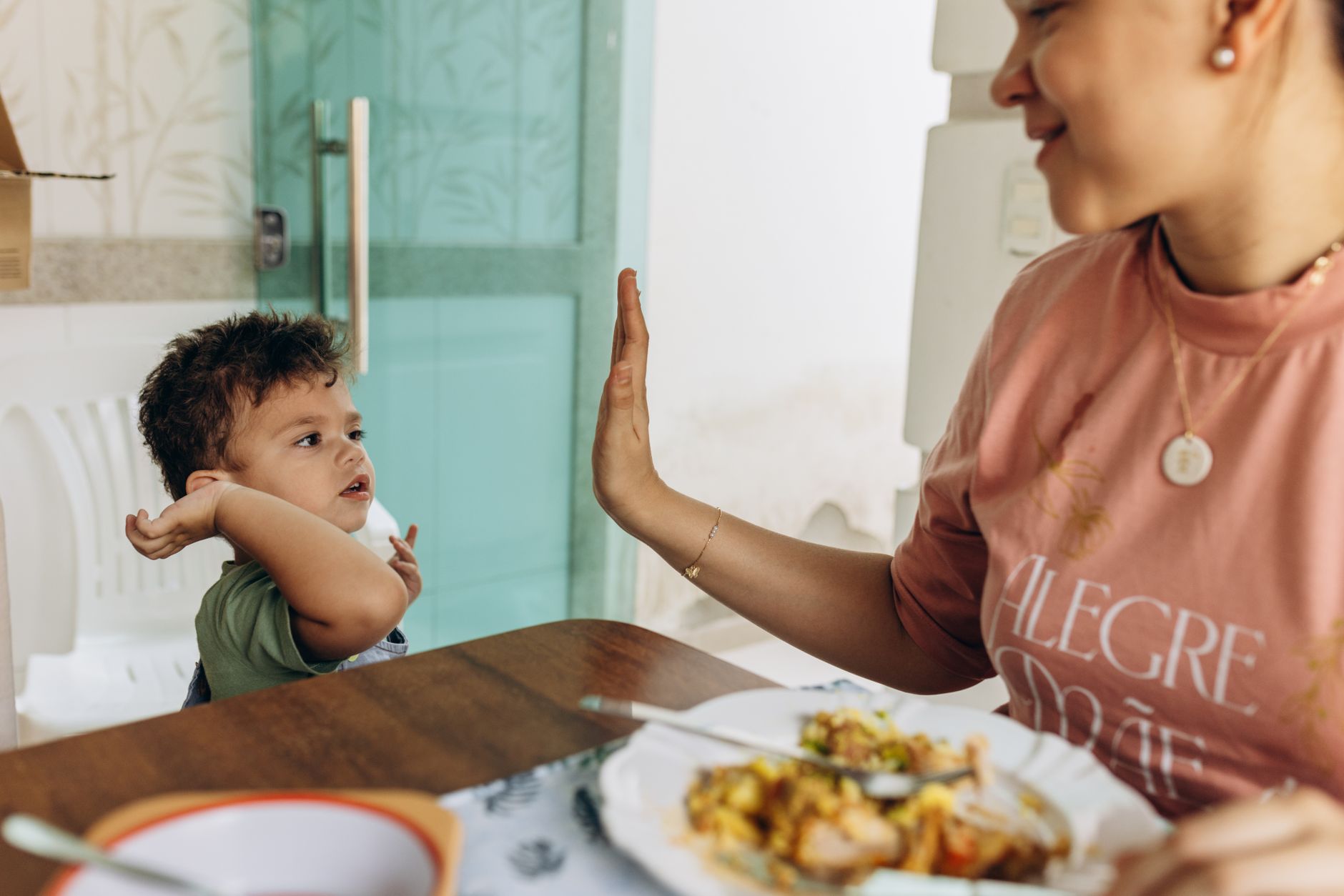
To eliminate the friction of the "one more bite" rule, parents can adopt a division of responsibility: the parent decides what, when, and where food is served, and the child decides whether to eat and how much [2]. A helpful script for this transition is: "It is my job to provide healthy food, and it is your job to listen to your tummy to decide if you are full."
Predictability further reduces anxiety. Establishing consistent meal and snack times provides a psychological safety net, making children more open to experimentation. This stability is most effective when digital distractions are removed. Tablets and televisions create a state of mindless eating, disconnecting the child from the smell, texture, and color of their food—sensory experiences necessary for the desensitization required to accept new ingredients.
Tactics for Expanding the Palate
Since neophobia makes unfamiliar foods seem risky, "food bridging" can be used to introduce new flavors. This technique leverages existing preferences to create a bridge to something new. If a child loves salty french fries, the bridge is not a raw carrot, but perhaps a roasted sweet potato wedge. By maintaining the familiar color, shape, and cooking method, the new food feels like a safe variation rather than a risk.
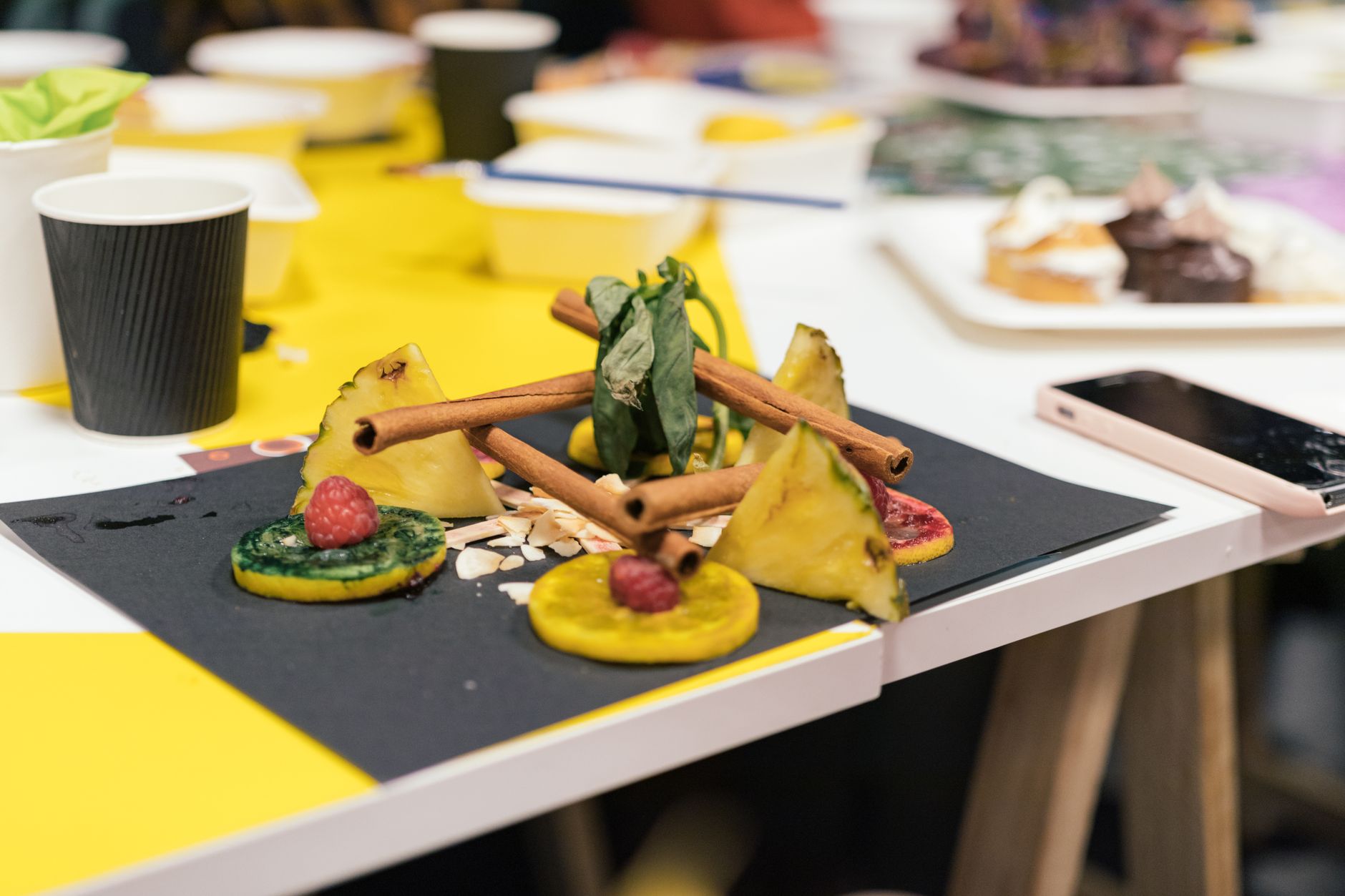
When bridging isn't enough, integrate small amounts of new ingredients into familiar toddler meal ideas. Children have a higher density of taste buds than adults, meaning bitterness can feel overwhelming. Rather than hiding vegetables—which can lead to distrust—enhance a favorite dish. Stirring pureed cauliflower into mac and cheese or blending spinach into a fruit smoothie allows the child to acclimate to the flavor profile without sensory shock.
Reducing the pressure to ingest food is often the fastest way to get a child to taste it. Encourage a sensory hierarchy of interaction by asking the child to be a "food scientist." They can describe the food using other senses first: touching the skin of a plum to see if it is smooth or smelling a piece of zucchini to see if it smells like grass. By decoupling touching or smelling from the requirement to swallow, the eventual taste becomes a natural next step.
Using Snacks as a Training Ground
Snacks are ideal for low-stakes exploration because the pressure of a formal dinner is absent. Creating a designated snack station—a low shelf in the fridge or a basket on the counter—allows a child to exercise curated autonomy. When a child chooses from a pre-approved selection of healthy kid snacks, the psychological shift moves from "What is my parent letting me have?" to "What do I feel like eating?"
The most effective snack strategy is pairing a "safe" food with a "challenge" food. Placing a familiar favorite, such as grapes or cheese, alongside a small portion of something new lowers the child's stress levels. For example, pairing apple slices with a small dollop of almond butter introduces nutrient-dense fats while maintaining a trusted flavor profile.

Keep portions of unfamiliar foods very small—sometimes as small as a single pea—to prevent sensory overload. Success should be redefined to include any positive interaction. In developmental psychology, the hierarchy of food acceptance includes tolerating the food on the plate, smelling it, touching it, licking it, and finally tasting it. Praising the courage it took to touch or smell the food removes performance anxiety.
Engaging the Senses Outside the Kitchen
Exposure begins long before the meal is served. Giving a child the agency to select one new fruit or vegetable at the grocery store transforms the shopping trip into a laboratory of choice. This small act of decision-making fosters a sense of ownership that makes them more likely to taste the result.

Once home, the kitchen serves as a space for tactile desensitization. Allowing children to rinse spinach in a colander or stir chopped carrots lets them interact with the food without the pressure to eat it. This hands-on engagement normalizes the ingredient through touch and sight. When a child helps prepare the meal, the food is no longer an imposition; it is a project they helped build.
To make nutrition resonate, frame nutrients as tools for their daily goals. Instead of abstract vitamins, explain that blueberries are "brain berries" that help them remember game rules, or that spinach provides energy for the playground. This connection can be deepened with a window-sill garden; eating a cherry tomato they grew themselves transforms the vegetable into a point of pride.
Managing Long-Term Expectations
Parental anxiety often stems from a misunderstanding of biological timelines. Food neophobia typically peaks between ages two and six. It frequently takes ten to fifteen separate exposures to a single food before a child’s brain registers it as safe [3]. Because exposure includes smelling or simply tolerating the food on the plate, any interaction is a win.
Progress is rarely linear. A child who loved broccoli for months may suddenly reject it as they experiment with their emerging autonomy. Remaining neutral during these dips prevents the child from discovering that food refusal is a tool for gaining adult attention. Tracking patterns in a food diary can reveal that a child rejects steamed carrots but enjoys them raw, transforming a "picky" phase into a set of manageable preferences.

Finally, view nutrition through a weekly lens rather than a nightly struggle. The pressure to produce a perfectly balanced plate at every meal creates a high-stress environment that can suppress appetite. If a child eats plain pasta on Tuesday but a variety of proteins and fruits throughout the rest of the week, their developmental needs are being met. Prioritizing a calm, supportive atmosphere ensures the table remains a place of connection.
Conclusion
Expanding a child's palate is less about the food itself and more about the emotional environment in which that food is presented. By recognizing the biological roots of neophobia and the psychological drive for autonomy, parents can move from the role of enforcer to that of a guide. The key is to remove the "win-lose" binary of the dinner table and replace it with a process of gradual, low-pressure exploration.
Practical Takeaway: Shift your definition of success. For the next month, stop measuring success by whether your child swallowed the vegetable. Instead, celebrate "micro-wins": a touch, a smell, or a curious look. By rewarding the bravery of exploration rather than the act of compliance, you lower the stakes and open the door to a healthier, lifelong relationship with food.
References
- Pliner, P., & Hobden, K. (1992). Development of a scale to measure the extent of food neophobia in children. Appetite.
- Satter, E. (2000). Child feeding: The division of responsibility in the family. Division of Responsibility in Feeding.
- Jordan, A. et al. (2014). The effect of repeated exposure on children's acceptance of vegetables. Pediatric Nutrition Journal.

I'm Maria Gonzales. I never imagined that my studies in Developmental Psychology would lead me here, but 16 years later, writing about parenting and education columnist helping families support children’s emotional, social, and academic growth. has become my way of making sense of the world—and helping others do the same.