Editor's brief
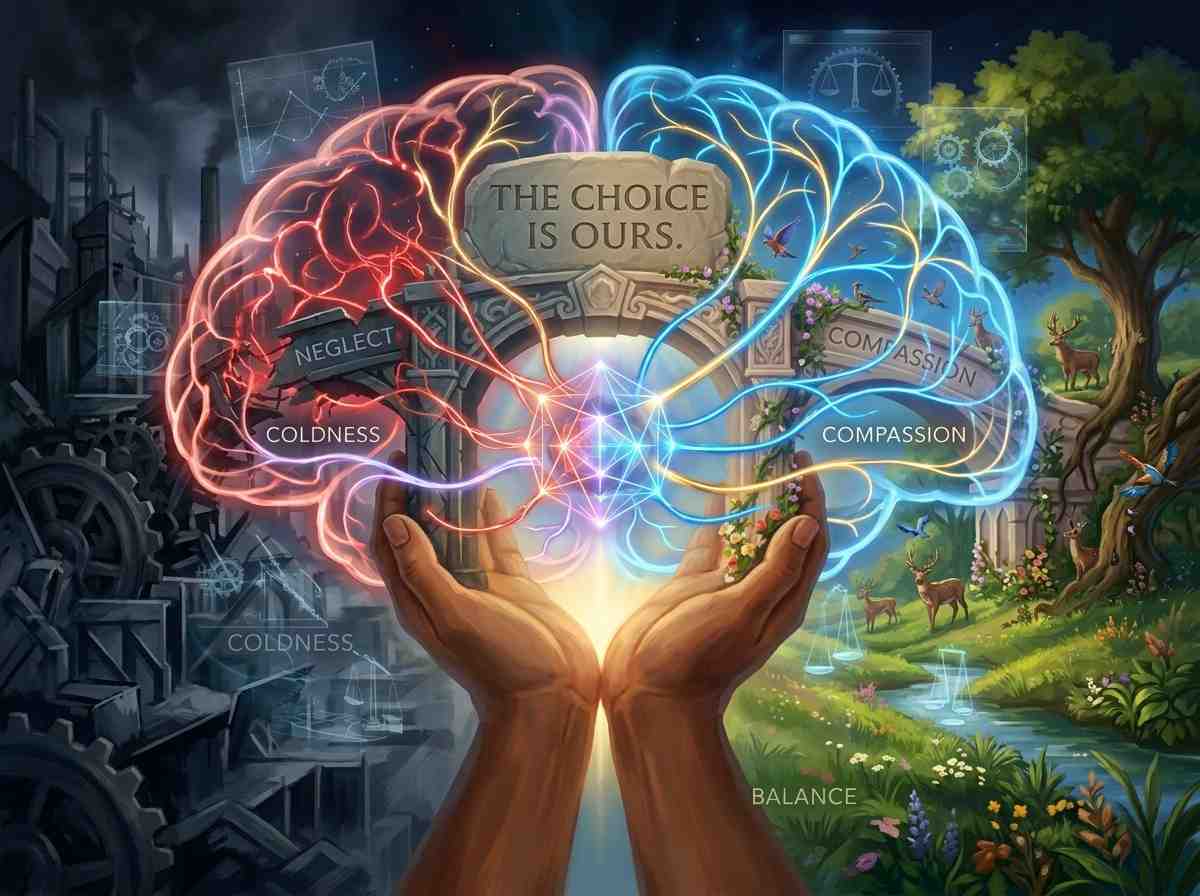
This article explores the brain's decision-making matrix, bridging neuroscience and psychology. It unpacks neural foundations, cognitive biases, emotional influences, and computational models. Understand how your brain navigates choices to foster personal growth and informed decisions.
#Decision-Making
#Neuroscience
#Psychology
#Cognitive Bias
Decision-making, a fundamental aspect of human cognition, involves an intricate orchestration of neural pathways, psychological processes, and environmental influences. Far from being a simple, linear process, it represents a complex interplay where sensory input, memories, emotions, and foresight converge to shape our choices. This article provides an authoritative exploration into the brain's decision-making matrix, bridging insights from neuroscience and psychology to elucidate the sophisticated architecture of choice that governs our daily lives. The Neurobiological Foundations of Choice The neural underpinnings of decision-making are rooted in a complex network of cerebral structures, primarily involving the prefrontal cortex, the amygdala, and the striatum, each contributing uniquely to the symphony of choice. Neuroscience research illuminates the critical role of the ventromedial prefrontal cortex (vmPFC) in integrating emotional information with cognitive processes to guide advantageous choices. This region acts as a crucial nexus, assessing the potential value and emotional salience of various options. For instance, when considering whether to confront a loved one about a sensitive issue, the vmPFC helps weigh the immediate discomfort against the potential long-term relational benefits, integrating emotional foresight with rational assessment. Damage to this area can lead to increased risk-taking and difficulty in social decision-making, where individuals might strug...
Decision-making, a fundamental aspect of human cognition, involves an intricate orchestration of neural pathways, psychological processes, and environmental influences. Far from being a simple, linear process, it represents a complex interplay where sensory input, memories, emotions, and foresight converge to shape our choices. This article provides an authoritative exploration into the brain's decision-making matrix, bridging insights from neuroscience and psychology to elucidate the sophisticated architecture of choice that governs our daily lives.
The Neurobiological Foundations of Choice
The neural underpinnings of decision-making are rooted in a complex network of cerebral structures, primarily involving the prefrontal cortex, the amygdala, and the striatum, each contributing uniquely to the symphony of choice. Neuroscience research illuminates the critical role of the ventromedial prefrontal cortex (vmPFC) in integrating emotional information with cognitive processes to guide advantageous choices. This region acts as a crucial nexus, assessing the potential value and emotional salience of various options. For instance, when considering whether to confront a loved one about a sensitive issue, the vmPFC helps weigh the immediate discomfort against the potential long-term relational benefits, integrating emotional foresight with rational assessment. Damage to this area can lead to increased risk-taking and difficulty in social decision-making, where individuals might struggle to integrate emotional consequences into their choices, often resulting in poorer judgment. As a counseling psychologist, understanding this mechanism is profound, as it allows for conceptualizing how clients facing challenges in emotional regulation might struggle with decisions that require balancing immediate gratification against future well-being, often manifesting as relationship difficulties or financial instability.
In contrast, the dorsolateral prefrontal cortex (dlPFC) is heavily implicated in working memory and the executive control necessary for deliberate decision-making and risk assessment. While the vmPFC leans into emotional valuation, the dlPFC champions the more analytical, "cold" cognitive processes. It is the region that allows us to hold multiple pieces of information in mind, manipulate them, and systematically evaluate potential outcomes before making a choice. For example, when meticulously planning a career change or evaluating a complex financial investment, the dlPFC is highly active, enabling risk assessment, forecasting future scenarios, and inhibiting impulsive reactions. It is what allows a person to delay gratification, focusing on a future reward rather than an immediate, lesser one. In a therapeutic context, when assisting clients with goal setting or managing addictive behaviors, the aim is often to strengthen these executive control functions mediated by the dlPFC, helping them build the mental muscle to pause, reflect, and make choices aligned with their long-term values, even when faced with immediate urges.
Beyond the prefrontal cortex, subcortical structures such as the basal ganglia contribute significantly to reward-based learning and habit formation, influencing automated decisions. These structures are vital for learning associations between actions and their outcomes, especially when those outcomes are rewarding. Over time, repeated actions in response to specific cues, particularly when consistently reinforced, can become ingrained as habits, requiring less conscious deliberation. Think about the automaticity of driving a familiar route or reaching for a comforting snack when stressed; these are largely basal ganglia-driven choices, efficient but sometimes resistant to change. From a mental health perspective, understanding the basal ganglia's role in habit formation is crucial for addressing entrenched patterns of behavior, such as unhealthy coping mechanisms or relationship dynamics. By recognizing that these are not merely "bad choices" but deeply wired neural programs, interventions can be approached with more empathy and strategic insight, aiming to rewire these neural networks for more adaptive responses.
The advent of functional neuroimaging techniques, such as fMRI and EEG, has been revolutionary, elucidating the temporal dynamics of neural activation patterns during various phases of choice, from deliberation to execution. These techniques allow researchers to observe which brain regions become active and in what sequence as we contemplate an option, weigh its pros and cons, commit to a decision, and finally act upon it. This dynamic mapping reveals that decision-making is not an instantaneous event but a cascade of neural processing, with different brain areas engaging and disengaging in a coordinated fashion. For example, the initial presentation of a choice might activate sensory areas, followed by vmPFC and dlPFC engagement during evaluation, and culminating in motor cortex activation during execution. This deeper understanding of the "when" of neural activity is invaluable for pinpointing precise stages where cognitive biases might exert their influence or where interventions could be most effective.
Decoding the Brain's Cognitive Matrix
Decision-making, at its core, represents a pinnacle of high-level cognitive function, demanding intricate neural orchestration to navigate the landscape of alternatives and commit to a definitive course of action. This fundamental process is far more complex than a simple selection; it is an elaborate interplay of numerous cognitive components, reflecting the brain's remarkable capacity for adaptation and problem-solving. Indeed, the very essence of human behavior, from the mundane to the monumental, is shaped by these continuous acts of choosing. The study of this phenomenon bridges the fields of neuroscience and psychology, offering profound insights into the underlying brain science that governs our choices.
Integral to this intricate process are foundational elements of cognition, specifically perception, memory, and reasoning, which collectively inform how we interpret and respond to our environment. Our perception filters the barrage of sensory information, memory provides a vast repository of past experiences and learned associations, and reasoning allows us to logically evaluate potential outcomes. For instance, consider a clinician choosing a therapeutic intervention: their decision is not solely based on presenting symptoms but is deeply informed by their memory of similar cases, the perceived nuances of the client's non-verbal cues, and their reasoned understanding of evidence-based practices. Research highlights how pathways between the hippocampus (memory) and the medial frontal cortex (decision-making) are selectively activated when memory retrieval is crucial for making informed choices. This continuous loop of information processing, evaluation, and feedback is crucial for adaptive decision-making.
Within the expansive realm of psychology, a critical distinction is drawn between intuitive (System 1) and deliberative (System 2) cognitive processes, both of which are indispensable contributors to the architecture of choice. System 1 thinking is characterized by its speed, automaticity, and reliance on instinct and emotion, often operating outside conscious awareness. It enables rapid responses to familiar situations, like instinctively stepping back from an unexpected noise. Conversely, System 2 thinking is slower, more effortful, and analytical, engaged when decisions are complex, novel, or demand careful thought and logical reasoning. While System 1 is efficient, System 2 provides the critical oversight, allowing us to override initial impulses and engage in more reasoned evaluations. The prefrontal cortex, particularly the dorsolateral prefrontal cortex, plays a vital role in System 2 thinking, managing working memory and cognitive control, while System 1 processes often involve the amygdala and other limbic regions.
To streamline complex choices, especially when faced with limited time or information, individuals frequently employ heuristics—mental shortcuts that simplify the cognitive load. While incredibly useful for rapid decision-making, these heuristics can sometimes lead to systematic biases, causing deviations from purely rational judgment. For example, the availability heuristic might lead someone to overestimate the risk of a rare but vivid event (like a plane crash) because it is easily recalled, neglecting more common but less dramatic risks. In my experience working with clients on relationship challenges, I often see the confirmation bias at play: an individual, already convinced of a partner's flaw, unconsciously seeks out and interprets information that confirms their existing belief, disregarding contradictory evidence. This "mental shortcut" can entrench misunderstandings and hinder constructive communication, illustrating how inherent cognitive biases can profoundly impact interpersonal neural networks and well-being.
The concept of bounded rationality, first introduced by Herbert Simon, posits that human cognition operates under inherent constraints, thereby limiting the exhaustive evaluation of all possible options. Unlike the idealized "economic man" capable of perfect rationality, real-world decision-makers are bounded by practical limitations such as finite time, incomplete information, and restricted computational capacity. This means that instead of searching for the optimal solution, individuals often settle for a "satisficing" one—one that is "good enough" given the circumstances. For a person facing a significant life decision, such as a career change or relocating, the sheer volume of variables makes a truly exhaustive analysis impossible. They must operate within the bounds of what they can reasonably process, making choices that are adaptive rather than perfectly rational in an absolute sense.
Understanding these cognitive mechanisms provides a robust framework for comprehending how individuals construct their preferences and ultimately make selections under a myriad of varying conditions. Brain science demonstrates that these processes are not static but dynamic, evolving with experience and feedback. Preferences are not always pre-formed; they are often constructed during the act of choosing, influenced by the framing of options, emotional states, and social contexts. For instance, a client might initially express a strong preference for maintaining the status quo in a difficult relationship, but through guided reflection and exploring potential outcomes, their preferences may shift as they gain clarity on their values and long-term goals. This highlights the fluidity of preference construction, a critical aspect of personal growth and healthy decision-making.
Finally, the interplay between conscious deliberation and unconscious processing remains a key area of study in the psychology of choice. While we often perceive our decisions as products of conscious thought, a significant portion of cognitive processing occurs unconsciously, influencing our choices in subtle yet powerful ways. Neuroscience research increasingly reveals that even without conscious awareness, the brain can process information and learn its value, contributing to subsequent decisions. For example, subliminal cues can impact preferences and choices, demonstrating the pervasive influence of implicit processes. This dynamic interaction, where System 2 thinking can modulate System 1 processes, allows for a flexible balance between rapid, intuitive responses and thoughtful, analytical consideration, ultimately shaping the nuanced tapestry of human decision-making.
Cognitive Biases: Systematic Deviations from Rationality
The human brain, a marvel of evolutionary engineering, constantly processes vast amounts of information to navigate the complexities of our world, guiding our every action and reaction. Yet, beneath the veneer of conscious deliberation, a rich tapestry of cognitive biases and heuristics systematically shapes our perceptions and choices. Far from being mere quirks, these systematic deviations from pure rationality are deeply embedded in our neural architecture, influencing decision-making processes across all domains of life, from the mundane to the monumental. Understanding these inherent tendencies is not merely an academic exercise; it is crucial for anyone seeking to foster greater self-awareness, build healthier relationships, and design interventions that promote more rational and evidence-based choices.
One such pervasive shortcut is the availability heuristic, which leads individuals to overestimate the likelihood of events based on the ease with which examples or instances come to mind. Our brains, seeking efficiency, prioritize information that is recent, emotionally intense, or visually striking, making it more accessible in memory. For instance, after hearing vivid news reports about a rare event, like a plane crash, we might irrationally perceive flying as more dangerous than driving, despite overwhelming statistical evidence to the contrary. In the context of mental health and relationships, I have observed clients who, after experiencing a particularly painful betrayal, might overestimate the likelihood of future partners repeating such behavior, even if previous experiences were largely positive. This 'out of sight, out of mind' phenomenon, rooted in our memory retrieval systems, means less memorable but statistically more probable events are often overlooked, leading to skewed risk assessments and judgments.
Similarly, anchoring bias demonstrates how an initial piece of information, or "anchor," can unduly sway subsequent judgments, regardless of its relevance or arbitrariness. This phenomenon is particularly potent in negotiations, where an initial offer, even if extreme, can set a benchmark that significantly influences the final agreed-upon price. Neuroscientifically, anchoring may work by priming specific brain areas, making anchor-consistent information more readily accessible and influencing our mental representation of the target. In relationships, for example, an early, perhaps even accidental, negative comment from a partner might anchor our overall perception of them, leading us to interpret subsequent ambiguous actions through a negative lens. Conversely, an initial highly positive impression, even if somewhat inflated, can make us more forgiving of later flaws. We adjust from this anchor, but often insufficiently, leading to biased outcomes.
Perhaps one of the most compelling biases is loss aversion, a prominent concept in psychology that illustrates how the psychological impact of a loss is greater than that of an equivalent gain, profoundly affecting risk-taking behavior. Proposed by Kahneman and Tversky as a cornerstone of Prospect Theory, empirical evidence suggests that losses are often perceived as approximately twice as impactful as equivalent gains. Neuroimaging studies have shed light on the neural basis of loss aversion, revealing heightened activity in limbic structures like the amygdala and insula when anticipating or experiencing losses, compared to the ventral striatum's activation for gains. This asymmetrical neural response underscores why we might cling to an unfulfilling job, fearing the loss of stability more than desiring the potential gain of a more rewarding career. In the realm of personal relationships, I have seen how the fear of losing a relationship, even an unhealthy one, can lead individuals to accept less than they deserve, as the perceived pain of separation outweighs the potential joy of healthier connections.
Furthermore, confirmation bias drives individuals to seek out, interpret, and recall information in a way that confirms their pre-existing beliefs, significantly impacting objective choice. This bias is a key contributor to political polarization and the perpetuation of stereotypes, as contradictory evidence is often discounted or ignored. Brain imaging studies indicate that the posterior medial prefrontal cortex is particularly active when individuals process information that aligns with their existing opinions, tracking agreements more closely than disagreements. This selective processing means that even when presented with factual counter-evidence, our brains may downplay its strength, making it harder to change deeply held beliefs. For my clients, confirmation bias can manifest as selectively recalling interactions that confirm a negative self-perception or reinforce a partner's perceived flaws, making it challenging to foster growth or acknowledge positive changes. "What evidence challenges this belief?" is a reflective question I often pose to encourage a broader perspective.
Understanding these inherent biases is crucial for designing interventions that promote more rational and evidence-based decision-making. The study of these cognitive shortcuts beautifully bridges the gap between theoretical psychology and practical applications in fields such as behavioral economics, public policy, and even therapeutic practice. By recognizing that our brains are wired for efficiency rather than absolute rationality, we can begin to mitigate the pitfalls of these shortcuts.
Debiasing strategies often involve metacognitive reflection and explicit instruction to mitigate the adverse effects of these biases on our decisions. Techniques such as "considering the opposite," perspective-taking, or even structured decision-making processes like "pre-mortems" can encourage the engagement of the prefrontal cortex, which is responsible for executive functions like planning and logical reasoning, to override more automatic, bias-prone responses. As a counseling psychologist, I frequently guide clients in these strategies. For instance, when a client is struggling with a relationship decision influenced by past hurts (availability heuristic) or an initial negative impression (anchoring bias), I might encourage them to list three alternative interpretations of their partner's behavior or reflect on times when their fear of loss prevented them from pursuing a more beneficial path. Through explicit instruction and reflective questions, such as, "If you were advising a dear friend, what perspective might you encourage them to take?", we can gently challenge these deeply ingrained patterns, fostering greater self-awareness and empowering individuals to make choices that truly align with their well-being and long-term goals. This active engagement with our own cognitive processes, while effortful, is key to enhancing our decision-making abilities and navigating the complex architecture of choice with greater wisdom and intention.
Affective Neuroscience and Emotional Influence
When we consider the intricate dance of decision-making, it is easy to fall into the trap of viewing our choices as purely rational, calculated acts. However, the profound insights from neuroscience and psychology reveal a far richer, more complex reality: emotional states are not merely byproducts of decision-making but active modulators, profoundly shaping the trajectory of choice. This is not just about fleeting feelings; it is about the deep-seated emotional architecture that underpins our every selection, from the mundane to the life-altering.
Affective neuroscience, a compelling field within brain science, delves into the neural circuits underlying emotions and their intricate integration with cognitive systems during decision processes. It bridges the gap between our subjective emotional experiences and the objective biological mechanisms in our neural networks, revealing how our feelings are not just "there" but are dynamically informing our thinking. This exploration into the brain's decision-making matrix illuminates how emotion and cognition are not separate entities, but rather deeply intertwined, influencing each other reciprocally.
Central to this emotional landscape is the amygdala, a small, almond-shaped structure nestled deep within the limbic system. Far from being a simple "fear center," the amygdala is a sophisticated hub for processing fear and reward, directly impacting risk assessment and subsequent decisions. It acts as a rapid evaluator, quickly assessing the emotional significance of stimuli and, in turn, biasing our choices. For instance, imagine a past negative experience, perhaps a relationship that ended poorly. The amygdala, having encoded the emotional pain associated with that experience, might trigger a heightened sense of caution or even avoidance when faced with similar relational dynamics in the future. This fast, often unconscious, processing by the amygdala can profoundly influence how we navigate social interactions and personal choices, guiding us toward what it perceives as safety and away from perceived threats, even if consciously, we desire a different path.
Further underscoring the indispensable role of emotion, the somatic marker hypothesis, proposed by neuroscientist Antonio Damasio, suggests that emotional signals, termed 'somatic markers,' facilitate rational decision-making by biasing choices towards advantageous outcomes. These markers are essentially "gut feelings"—physiological changes like shifts in heart rate or skin conductance—that are unconsciously or consciously associated with past emotional experiences and their outcomes. When we encounter a situation, our brain quickly retrieves these somatic markers, providing a rapid, pre-cognitive assessment of potential risks and rewards. For example, a clinician making a complex diagnostic decision might experience a subtle unease about a particular course of action, not purely based on conscious data, but on a lifetime of accumulated experiences and their emotional tags. This 'gut instinct'—a somatic marker—can serve as a vital guide, steering them away from potentially detrimental choices or towards more favorable ones. This theory challenges the traditional view of decision-making as solely logical, instead highlighting how bodily states and emotional responses are integral to navigating complex and uncertain situations effectively.
Moreover, mood congruence effects demonstrate how current emotional states can profoundly influence the retrieval of emotionally consistent memories, thereby affecting current choices. If an individual is experiencing a positive mood, they are more likely to recall positive memories and interpret neutral information optimistically, fostering a more adventurous or open approach to decision-making. Conversely, a negative mood can trigger the recall of distressing memories and lead to a more cautious or pessimistic evaluation of options. As a counseling psychologist, I have observed this repeatedly: a client struggling with anxiety, for example, might find themselves overwhelmingly focused on potential negative outcomes when making a career change, recalling every past failure with vivid detail. Their current emotional state acts like a filter, highlighting information that aligns with their anxiety, making it harder to see opportunities or consider positive possibilities.
Finally, disruptions in emotional regulation, a significant area of study within psychology and neuroscience, can lead to maladaptive decision-making patterns observed in various neuropsychiatric conditions. Conditions such as major depressive disorder, anxiety disorders, and personality disorders often involve impaired emotional regulation, which manifests as difficulties in managing and modulating emotional responses. This can result in impulsive choices, avoidance behaviors, or a rigid adherence to unhelpful strategies. For instance, individuals with antisocial personality disorder may exhibit reduced gray matter in areas of the prefrontal cortex associated with emotional regulation and decision-making, contributing to their disregard for others' rights and poor choices. Understanding these neural and psychological underpinnings of emotional influence is paramount, not only for advancing our comprehension of human cognition but also for developing targeted interventions in mental health that empower individuals to build healthier emotional skills and foster more adaptive choices in their lives.
Neural Networks and Predictive Modeling
The intricate process of decision-making, a cornerstone of human experience and adaptation, transcends simplistic notions of singular, conscious choice. Instead, it is more accurately conceptualized as a highly distributed process, orchestrated across a sophisticated tapestry of neural networks within the brain. Information, whether sensory input, emotional resonance, or stored memory, flows dynamically through these networks, undergoing complex transformations that ultimately coalesce into a chosen action or thought. This dynamic interplay, where various cortical and subcortical regions work in concert, highlights the brain's remarkable capacity for integrative processing, moving far beyond a linear input-output model. For instance, when an individual weighs a significant life decision, such as a career change, neural pathways spanning areas like the prefrontal cortex for executive function, the amygdala for emotional processing, and the hippocampus for memory retrieval are all actively engaged. Their firing patterns constantly transform and refine the nascent decision, reflecting a distributed cognitive effort.
To unravel this neural complexity, computational neuroscience employs sophisticated models that simulate the intricate activity of these neural networks. These models serve as powerful theoretical laboratories, allowing researchers to observe how simulated neurons interact, how information propagates, and how changes in network parameters might influence outcomes. By meticulously mimicking the electrical and chemical signaling of biological neurons, these computational frameworks aim to predict behavioral outcomes with increasing accuracy. For example, by modeling network dynamics associated with reward processing, researchers can simulate how varying levels of dopamine might influence risk-taking behavior, offering insights into conditions such as addiction or pathological gambling. Such predictive modeling not only enhances our understanding of normative decision-making but also provides crucial insights into neuropsychological disorders where these processes are perturbed, allowing for the exploration of potential intervention strategies in a virtual environment before translation to clinical settings.
The very efficiency and robustness of these neural networks are paramount for adaptive decision-making, particularly when navigating the constantly changing landscapes of our dynamic environments. Robustness refers to the network's ability to maintain stable and effective functioning despite noise, damage, or variability in input. When these qualities are compromised, the consequences can be significant. Think of an individual experiencing chronic stress or trauma; the neural networks responsible for executive function and emotional regulation may become less robust, leading to impaired decision-making characterized by impulsivity, avoidance, or an inability to accurately assess risks. In my experience supporting individuals through mental health challenges, I have observed how a diminished capacity for adaptive choice can perpetuate cycles of distress. Helping someone understand that their brain's decision-making matrix might be temporarily overwhelmed can be a powerful step toward fostering self-compassion and developing strategies to rebuild that robustness.
Inspired directly by the biological architecture of our brains, learning algorithms are being developed and refined to mimic and understand the brain's extraordinary capacity for complex choice. These artificial neural networks, the backbone of modern artificial intelligence, demonstrate how principles like parallel processing and layered computation can yield intelligent behaviors. From pattern recognition to strategic game-playing, these algorithms offer a simplified yet powerful analogue for exploring how decision-making emerges from interconnected processing units. By reverse-engineering biological learning principles into computational models, neuroscientists can test hypotheses about how the brain learns from experience, adjusts its internal representations, and ultimately refines its decision criteria. This symbiotic relationship between biological and artificial intelligence continues to push the boundaries of our understanding of cognition, with the potential to apply these insights to fields like autonomous vehicles for real-time decision-making.
Finally, examining synaptic plasticity and connectivity within these networks provides invaluable insight into the enduring question of how experiences fundamentally refine our decision-making capabilities. Synaptic plasticity, the ability of synapses (the junctions between neurons) to strengthen or weaken over time, is the cellular basis of learning and memory. When we make a decision, and its outcome is positive, the connections within the networks that led to that decision are often strengthened, increasing the likelihood of making similar choices in the future. Conversely, negative outcomes can weaken these connections. This continuous process of "rewiring" is how our brains adapt and learn, transforming raw experience into refined wisdom. In the context of building healthier relationships, for instance, consistent experiences of empathetic communication and mutual respect can strengthen neural pathways associated with trust and positive social engagement, leading to a natural inclination towards more constructive relational choices. Conversely, patterns of negative interaction can reinforce less adaptive decision-making. By understanding the profound impact of our lived experiences on the very structure and function of our neural networks, we gain a deeper appreciation for the malleable architecture of choice and the potential for intentional growth and change, underscoring the dynamic relationship between our internal biology and our external world.
Computational Approaches to Modeling Decision Architectures
The intricate dance of neurons, neurotransmitters, and neural circuits that underpins human decision-making presents a formidable challenge to comprehensive understanding. The sheer complexity of these biological processes, ranging from rapid, intuitive judgments to deliberative, long-term strategic planning, necessitates the adoption of sophisticated computational modeling. Such models serve as indispensable tools to simulate, predict, and ultimately unravel the underlying brain science and cognitive mechanisms governing our choices. By abstracting these biological realities into mathematical frameworks, researchers can develop testable hypotheses and explore dynamics that are difficult to observe directly within the living brain, thus advancing our understanding of neuroscience and decision-making.
One particularly powerful framework in this domain is reinforcement learning (RL). RL models provide a robust lens through which to understand how organisms learn to make optimal decisions by interacting with their environment and experiencing rewards and punishments. For instance, models such as Q-learning or temporal difference learning illuminate the algorithms the brain might employ to update value estimates for various actions in different states. This computational perspective offers profound insights into the dopaminergic pathways, often described as the brain's "reward system," and the phenomenon of reward prediction errors, which signal discrepancies between expected and actual outcomes. In a therapeutic context, understanding these foundational learning mechanisms helps us appreciate how individuals develop patterns of behavior, for better or worse, and how these patterns become ingrained in our neural networks through repeated experiences and their associated outcomes.
Complementing RL, Bayesian inference models offer a crucial perspective on how individuals navigate uncertainty, continually updating their beliefs and making decisions by integrating prior knowledge with new evidence. In essence, these models propose that the brain acts as a probabilistic inference engine, constantly generating hypotheses about the world and refining them as new sensory data or information becomes available. This is particularly relevant in situations where information is incomplete or ambiguous, prompting the brain to weigh existing predispositions against fresh observations. For example, a clinician forming a diagnosis continuously updates their initial hypotheses based on new patient symptoms and test results, a process mirroring Bayesian probability. This approach helps us comprehend the inherent adaptability of cognition as the brain strives to create a coherent and up-to-date representation of reality upon which to base choices.
Crucially, these computational models are not isolated theoretical constructs; they frequently incorporate principles derived directly from biological neural networks. Drawing inspiration from the brain's architecture, artificial neural networks often feature parallel processing, distributed representations of information, and adaptive synaptic weights, mirroring the brain's capacity for learning and plasticity. By integrating these neurobiologically plausible mechanisms, models can account for the dynamic and interconnected nature of brain activity during decision-making. This allows researchers to simulate how complex cognitive functions emerge from the collective activity of many simpler processing units, providing a bridge between the microscopic world of neurons and the macroscopic world of behavior. Understanding the interconnectedness within these models can even prompt reflective questions about how our own internal states—our thoughts, emotions, and past experiences—form an intricate web that guides our choices, often in ways we are not consciously aware of.
Among the more specific and widely utilized computational models are drift-diffusion models (DDM). These models are particularly effective in explaining reaction times and accuracy in two-choice decisions, offering quantifiable insights into the process of evidence accumulation over time. The DDM posits that a decision is made when accumulated evidence for one option reaches a critical threshold, effectively winning a "race" against evidence for an alternative. Parameters within the DDM, such as the drift rate (the speed of evidence accumulation), the decision threshold (how much evidence is needed), and non-decision time (perceptual and motor processing), allow researchers to disentangle different cognitive processes contributing to a choice. From a psychological standpoint, the DDM offers a powerful framework for dissecting the micro-processes involved when an individual weighs options, for instance, when deciding whether to approach a challenging conversation or to retreat, reflecting the careful, often subconscious, integration of information before committing to an action.
Beyond mere explanation, the development of sophisticated computational models holds immense promise for predicting human behavior. By capturing the underlying rules and parameters governing our choices, these models can offer probabilistic forecasts of how individuals might react in various scenarios. This predictive power is not only valuable for advancing fundamental psychology and neuroscience but also profoundly informs the design of artificial intelligence (AI) systems. By reverse-engineering the principles of human decision-making, we can engineer AI systems that are more robust, adaptable, and capable of complex decision-making tasks, from autonomous navigation to personalized healthcare. This reciprocal relationship between understanding the human brain and building intelligent machines highlights the transformative potential of computational neuroscience.
Ultimately, the true strength of this approach lies in the iterative integration of empirical data from neuroscience with these theoretical computational models. Models generate testable hypotheses; experiments, often employing neuroimaging techniques like fMRI or EEG alongside precise behavioral measures, provide the empirical data; and this data, in turn, refines and constrains the models. This symbiotic relationship ensures that our theoretical frameworks remain grounded in biological reality, preventing purely speculative theories. This multidisciplinary integration provides a truly comprehensive understanding of cognition and choice architecture, revealing not only how decisions are made but also how environmental and internal factors can be structured to nudge individuals toward more adaptive or beneficial outcomes. This ability to understand and potentially influence decision architecture has profound implications, extending from public policy to personal growth and the cultivation of healthier relationships.
In conclusion, decoding the brain's decision-making matrix reveals a rich tapestry woven from neurobiological foundations, intricate cognitive processes, pervasive biases, and profound emotional influences. Our exploration has traversed the specialized roles of the vmPFC and dlPFC, the habit-forming functions of the basal ganglia, and the dynamic insights provided by functional neuroimaging. We have unpacked the dual-process nature of thought, recognized the ubiquitous impact of cognitive heuristics and biases, and acknowledged the bounded rationality that shapes our choices. Furthermore, we have highlighted the indispensable role of affective neuroscience in understanding how emotions, from the rapid assessments of the amygdala to the 'gut feelings' of somatic markers, actively guide our decisions. Finally, the advancements in computational neuroscience and predictive modeling offer powerful tools to simulate and understand these complex neural networks, providing a bridge between biological reality and the development of intelligent systems.
The journey into the architecture of choice underscores that our decisions, whether conscious or unconscious, rational or emotionally charged, are products of a profoundly sophisticated and adaptive neurobiological system. For academics and practitioners alike, a comprehensive understanding of these mechanisms is essential. It empowers us not only to unravel the mysteries of human behavior but also to develop more effective interventions in psychology, public policy, and artificial intelligence, fostering greater self-awareness and enabling individuals to make choices that lead to more fulfilling lives and healthier relationships. As we continue to advance our knowledge, the potential for intentional growth and societal improvement, guided by the wisdom gleaned from the brain's decision-making processes, remains immense.
References
- Somatic marker hypothesis - Wikipedia. Available: View source. [Accessed: Feb. 27, 2026].
- Neuroscience of Habit Formation - ChromosomeVI. Available: View source. [Accessed: Feb. 27, 2026].
- Uncovering the spatio-temporal dynamics of value-based decision-making in the human brain: a combined fMRI–EEG study - PMC. Available: View source. [Accessed: Feb. 27, 2026].
- The Multifaceted Role of the Ventromedial Prefrontal Cortex in Emotion, Decision Making, Social Cognition, and Psychopathology - Incarceration and Mental Health. Available: View source. [Accessed: Feb. 27, 2026].
- Dual process theory - Wikipedia. Available: View source. [Accessed: Feb. 27, 2026].
- The Influence of Unconscious Perceptual Processing on Decision-Making: A New Perspective From Cognitive Neuroscience Applied to Generation Z - PMC. Available: View source. [Accessed: Feb. 27, 2026].
- (PDF) The role of subconscious processes in decision-making: Insights from neuroeconomics - ResearchGate. Available: View source. [Accessed: Feb. 27, 2026].
- Models of Brain Decision Networks - Nuffield Department of Clinical Neurosciences. Available: View source. [Accessed: Feb. 27, 2026].
- Cognition - Wikipedia. Available: View source. [Accessed: Feb. 27, 2026].
- What are cognitive biases and heuristics? - Leader Decision. Available: View source. [Accessed: Feb. 27, 2026].
- Princeton neuroscientists crack the code of how we make decisions. Available: View source. [Accessed: Feb. 27, 2026].
- Affective Neuroscience | Noba. Available: View source. [Accessed: Feb. 27, 2026].
- Cognition–Affect Integrated Model of Emotion - Emergent Mind. Available: View source. [Accessed: Feb. 27, 2026].
- The ventromedial prefrontal cortex and emotion regulation: lost in translation? - PMC - NIH. Available: View source. [Accessed: Feb. 27, 2026].
- Unconscious influences on decision making: A critical review - UCL Discovery. Available: View source. [Accessed: Feb. 27, 2026].
- Prefrontal Contributions to Metacognition in Perceptual Decision Making. Available: View source. [Accessed: Feb. 27, 2026].
- The amygdala and decision making - PMC - NIH. Available: View source. [Accessed: Feb. 27, 2026].
- Editorial: Simultaneous EEG-fMRI applications in cognitive neuroscience - Frontiers. Available: View source. [Accessed: Feb. 27, 2026].
- Where do our preferences come from? How hard decisions shape our preferences - PMC. Available: View source. [Accessed: Feb. 27, 2026].
- 20+ popular heuristics and cognitive biases - Bitbrain. Available: View source. [Accessed: Feb. 27, 2026].
- Bounded rationality - Wikipedia. Available: View source. [Accessed: Feb. 27, 2026].
- A practical introduction to using the drift diffusion model of decision-making in cognitive psychology, neuroscience, and health sciences - Frontiers. Available: View source. [Accessed: Feb. 27, 2026].
- Damasio's somatic marker hypothesis - How Emotions Are Made. Available: View source. [Accessed: Feb. 27, 2026].
- Habit Formation - What the Neuroscience is Saying - The Oxford Review. Available: View source. [Accessed: Feb. 27, 2026].
- Mood Congruent Memories: How Emotions Shape Recall - Psychology Fanatic. Available: View source. [Accessed: Feb. 27, 2026].
- Hard Decisions Shape the Neural Coding of Preferences - Journal of Neuroscience. Available: View source. [Accessed: Feb. 27, 2026].
- Computational Models of the Brain: Bridging Neuroscience and AI | by Osheen Jain. Available: View source. [Accessed: Feb. 27, 2026].
- Adaptive learning and decision-making under uncertainty by metaplastic synapses guided by a surprise detection system | eLife. Available: View source. [Accessed: Feb. 27, 2026].
- The Construction of Preference: An Overview | Request PDF - ResearchGate. Available: View source. [Accessed: Feb. 27, 2026].
- The Functional Neuroanatomy of Decision-Making | The Journal of Neuropsychiatry and Clinical Neurosciences - Psychiatry Online. Available: View source. [Accessed: Feb. 27, 2026].
- Emotional Dysregulation | Understanding & Managing Emotions - Counseling Center. Available: View source. [Accessed: Feb. 27, 2026].
- Emotional Dysregulation in Children and Adolescents With Psychiatric Disorders. A Narrative Review - PMC. Available: View source. [Accessed: Feb. 27, 2026].
- The Neuroscience of Decision-Making: How the Brain and Amygdala Influence Choices - TBI MedSLP. Available: View source. [Accessed: Feb. 27, 2026].
- Reviewing the evidence: heuristics and biases - Developing a reference protocol for structured expert elicitation in health-care decision-making - NCBI. Available: View source. [Accessed: Feb. 27, 2026].
- The amygdala and the pursuit of future rewards - Frontiers. Available: View source. [Accessed: Feb. 27, 2026].
- Affective neuroscience, emotional regulation, and international relations. Available: View source. [Accessed: Feb. 27, 2026].
- Affective neuroscience - Wikipedia. Available: View source. [Accessed: Feb. 27, 2026].
- Single-trial EEG/fMRI reveals the dynamics of cognitive function - ePrints Soton. Available: View source. [Accessed: Feb. 27, 2026].
- Study reveals amygdala's role in complex decision-making - OHSU News. Available: View source. [Accessed: Feb. 27, 2026].
- List of cognitive biases - Wikipedia. Available: View source. [Accessed: Feb. 27, 2026].
- Plasticity cascades and decision making. (A) Synaptic plasticity... | Download Scientific Diagram - ResearchGate. Available: View source. [Accessed: Feb. 27, 2026].
- Heuristics, Biases and the Psychology of Reasoning: State of the Art - SCIRP. Available: View source. [Accessed: Feb. 27, 2026].
- EEG–fMRI integration for the study of human brain function - CIBM | Center for Biomedical Imaging. Available: View source. [Accessed: Feb. 27, 2026].
- Exploring the Frontiers of Neuroimaging: A Review of Recent Advances in Understanding Brain Functioning and Disorders - PMC. Available: View source. [Accessed: Feb. 27, 2026].
- Toward an Understanding of Decision Making in Severe Mental Illness | The Journal of Neuropsychiatry and Clinical Neurosciences - Psychiatry Online. Available: View source. [Accessed: Feb. 27, 2026].
- Computational modeling in neuroscience | Paris Brain Institute. Available: View source. [Accessed: Feb. 27, 2026].
- Emotion regulation across psychiatric disorders - ePrints Soton. Available: View source. [Accessed: Feb. 27, 2026].
- So how does learning work? - McGill School Of Computer Science. Available: View source. [Accessed: Feb. 27, 2026].
- Synaptic dynamics and decision making - PMC. Available: View source. [Accessed: Feb. 27, 2026].
- Constructed Preferences, Rationality, and Choice Architecture - Rady School of Management. Available: View source. [Accessed: Feb. 27, 2026].

Hello, I'm Zoe Mitchell. My journey began with Counseling Psychology, but over the last 7 years, my passion for mental health and relationships writer helping readers build emotional skills, healthier bonds, and self-awareness. has shaped my voice as a writer—reflective, grounded, and always curious.