
Editor's brief
Urban pollution stems from a systemic design flaw that prioritizes movement over biological health. Shifting from reactive mitigation to source control through IoT monitoring, agile legislation, and economic incentives transforms cities from environmental burdens into resilient, self-sustaining ecosystems.
#Urban Planning
#Pollution Control
#Sustainability
#Smart Cities
Urban pollution is not an inevitable byproduct of growth or a series of isolated industrial failures; it is a systemic design flaw. In the rapidly expanding metropolises of the Global South, infrastructure has historically prioritized throughput—the movement of goods and people—over the biological capacity of the city to sustain life. This approach has created a cycle of reactive mitigation, where smog towers or emergency vehicle bans are deployed only after air quality indices reach hazardous levels. To secure a livable urban future, cities must shift from "end-of-pipe" solutions to a proactive architecture that integrates zoning, technology, and legislation to eliminate pollutants at their source. From Reactive Mitigation to Source Control Managing pollution after it has entered the atmosphere or water table is akin to mopping a floor while the tap is still running. Proactive prevention refocuses efforts on the beginning of the emission cycle by mandating electrified public transit, enforcing strict sulfur limits in industrial fuels, and preserving urban wetlands that serve as natural filters. This is a public health imperative; in high-density environments, the correlation between industrial clusters and chronic obstructive pulmonary disease (COPD) is stark, particularly in marginalized neighborhoods adjacent to high-traffic corridors. Integrating "green lungs"—strategic urban forests and permeable surfaces—serves a functional purpose beyond aesthetics. These biological fi...
Urban pollution is not an inevitable byproduct of growth or a series of isolated industrial failures; it is a systemic design flaw. In the rapidly expanding metropolises of the Global South, infrastructure has historically prioritized throughput—the movement of goods and people—over the biological capacity of the city to sustain life. This approach has created a cycle of reactive mitigation, where smog towers or emergency vehicle bans are deployed only after air quality indices reach hazardous levels. To secure a livable urban future, cities must shift from "end-of-pipe" solutions to a proactive architecture that integrates zoning, technology, and legislation to eliminate pollutants at their source.
From Reactive Mitigation to Source Control
Managing pollution after it has entered the atmosphere or water table is akin to mopping a floor while the tap is still running. Proactive prevention refocuses efforts on the beginning of the emission cycle by mandating electrified public transit, enforcing strict sulfur limits in industrial fuels, and preserving urban wetlands that serve as natural filters. This is a public health imperative; in high-density environments, the correlation between industrial clusters and chronic obstructive pulmonary disease (COPD) is stark, particularly in marginalized neighborhoods adjacent to high-traffic corridors.
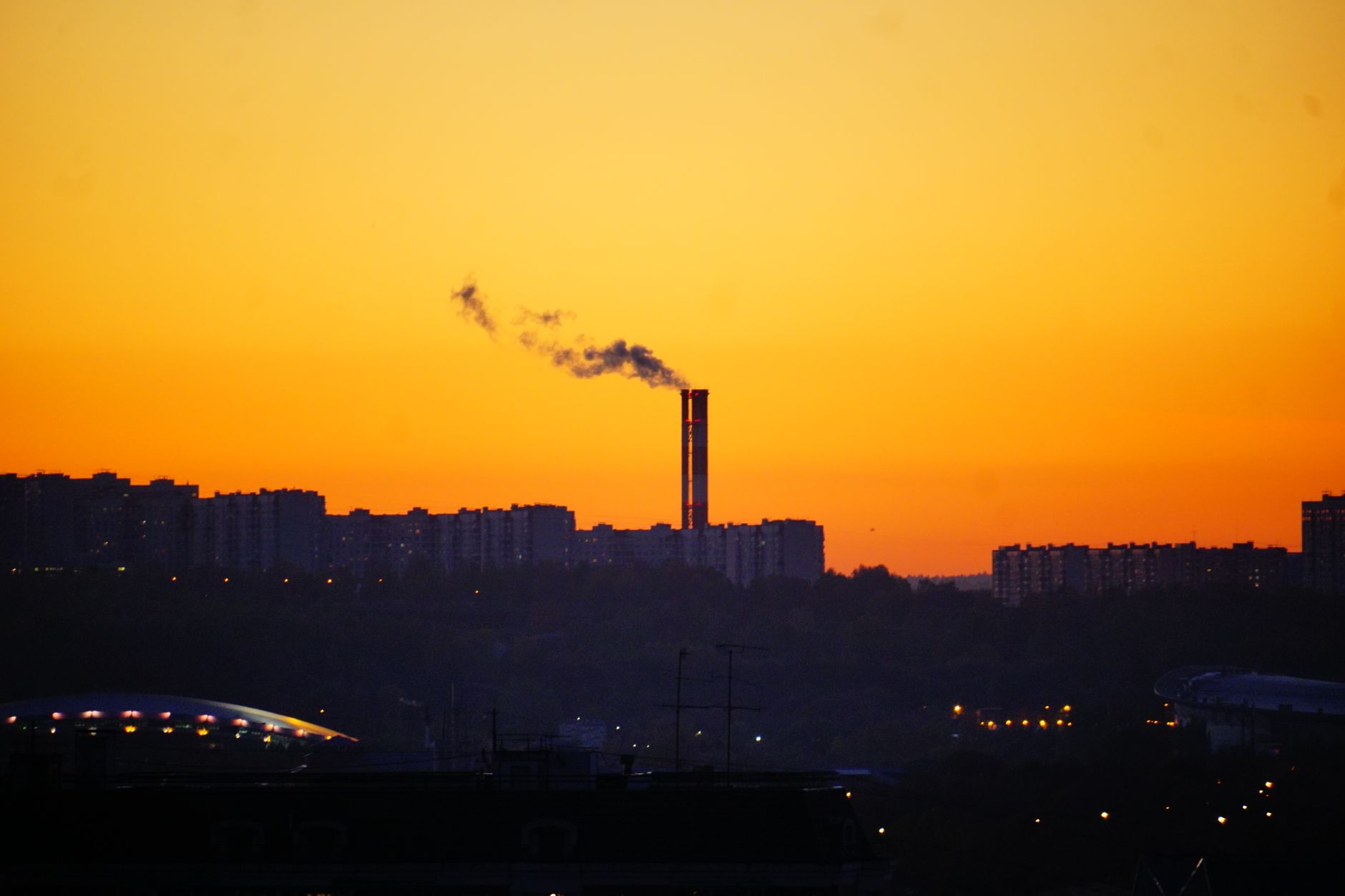
Integrating "green lungs"—strategic urban forests and permeable surfaces—serves a functional purpose beyond aesthetics. These biological filters reduce the urban heat island effect and capture particulate matter, directly lowering the burden on municipal healthcare systems. By treating air and water quality as primary indicators of public health, city planners can transition pollution control from a discretionary environmental goal to a preventive medical intervention.
Precision Monitoring and Data-Driven Governance
City-wide air quality averages often mask lethal "hotspots" where pollution concentrations remain dangerously high. A single government-grade monitoring station cannot capture the toxicity a child breathes while walking to school next to a congested intersection. Shifting toward IoT-based monitoring networks—dense meshes of low-cost sensors—allows policymakers to identify specific blocks where pollutants peak, enabling targeted interventions like Low Emission Zones (LEZs) rather than blunt, city-wide mandates.

This granular data is most effective when paired with predictive artificial intelligence. By synthesizing meteorological data, such as temperature inversions that trap pollutants, with historical traffic patterns, AI models can forecast pollution spikes 48 to 72 hours in advance. This foresight allows officials to implement temporary congestion pricing or divert heavy vehicle traffic before air quality reaches critical levels. To ensure political accountability and industry compliance, this data should be hosted on open-access dashboards, making the "social license to operate" dependent on transparent metrics.
Technological Interventions in Mobility and Industry
Decarbonizing urban mobility requires more than replacing private cars. Transitioning public transit to electric and hydrogen-powered systems offers the most immediate reduction in nitrogen oxides (NOx) and particulate matter. While battery-electric buses suit short urban loops, hydrogen fuel cell technology provides the energy density required for heavier loads and longer routes without the weight penalties of massive battery packs.
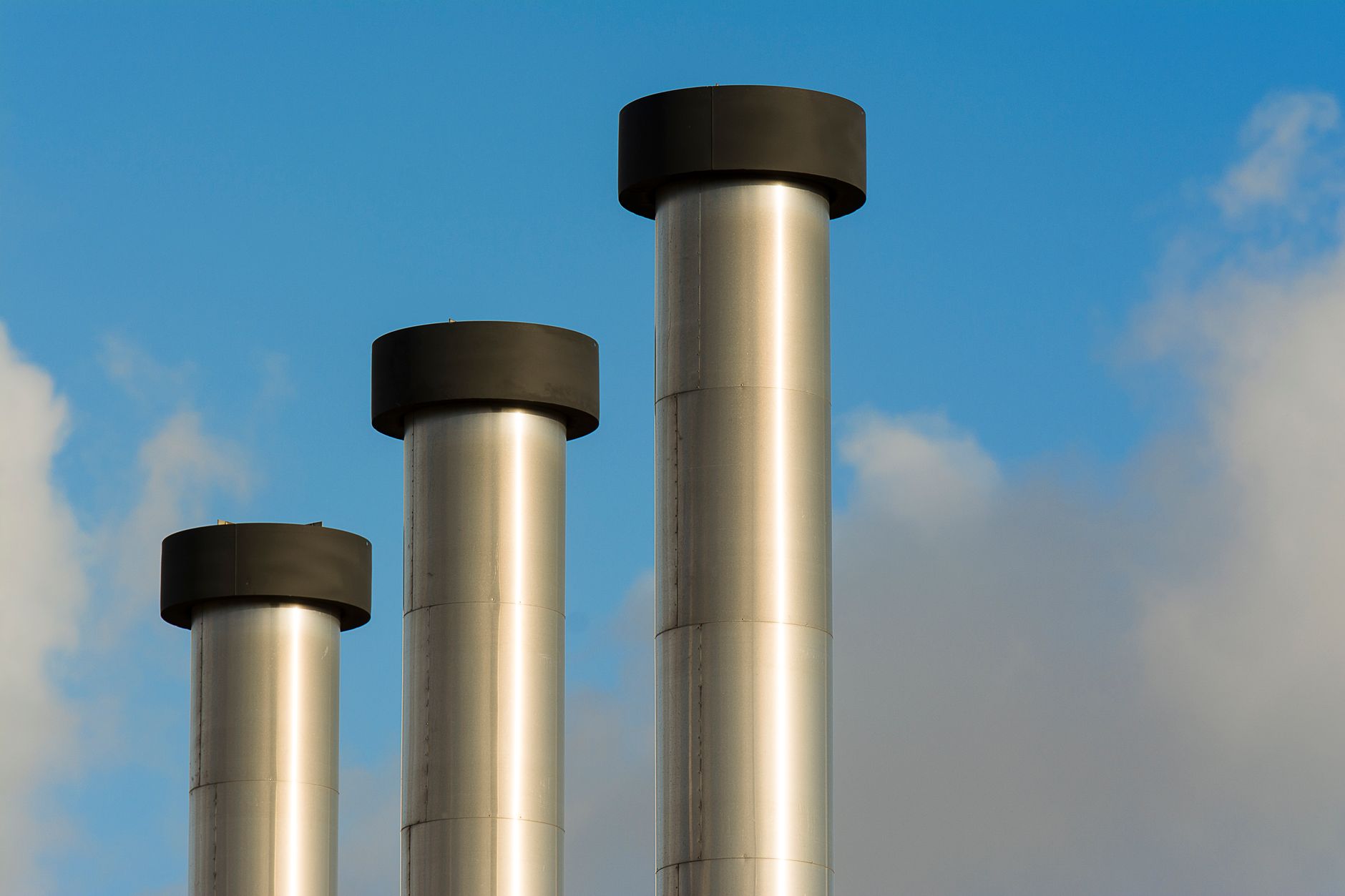
For industrial clusters fringing urban centers, the focus must be on high-efficiency capture. Advanced scrubbing technologies and electrostatic precipitators are necessary baselines to neutralize acidic gases and trap fine particulate matter. The effectiveness of these systems relies on Continuous Emission Monitoring Systems (CEMS) that feed real-time data directly to regulators, preventing the "regulatory drift" where factories only comply during scheduled inspections.
This technological shift must extend to water and waste. Legacy sewage plants often function as conduits for pollution, allowing nitrogen, phosphorus, and pharmaceuticals to flow into waterways. Upgrading to tertiary treatment, such as membrane bioreactors, is essential to prevent the eutrophication of urban lakes. Similarly, replacing impervious concrete with permeable paving allows rainwater to infiltrate the soil, utilizing natural filtration to strip hydrocarbons and heavy metals before they reach the water table.
Legislative Frameworks and Agile Regulation
Legislative failure often stems from a misalignment between the scale of the pollutant and the rigidity of the law. A tiered regulatory framework solves this by applying stringent, high-frequency monitoring to heavy industrial point-sources while utilizing incentive-based strategies for diffuse, non-point source pollution, such as residential cooking fires or road runoff. This ensures enforcement resources are focused where the atmospheric or hydrological load is heaviest.

Vertical harmony between municipal ordinances and national mandates is equally critical. City-level ambitions to reduce particulate matter are frequently undermined by national policies that subsidize fossil fuels or prioritize centralized landfills over circularity. For interventions to scale, national frameworks must provide standardized emission ceilings while granting cities the autonomy to tighten those limits based on local topography and population density.
The law must also evolve to address the "pacing problem," where technological breakthroughs outstrip legislative drafting. Because static laws become obsolete quickly, policymakers should adopt agile structures featuring "sunset clauses" or mandatory review periods, ensuring that regulations evolve based on the latest atmospheric chemistry and World Health Organization (WHO) guidelines [1].
Economic Levers and the Circular Economy
Voluntary corporate pledges rarely alter ingrained industrial behavior. To drive real change, pollution must be transformed from an invisible externality into a line item on a balance sheet. Carbon pricing and emission taxes, such as those implemented in Singapore, provide a clear price signal that justifies the capital expenditure required for decarbonization [3]. Alternatively, cap-and-trade systems, exemplified by the European Union Emissions Trading System (EU ETS), reward the most efficient actors by making it more profitable to reduce pollution than to purchase credits [2].

These penalties must be paired with incentives. Targeted subsidies, such as India’s FAME-II scheme for electric vehicles, lower the upfront cost barrier for commuters and stimulate local charging infrastructure [4]. For heavy infrastructure—such as advanced wastewater plants—Public-Private Partnerships (PPPs) funded by green bonds can attract institutional investors seeking to meet Environmental, Social, and Governance (ESG) criteria.
Central to this economic shift is Extended Producer Responsibility (EPR). By legally mandating that corporations manage the entire lifecycle of their packaging and electronics, the financial burden of waste shifts from the municipality back to the manufacturer. This internalizes the cost of waste, driving a transition toward biodegradable materials and closed-loop industrial systems where waste from one process becomes the raw material for another.
Conclusion
Cleaning our cities requires moving beyond the departmental silos where transport, health, and environment agencies operate with contradictory mandates. True urban sustainability is achieved only when transport planning is legally tethered to public health outcomes and water management is treated as a single, integrated system. The blueprint for a cleaner city is not found in a single technological breakthrough, but in the convergence of hyper-local data, agile legislation, and market instruments that make pollution an existential financial risk to the polluter.

For policymakers, the practical takeaway is clear: prioritize the establishment of a rigorous, transparent scientific baseline and implement a tiered regulatory framework that penalizes point-source emitters while incentivizing a circular economy. The goal is to transition the city from a parasite on its surrounding environment into a resilient, self-sustaining ecosystem.
References
- World Health Organization, "WHO Global Air Quality Guidelines," 2021.
- European Commission, "EU Emissions Trading System (EU ETS)," European Union.
- National Environment Agency, "Carbon Tax," Government of Singapore.
- Ministry of Heavy Industries, "Faster Adoption and Manufacturing of Hybrid and Electric Vehicles (FAME-II)," Government of India.
- Transport for London, "Congestion Charging," London.gov.uk.

Hello, I'm Noah Patel. Growing up in India shaped much of how I see the world, and after 12 years working around environment and science reporter covering climate risk, conservation, and solutions for more sustainable living., I’ve learned to write in a way that’s both thoughtful and honest.