Editor's brief
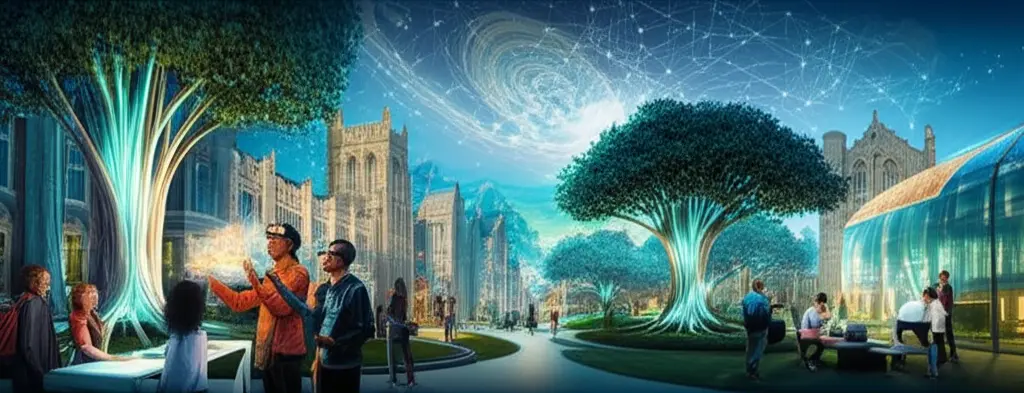
This article examines the evolving landscape of higher education, focusing on shifting demographics, curriculum innovation, educational technology, faculty roles, student success, and institutional adaptation to societal needs. It highlights challenges and opportunities for both students and institutions.
#higher education
#university trend
#academic innovation
#edtech
The landscape of higher education is in constant flux, influenced by shifting demographics, technological advancements, and evolving societal needs. For students, understanding these dynamics is crucial for making informed decisions about their academic and career paths. This article explores the key challenges and opportunities facing higher education institutions and students today, offering insights into the future of learning. The Shifting Sands of University Demographics The composition of university student bodies is becoming increasingly diverse, encompassing non-traditional students, international learners, and individuals from varied socioeconomic backgrounds [1]. This diversification necessitates inclusive pedagogical approaches that cater to different learning styles and address potential barriers. A one-size-fits-all curriculum is no longer sufficient; instructors must employ teaching methods that foster a sense of belonging for all students. Flexible learning options, culturally relevant course materials, and peer mentoring programs can significantly enhance the learning experience for this diverse cohort. Adding complexity, the traditional four-year degree faces competition from alternative educational pathways like coding bootcamps and specialized online certifications. Students are weighing the time, cost, and return on investment of a traditional degree against these focused alternatives [2]. To stay competitive, universities are incorporating practical, skil...
The landscape of higher education is in constant flux, influenced by shifting demographics, technological advancements, and evolving societal needs. For students, understanding these dynamics is crucial for making informed decisions about their academic and career paths. This article explores the key challenges and opportunities facing higher education institutions and students today, offering insights into the future of learning.
The Shifting Sands of University Demographics
The composition of university student bodies is becoming increasingly diverse, encompassing non-traditional students, international learners, and individuals from varied socioeconomic backgrounds [1]. This diversification necessitates inclusive pedagogical approaches that cater to different learning styles and address potential barriers. A one-size-fits-all curriculum is no longer sufficient; instructors must employ teaching methods that foster a sense of belonging for all students. Flexible learning options, culturally relevant course materials, and peer mentoring programs can significantly enhance the learning experience for this diverse cohort.
Adding complexity, the traditional four-year degree faces competition from alternative educational pathways like coding bootcamps and specialized online certifications. Students are weighing the time, cost, and return on investment of a traditional degree against these focused alternatives [2]. To stay competitive, universities are incorporating practical, skills-based learning, micro-credentials, and industry partnerships into their curricula, offering students a competitive edge upon graduation. For instance, a marketing student can earn a social media marketing certification alongside their bachelor's degree.
Financial pressures, including rising tuition costs and student loan debt, are also driving change, impacting enrollment rates, especially among lower-income families [3]. Universities are responding by increasing financial aid, exploring alternative funding models, and focusing on student retention strategies. Communicating the value proposition – demonstrating a clear link between tuition investment and career success – is critical. States are also pushing for lower tuition costs, reflecting the growing concern over affordability.
Furthermore, universities are experiencing a shift in student interests, with declining enrollment in humanities and a surge in demand for fields like computer science and data analytics [4]. This necessitates strategic resource allocation and program development to align with evolving job market demands. Universities must adapt their curricula, invest in emerging fields, and foster interdisciplinary collaborations to prepare students for the future workforce. For example, resources from a less popular philosophy program might be reallocated to a growing cybersecurity program.
The rise of online learning has democratized access to higher education but also presents challenges. Ensuring equitable access to technology, reliable internet connectivity, and adequate student support services is paramount. Universities must invest in robust online learning platforms, provide virtual tutoring and advising, and create opportunities for online students to connect with peers and instructors. The pandemic highlighted the digital divide and the importance of addressing accessibility issues [5].
Parallel to academic and economic shifts, there's a growing awareness of mental health concerns among students. The pressures of academic performance, social adjustment, and financial stress can take a toll [6]. Universities are investing in mental health services like counseling centers, support groups, and wellness programs. Providing accessible and comprehensive mental health support is ethically responsible and crucial for student success and retention. Campuses are increasing the number of available counselors and therapists.
Finally, universities are under increasing scrutiny to demonstrate their value proposition. Stakeholders demand greater accountability and transparency regarding student success outcomes, including graduation rates, employment rates, and postgraduate earnings [7]. Universities are implementing data-driven strategies to improve student support, enhance career services, and track student progress. Proving a return on investment is now paramount. By focusing on demonstrable student success outcomes, universities can reaffirm their value and attract students in an increasingly competitive market.
Embracing Academic Innovation in Curriculum Design
The future of higher education depends on its ability to adapt and innovate, particularly within curriculum design. Forward-thinking universities are embracing interdisciplinary approaches that foster collaboration and prepare students for the complexities of the modern world [8]. This involves breaking down traditional departmental silos and creating learning experiences that integrate knowledge and skills from multiple fields. For instance, an engineering student can work with a business and design student to develop a sustainable energy solution, broadening perspectives and equipping them with communication and collaboration skills.
The incorporation of project-based and experiential learning is becoming increasingly common, representing a departure from passive learning environments [9]. Instead of memorizing facts, students are actively applying their knowledge to real-world projects, such as developing a marketing campaign for a local business or designing an app to solve a community problem. Internships, co-ops, and study abroad programs provide hands-on experience, allowing students to test their skills, network, and gain a deeper understanding of their chosen field. A medical student participating in a clinical rotation gains first-hand experience treating patients, solidifying their understanding of medical concepts.
Adaptive learning technologies are transforming the learning experience by personalizing it to cater to individual student needs [10]. These technologies use algorithms and data analytics to identify a student's strengths and weaknesses, allowing them to progress at their own pace and focus on areas needing the most support. For example, an adaptive learning system can provide additional resources and practice problems for a student struggling with a concept in statistics.
Universities are exploring innovative assessment methods beyond traditional exams to provide a more holistic evaluation of student learning. Portfolios, presentations, and group projects allow students to demonstrate their skills in a creative and engaging way [11]. A design student might create a portfolio showcasing their best work, while a business student might give a presentation outlining their proposed marketing strategy. This diverse approach provides a more comprehensive and accurate picture of student learning.
The integration of real-world case studies into coursework bridges the gap between theory and practice, helping students apply theoretical knowledge to practical situations. By analyzing real-world scenarios, students can develop critical thinking skills and make informed decisions [12]. A marketing class might analyze the case study of a company that successfully launched a new product, or a finance class might analyze the case study of a company that faced a financial crisis.
Moreover, institutions are partnering with industry to develop curricula that align with current workforce needs and emerging technologies. This collaboration ensures that students are learning the skills and knowledge that employers are looking for [13]. A university might partner with a tech company to develop a curriculum focused on artificial intelligence, or with a healthcare organization to develop a curriculum focused on healthcare analytics.
Finally, the emphasis on critical thinking, creativity, and communication skills is increasing, recognizing their paramount importance in the future of learning. In a world that is constantly changing, these skills are essential for success in any field [14]. Universities are actively incorporating these skills into their curricula through debates, group projects, and presentations, preparing students to be well-rounded, adaptable, and successful professionals.
Education Technology: A Catalyst for Change
Education technology is reshaping how students learn, how instructors teach, and how institutions operate. No longer a peripheral tool, technology is now a central catalyst for change [15]. This section explores the transformative power of education technology and its impact on the future of higher education.
Learning Management Systems (LMS) have evolved into dynamic platforms that foster collaboration, engagement, and personalized learning experiences [16]. Think of a modern LMS as a digital campus where students can access course materials, participate in discussions, submit assignments, receive feedback, and collaborate on group projects. Features like integrated video conferencing, interactive quizzes, and personalized learning paths are becoming increasingly common. For example, a history course can utilize an LMS to allow students access to primary source documents, participate in virtual debates, and receive personalized feedback.
The integration of virtual reality (VR) and augmented reality (AR) technologies represents another significant leap forward in education [17]. These immersive technologies are transforming abstract concepts into tangible, interactive experiences. Imagine a medical student using VR to perform a simulated surgery or an architecture student exploring a virtual rendering of a building design. VR and AR are not limited to the sciences; they can be used to recreate historical events, explore different cultures, or even practice public speaking in a simulated environment.
Artificial intelligence (AI) is also playing an increasingly important role in higher education. AI-powered tools are being used to personalize learning experiences, provide automated feedback on student work, and identify students who may be struggling academically [18]. For instance, AI algorithms can analyze student performance data to identify areas where a student is struggling and provide targeted interventions. AI-powered chatbots can answer student questions, provide technical support, and even offer motivational encouragement.
The proliferation of online learning platforms is democratizing access to higher education, making it possible for students from all over the globe to pursue their academic goals. Online learning platforms offer a wider range of courses and programs than ever before, often at a lower cost and with greater flexibility than traditional on-campus programs [19]. This is particularly beneficial for students who are working, raising families, or living in remote areas.
Data analytics are providing institutions with valuable insights into student progress, identifying areas for improvement, and informing instructional design. By tracking student performance data, attendance records, and engagement metrics, institutions can gain a better understanding of what works and what doesn't [20]. This data-driven approach allows institutions to make informed decisions about curriculum development, instructional strategies, and student support services.
The ubiquitous nature of mobile devices has led to the adoption of mobile learning technologies, allowing students to learn anytime, anywhere. Mobile learning apps offer students unparalleled flexibility and convenience [21]. Students can access course materials, complete assignments, and participate in discussions on their commute, during breaks, or even while traveling.
Finally, the effective integration of technology into the classroom requires careful planning and ongoing professional development for faculty. Instructors need to be trained on how to use these tools effectively and how to integrate them into their teaching practices in a way that enhances student learning [22]. Professional development programs should focus on pedagogical strategies for using technology to promote active learning, collaboration, and critical thinking.
The Evolving Role of Faculty in the Digital Age
Faculty members are increasingly expected to be multifaceted professionals, blending subject matter expertise with the skills of a learning facilitator, mentor, and technology integrator [23]. This evolution presents both challenges and opportunities for universities and the educators who shape the next generation of thinkers and leaders.
One of the most significant shifts is the increased expectation for faculty to excel not just as subject matter experts but also as skilled facilitators of learning and dedicated mentors [24]. The traditional lecture-centric approach is giving way to more interactive and student-centered pedagogies. This means faculty must design learning experiences that actively engage students, foster critical thinking, and encourage collaborative problem-solving.
The pervasive adoption of new technologies in education necessitates that faculty adapt their teaching methods and embrace blended learning approaches [25]. This isn’t simply about using PowerPoint presentations; it's about strategically integrating technology to enhance the learning experience. This includes utilizing online learning platforms for course management, incorporating interactive simulations for hands-on learning, employing virtual reality for immersive experiences, and leveraging data analytics to personalize instruction.
Recognizing this need, universities are increasingly investing in faculty development programs designed to support the transition to online teaching and the effective use of new technologies [26]. These programs provide faculty with the necessary skills and knowledge to design engaging online courses, utilize digital tools effectively, and adapt their teaching methods to the online environment.
Furthermore, collaborative teaching models are gaining traction, allowing faculty to leverage their individual expertise and provide students with a more comprehensive and interdisciplinary learning experience [27]. This approach involves two or more faculty members co-teaching a course, each bringing their unique perspectives and skills to the table.
The role of faculty in curriculum development and innovation is also becoming increasingly important. As the needs of the workforce evolve and new fields of study emerge, universities must continuously adapt their curricula to ensure that students are prepared for the challenges and opportunities of the future [28].
Finally, faculty are still expected to engage in scholarly research and contribute to the advancement of knowledge in their respective fields. Research not only keeps faculty current in their disciplines but also informs their teaching and provides students with opportunities to participate in cutting-edge research projects [29]. Universities are recognizing the importance of providing faculty with the resources and support they need to conduct meaningful research.
Fostering Student Success Beyond the Classroom
The modern university experience is no longer solely defined by lectures, textbooks, and exams. Acknowledging the holistic needs of students, institutions are increasingly investing in comprehensive support systems designed to foster success both academically and personally [30]. This paradigm shift recognizes that a student’s well-being, career readiness, and sense of belonging are inextricably linked to their overall educational journey.
One of the most significant enhancements in student support is the expansion of accessible and personalized services. Universities are bolstering their academic advising departments, offering proactive guidance on course selection, degree planning, and navigating academic challenges [31]. Moreover, career counseling centers are evolving into comprehensive career development hubs, offering services ranging from resume and cover letter workshops to mock interviews and networking events.
Mentorship programs offer another vital avenue for fostering student success. By connecting students with experienced professionals in their fields of interest, these programs provide invaluable insights into the practical realities of the working world [32]. Mentors can offer guidance on career paths, provide feedback on student projects, and share their own experiences navigating the challenges and opportunities of their professions.
Internship and co-op programs further bridge the gap between academic learning and professional practice. These programs provide students with structured opportunities to gain real-world experience in their chosen fields, allowing them to apply their knowledge, develop valuable skills, and build their professional networks [33].
Beyond academic and career-related support, universities are also recognizing the importance of fostering a strong sense of community and belonging. Extracurricular activities and student organizations provide opportunities for students to develop leadership skills, pursue their passions, and connect with like-minded individuals [34].
Finally, providing opportunities for students to engage in research and scholarly activities is crucial for developing critical thinking and problem-solving skills. Universities are encouraging undergraduate research by providing funding for student research projects, offering research opportunities with faculty members, and hosting undergraduate research conferences [35].
University Trends: Responding to Societal Needs
Higher education is no longer solely about acquiring knowledge; it's about preparing students to navigate a rapidly changing world. Universities are evolving to meet the demands of a dynamic job market and address pressing global challenges, ensuring graduates possess the skills and knowledge necessary to thrive in their careers and contribute meaningfully to society [36].
One of the most significant shifts is the increasing importance of data science and analytics. In virtually every industry, the ability to collect, analyze, and interpret data is becoming essential [37]. Recognizing this demand, universities are developing new programs and courses focused on data science, business analytics, and related fields.
Beyond technical skills, universities are also placing a greater emphasis on sustainability and social responsibility. This reflects a growing awareness of the environmental and social challenges facing the world, as well as a desire to educate future leaders who are committed to creating a more sustainable and equitable future [38].
Furthermore, the traditional model of higher education, focused on a four-year degree, is expanding to embrace lifelong learning. Recognizing that knowledge and skills become outdated quickly in today's rapidly evolving world, universities are offering a wider range of continuing education programs, micro-credentials, and online courses designed to help professionals stay current in their fields [39].
In addition to adapting to domestic needs, universities are also prioritizing global engagement and international collaborations. This reflects the increasingly interconnected nature of the world and the need to prepare students to work effectively in diverse, multicultural environments [40]. Universities are establishing partnerships with institutions around the world, offering study abroad programs, exchange opportunities, and joint research projects.
Finally, universities are increasingly fostering entrepreneurship and innovation. Recognizing that innovation is a key driver of economic growth and social progress, institutions are supporting students in launching their own businesses and developing innovative solutions to pressing problems [41]. Universities are providing access to mentorship, funding, and resources to help student entrepreneurs succeed.
In conclusion, the evolving landscape of higher education presents both challenges and opportunities. By embracing innovation, adapting to changing demographics, prioritizing student success, and responding to societal needs, universities can prepare students for a rapidly changing world. For students, it's crucial to be proactive, seeking out opportunities for experiential learning, developing critical thinking skills, and embracing lifelong learning to thrive in their academic and professional journeys. Higher education institutions must provide more data on student outcomes and institutional performance [42]. By recognizing and adapting to these ongoing trends, higher education can equip graduates with the skills and knowledge necessary to thrive in their careers and contribute to a better future.
References
-
Hossler, D., Shapiro, D., & Dundar, A. (2012). College access: Opportunity or privilege?. SUNY Press.
-
Carey, K. (2015). The end of college: Why it must be stopped. Riverhead Books.
-
Baum, S., Ma, J., & Payea, J. (2013). Trends in student aid. College Board.
-
Hart Research Associates. (2013). It takes more than a major: Employer priorities for college learning and student success. Association of American Colleges and Universities.
-
Hodges, C. B., Moore, S., Lockee, B. B., Trust, T., & Bond, M. A. (2020). The difference between emergency remote teaching and online learning. EDUCAUSE Review, 27.
-
Eisenberg, D., Hunt, J., & Speer, N. (2011). Mental health on US college campuses: Variation across institution type and across student subpopulations. The Journal of Higher Education, 82(6), 705-729.
-
Bok, D. (2003). Universities in the marketplace: The commercialization of higher education. Princeton University Press.
-
Klein, J. T. (1996). Crossing boundaries: Knowledge, disciplinarities, and interdisciplinary studies. University Press of Virginia.
-
Kolb, D. A. (2014). Experiential learning: Experience as the source of learning and development. FT press.
-
Hwang, G. J., & Chen, D. T. (2022). Applications of artificial intelligence in education. Computers and Education: Artificial Intelligence, 3, 100075.
-
Wiggins, G., & McTighe, J. (2005). Understanding by design. Ascd.
-
Christensen, C. M., Garvin, D. A., & Sweet, A. (1991). Education for judgment: The art of case teaching. Harvard Business School Press.
-
Lester, R. K., & Sotoudeh, M. (2020). Industry-university collaboration to support workforce development. MIT industrial liaison program.
-
Wagner, T. (2012). Creating innovators: The making of young people who will change the world. Simon and Schuster.
-
Johnson, L., Adams Becker, S., Estrada, V., & Freeman, A. (2015). NMC horizon report: 2015 higher education edition. The New Media Consortium.
-
Coates, H., James, R., & Baldwin, G. (2005). A critical examination of the effects of learning management systems on university teaching and learning. Tertiary Education and Management, 11(1), 19-36.
-
Radianti, J., Majchrzak, T. A., Fromm, J., & Wohlgenannt, I. (2020). A systematic review of immersive virtual reality applications for higher education: Design elements, lessons learned, and research agenda. Virtual Reality, 24(1), 101-123.
-
Holmes, W., Bialik, M., & Fadel, C. (2019). Artificial intelligence in education: Promises and implications for teaching and learning. Center for Curriculum Redesign.
-
Allen, I. E., & Seaman, J. (2017). Digital learning compass: Distance education enrollment report 2017. Babson Survey Research Group.
-
Bienkowski, M., Feng, M., & Means, B. (2012). Enhancing teaching and learning through educational data mining and learning analytics: An issue brief. US Department of Education, Office of Educational Technology.
-
Kearney, M., Schuck, S., Burden, K., & Aubusson, P. (2012). Viewing mobile learning from a pedagogical perspective. Research in Learning Technology, 20.
-
Ertmer, P. A., & Ottenbreit-Leftwich, A. T. (2010). Teacher technology change: How knowledge, beliefs, and attitudes intersect. Journal of Research on Technology in Education, 42(3), 255-284.
-
Barr, R. B., & Tagg, J. (1995). From teaching to learning—A new paradigm for undergraduate education. Change: The Magazine of Higher Learning, 27(6), 12-26.
-
Schönwetter, D. J., Taylor, L., Ellis, D., & Boyer, P. (2002). Reflective teaching practices in higher education: A model for development. Reflective Practice, 3(2), 157-175.
-
Bonk, C. J., & Graham, C. R. (2012). The handbook of blended learning: Global perspectives, local designs. John Wiley & Sons.
-
Guskey, T. R. (2002). Professional development and teacher change. Teachers and Teaching: theory and practice, 8(3-4), 381-391.
-
Hativa, N., & Goodyear, P. (2001). Teacher thinking, beliefs and knowledge in higher education. Springer Science & Business Media.
-
Diamond, R. M. (2002). Designing and assessing courses and curricula: A practical guide. Jossey-Bass.
-
Boyer, E. L. (1990). Scholarship reconsidered: Priorities of the professoriate. Carnegie Foundation for the Advancement of Teaching.
-
Astin, A. W. (1984). Student involvement: A developmental theory for higher education. Journal of College Student Personnel, 25(4), 297-308.
-
Light, R. J. (2001). Making the most of college: Students speak their minds. Harvard University Press.
-
Jacobi, M. (1991). Mentoring and undergraduate academic success: A literature review. Review of Educational Research, 61(4), 505-532.
-
Knouse, S. B., Tanner, J. R., & Harris, E. W. (1999). The relation of college internships, college performance, and subsequent employment success. Journal of Employment Counseling, 36(1), 23-29.
-
Pascarella, E. T., & Terenzini, P. T. (2005). How college affects students: A third decade of research. Jossey-Bass.
-
Ishiyama, J. T. (2002). Does early research experience pay off later? Assessing the impact of undergraduate research on graduate school participation and career attainment. Research in Higher Education, 43(4), 483-501.
-
Altbach, P. G., Reisberg, L., & Rumbley, L. E. (2009). Trends in global higher education: Tracking an academic revolution. UNESCO.
-
Manyika, J., Chui, M., Brown, B., Bughin, J., Dobbs, R., Roxburgh, C., & Byers, A. H. (2011). Big data: The next frontier for innovation, competition, and productivity. McKinsey Global Institute.
-
Cortese, A. D. (2003). The critical role of higher education in creating a sustainable future. Planning for Higher Education, 31(3), 15-22.
-
Delors, J. (1996). Learning: The treasure within. Report to UNESCO of the International Commission on Education for the Twenty-first Century.
-
Knight, J. (2004). Internationalization remodeled: Definition, approaches, and rationales. Journal of Studies in International Education, 8(1), 5-31.
-
Shane, S. (2003). A general theory of entrepreneurship: The individual-opportunity nexus. Edward Elgar Publishing.
-
National Center for Education Statistics. (2023). Digest of Education Statistics. View source

Hi, I’m Samuel Wanjiku, a writer from Kenya. With more than 14 years of exploring education and learning strategist focused on digital tools, pedagogy, and practical self-development for students and professionals., I’ve learned to blend personal insight with clear, practical storytelling inspired by my background in Education Technology.