Editor's brief
This guide provides a detailed overview of the Army Combat Fitness Test (ACFT), including event breakdowns, training strategies, and the importance of strength, endurance, and proper technique for young adults seeking military success.
#acft
#fitness training
#military readiness
Introduction The Army Combat Fitness Test (ACFT) is a comprehensive assessment of a soldier's physical capabilities, designed to reflect the demands of modern combat scenarios. This article provides a detailed guide to understanding the ACFT, including its events, scoring, and preparation strategies, tailored for young adults aspiring to excel in military service. Understanding the ACFT: An Overview The Army Combat Fitness Test (ACFT) is a comprehensive evaluation of a soldier's physical prowess, meticulously designed to mirror the rigorous demands of contemporary combat scenarios [1]. Stepping away from the confines of its predecessor, the Army Physical Fitness Test (APFT), the ACFT heralds a significant evolution in how the Army assesses physical readiness, placing a greater emphasis on a holistic assessment of strength, endurance, and, crucially, mobility. The rationale behind this shift is deeply rooted in the evolving nature of warfare. Today's soldiers are not merely required to run long distances or perform high repetitions of push-ups; they must be capable of lifting heavy objects, dragging incapacitated comrades to safety, and maneuvering through complex terrains – all while maintaining peak physical condition. The ACFT aims to simulate these real-world operational demands, providing a far more accurate reflection of a soldier's ability to perform their duties effectively in the field. One of the most pivotal departures from the APFT lies in the ACFT’s commitment to...
Introduction
The Army Combat Fitness Test (ACFT) is a comprehensive assessment of a soldier's physical capabilities, designed to reflect the demands of modern combat scenarios. This article provides a detailed guide to understanding the ACFT, including its events, scoring, and preparation strategies, tailored for young adults aspiring to excel in military service.
Understanding the ACFT: An Overview
The Army Combat Fitness Test (ACFT) is a comprehensive evaluation of a soldier's physical prowess, meticulously designed to mirror the rigorous demands of contemporary combat scenarios [1]. Stepping away from the confines of its predecessor, the Army Physical Fitness Test (APFT), the ACFT heralds a significant evolution in how the Army assesses physical readiness, placing a greater emphasis on a holistic assessment of strength, endurance, and, crucially, mobility. The rationale behind this shift is deeply rooted in the evolving nature of warfare. Today's soldiers are not merely required to run long distances or perform high repetitions of push-ups; they must be capable of lifting heavy objects, dragging incapacitated comrades to safety, and maneuvering through complex terrains – all while maintaining peak physical condition. The ACFT aims to simulate these real-world operational demands, providing a far more accurate reflection of a soldier's ability to perform their duties effectively in the field.
One of the most pivotal departures from the APFT lies in the ACFT’s commitment to fairness and inclusivity. Unlike the APFT, which utilized different standards based on age and gender, the ACFT adopts a gender-neutral and age-neutral approach [2]. This means that all soldiers, regardless of their demographic background, are evaluated against the same performance standards. While the scoring is standardized, it's crucial to understand that the intent isn't to diminish the importance of physical fitness for any particular group, but rather to establish a baseline of combat readiness that applies uniformly across the force. This shift acknowledges that the demands of combat are equally challenging for all soldiers, regardless of their age or gender. The minimum standards ensure that every soldier possesses the fundamental physical capabilities necessary to contribute effectively to their unit.
The stakes associated with the ACFT are undeniably high. Success in the ACFT is not merely a matter of personal pride; it’s a critical factor in a soldier's career progression. Meeting or exceeding the standards set by the ACFT demonstrates a soldier's commitment to maintaining peak physical condition, a quality highly valued within the Army. Performance on the ACFT can influence promotions, assignments, and opportunities for specialized training. Conversely, consistently failing to meet the minimum standards can have significant negative consequences for a soldier's career. Therefore, viewing the ACFT as a pivotal component of one's military career is crucial.
Given the comprehensive nature of the ACFT and its significant impact on a soldier's career, proper preparation is not just recommended – it's absolutely essential. This preparation goes far beyond simply increasing the number of push-ups or sit-ups one can perform. A dedicated strength training regimen, tailored to the specific events of the ACFT, is paramount. This includes exercises that target core strength, explosive power, and muscular endurance. For example, incorporating exercises like deadlifts, squats, and overhead presses will build the raw strength needed for events like the deadlift and standing power throw. Furthermore, focusing on functional movements that mimic the actions required in the ACFT, such as medicine ball throws and sled drags, will improve performance and reduce the risk of injury. Remember, a well-rounded training program that incorporates both strength training and cardiovascular conditioning will provide you with the best chance of excelling in the ACFT and demonstrating your readiness for the challenges of military service. Moreover, the mental aspect of preparation should not be overlooked. Developing mental fortitude and the ability to push through discomfort are crucial for maximizing performance during the test. Visualization techniques and positive self-talk can be valuable tools in building the mental resilience needed to succeed.
The Six ACFT Events: A Detailed Breakdown
The Army Combat Fitness Test (ACFT) stands as the new standard for assessing the physical readiness of soldiers, moving beyond traditional measures to evaluate functional fitness relevant to combat tasks. A significant departure from its predecessor, the ACFT comprises six distinct events, each designed to challenge different aspects of physical prowess: the Maximum Deadlift, Standing Power Throw, Hand-Release Push-ups, Sprint-Drag-Carry, Leg Tuck, and Two-Mile Run [3]. Understanding the nuances of each event is crucial, not just for passing the test, but for cultivating well-rounded physical capabilities that enhance overall performance and resilience in demanding operational environments. These events collectively paint a comprehensive picture of a soldier's strength, power, endurance, and agility.
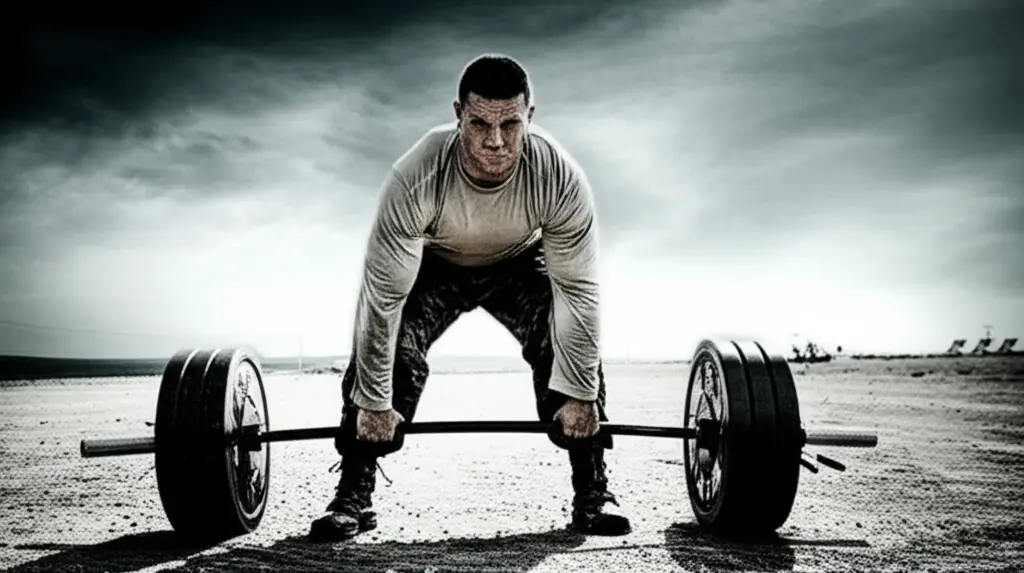
The Maximum Deadlift event directly assesses lower body strength, a critical component for lifting heavy equipment, moving casualties, and performing various load-bearing tasks on the battlefield. Soldiers are required to lift a weighted barbell from the ground, demonstrating their ability to safely and effectively handle significant loads. The weight starts relatively low, and soldiers progressively increase the weight with each successful lift, aiming to achieve their maximum single repetition. It's not just about brute strength; proper form and technique are paramount to prevent injuries. Practicing deadlifts regularly, focusing on maintaining a straight back, engaging the core, and using the legs to power the lift, is essential for success. This event translates directly to real-world scenarios where soldiers need to lift heavy ammunition boxes, breaching tools, or assist injured comrades. Grip strength is also a significant factor in this event, highlighting the importance of exercises like farmer's carries and pull-up bar hangs to improve grip endurance.
Moving from static strength to dynamic power, the Standing Power Throw assesses upper body power and coordination. This event requires soldiers to throw a 10-pound medicine ball backwards and overhead for maximum distance. It’s a full-body movement that engages the core, back, shoulders, and arms, demanding explosive power and precise coordination. The standing power throw isn’t just about raw strength; technique plays a crucial role. Soldiers need to practice generating power from their legs and core, transferring that energy through their upper body to maximize the distance of the throw. Think of it as simulating the motion of throwing a grenade or rapidly moving heavy objects – tasks commonly encountered in combat situations. Training for this event should include exercises like medicine ball slams, plyometric jumps, and rotational core work to enhance both power and coordination.
Hand-Release Push-ups, the third event, measures muscular endurance in the chest, shoulders, and triceps, going beyond the standard push-up by adding a full release of the hands from the ground at the bottom of each repetition. This ensures a full range of motion and eliminates any cheating by maintaining constant tension. Soldiers must lower their bodies until their chest touches the ground, lift their hands completely off the ground, and then press back up to the starting position. This event emphasizes sustained effort and consistent technique. To excel in this event, focus on building a solid foundation of push-up strength through progressive overload, gradually increasing the number of repetitions over time. Incorporating variations like incline push-ups and decline push-ups can also help target different muscle groups and improve overall push-up performance. This event simulates the repetitive pushing movements required in various combat tasks, such as clearing obstacles or maneuvering in confined spaces.
The Sprint-Drag-Carry event is a grueling test of anaerobic endurance and functional strength. This event consists of a series of sprints, a backward drag of a 90-pound sled, and carries of two 40-pound kettlebells. The sequence demands bursts of speed, sustained pulling power, and the ability to maintain strength and coordination under fatigue. This event directly reflects the physical demands of moving quickly across the battlefield while carrying essential equipment or assisting injured personnel. Training for the Sprint-Drag-Carry requires a combination of sprint training, strength training, and conditioning exercises that mimic the specific demands of the event. Focus on building leg strength with exercises like squats and lunges, improving pulling power with exercises like rows and pull-ups, and enhancing cardiovascular endurance with interval training.
The Leg Tuck assesses core strength and upper body endurance, requiring soldiers to hang from a pull-up bar and repeatedly raise their knees to their elbows. It is a test of relative strength, requiring a soldier to lift their own body weight repeatedly using their core and upper body. This event directly translates to tasks that require upper body strength and core stability, such as climbing over obstacles or pulling oneself up onto structures. To improve performance in the Leg Tuck, soldiers should focus on building core strength with exercises like planks, Russian twists, and hanging leg raises. Simultaneously, enhancing upper body endurance through pull-up variations and grip strength exercises will contribute to overall success.
Finally, the Two-Mile Run measures aerobic endurance and cardiovascular fitness, a fundamental requirement for sustained performance in any operational environment. This event tests the soldier's ability to maintain a consistent pace over a longer distance, reflecting the demands of patrolling, marching, and engaging in sustained combat operations. Effective training for the Two-Mile Run involves a combination of long-distance runs, interval training, and tempo runs to improve cardiovascular fitness and running efficiency. Paying attention to pacing strategies, proper breathing techniques, and injury prevention is crucial for maximizing performance and minimizing the risk of setbacks. This event, perhaps more than any other, emphasizes the importance of consistent training and a commitment to maintaining a high level of physical fitness.
Mastering the Deadlift and Standing Power Throw
The Army Combat Fitness Test (ACFT) presents a significant challenge to prospective soldiers, evaluating not just cardiovascular endurance, but also raw strength and explosive power. Two events that heavily rely on these physical attributes are the Maximum Deadlift (MDL) and the Standing Power Throw (SPT). Success in these events requires a combination of proper technique, dedicated training, and a solid understanding of the biomechanics involved. This section delves into the intricacies of these two demanding tests, offering insights into technique, effective training strategies, and the vital role of strength training programs.
The Maximum Deadlift, the first event in the ACFT, is a test of pure strength, assessing the soldier’s ability to lift a significant load from the ground. Crucially, achieving a high score while preventing injury hinges on impeccable form. The key is maintaining a straight back throughout the lift [4]. Visualize a perfectly straight line from your head to your tailbone; this alignment must be preserved. Avoid rounding the back, as this puts undue stress on the lumbar spine, significantly increasing the risk of injury. Think of it like building a bridge – a straight bridge can bear a heavy load, but a bridge with a sag in the middle is prone to collapse. Similarly, a straight back provides a stable and strong foundation for lifting. The movement should be controlled, both during the ascent and descent of the weight. Jerky, uncontrolled movements are a recipe for disaster. Imagine lowering a delicate vase – you wouldn't just drop it, you'd carefully guide it down. The same principle applies to the deadlift. Maintain control to protect your muscles and joints.
Effective deadlift technique isn't just about keeping your back straight; it's about engaging the right muscles to execute the lift. Your core muscles – the muscles in your abdomen and lower back – act as a natural weightlifting belt, providing stability and support to your spine. Consciously engage these muscles before initiating the lift. Beyond the core, the legs are the primary drivers of the movement. Think of pushing the ground away with your feet, rather than pulling the weight up with your back. Squat down to the bar, grip it firmly, and then drive through your heels, using your leg muscles to initiate the lift. This minimizes strain on the back, ensuring a safer and more efficient lift. Practicing with lighter weights and focusing on mastering these fundamental techniques is far more beneficial than attempting to lift heavy weights with poor form. Remember, quality over quantity is paramount in the deadlift.
Moving from static strength to explosive power, the Standing Power Throw (SPT) measures a soldier's ability to generate power and translate it into a projectile launch. The SPT involves throwing a 10-pound medicine ball backward and overhead for distance. Success in this event relies on generating power from the ground up, starting with the legs and core. Think of it as a coiled spring – you need to build up potential energy before releasing it. The legs initiate the movement, providing the initial thrust. The core then transfers that power to the upper body, allowing you to hurl the ball with maximum force. Practicing the correct throwing motion is also crucial. The ball should be thrown backward and overhead, using a full range of motion to maximize distance.
To improve performance in both the MDL and SPT, incorporating specific drills into your training regimen is essential. Squats are fundamental for building lower body strength, directly translating to increased power in both events. Cleans, a more complex Olympic lift, develop explosive power and coordination, enhancing your ability to generate force quickly. Rows strengthen the back muscles, crucial for maintaining proper posture and stability during the deadlift. These drills not only improve your physical capabilities but also enhance your body awareness and control.
Furthermore, a well-structured strength training program focused on compound exercises is highly beneficial. Compound exercises, such as squats, deadlifts, bench presses, and overhead presses, work multiple muscle groups simultaneously, promoting overall strength and muscle growth. These exercises mimic the movements required in the ACFT, preparing your body for the demands of the test. A balanced program that includes both strength and conditioning exercises will optimize your performance and reduce the risk of injury.
Finally, remember the principle of specificity. While general strength training is beneficial, practicing the specific movements of the MDL and SPT is crucial for developing proficiency. Regularly performing these exercises, focusing on proper technique and progressively increasing the intensity, will significantly improve your performance on the ACFT. Just as a musician practices scales and chords to master their instrument, you must practice the movements of the MDL and SPT to master these events. Consistent practice, combined with a well-rounded training program, will equip you with the strength, power, and technique necessary to excel in these challenging events and achieve your goals on the ACFT.
Excelling in Push-ups, Sprint-Drag-Carry, and Leg Tucks
Three events within the Army Combat Fitness Test (ACFT) – the Hand-Release Push-ups, the Sprint-Drag-Carry (SDC), and the Leg Tucks – demand specific physical attributes and targeted training strategies. Excelling in these requires not just raw strength, but also endurance, technique, and a strategic approach to pacing and execution. Let's break down each event and explore how you can optimize your performance.
The Hand-Release Push-up isn't your typical push-up; it emphasizes a full range of motion and demands consistent, proper technique. The critical component here is the controlled descent, touching your chest to the ground, lifting both hands momentarily, and then pushing back up. Maintaining a straight body line from head to heels throughout each repetition is paramount. Avoid sagging at the hips or arching your back, as this can lead to injury and inefficient energy expenditure. Focus on engaging your core muscles to maintain stability. To improve your performance, incorporate regular push-up practice into your training regimen, focusing on proper form over sheer volume. Consider varying your hand placement – wider for chest emphasis, narrower for tricep focus – to build a more well-rounded pushing strength. Furthermore, incorporate accessory exercises like chest presses, dumbbell flyes, and tricep extensions to address specific muscle groups contributing to push-up performance. Remember, consistency is key; even short, frequent training sessions can yield significant improvements over time. Practicing with a partner who can provide feedback on your form is also invaluable. They can ensure you are achieving the full range of motion and maintaining that crucial straight body line. Don't underestimate the importance of rest and recovery; allow your muscles adequate time to repair and rebuild between training sessions.
The Sprint-Drag-Carry (SDC) is a brutal test of speed, strength, agility, and anaerobic endurance. This event simulates battlefield tasks, requiring you to sprint, drag a weighted sled backward, laterally shuffle, carry kettlebells, and sprint again [5]. The key to success lies in the smooth transitions between each component. Practice these transitions repeatedly to minimize wasted time and energy. For example, efficient sled dragging involves maintaining a low center of gravity and using your legs, not your back, to generate power. The lateral shuffle requires quick footwork and a stable core to maintain balance. The kettlebell carry demands a firm grip and proper posture to avoid fatigue. Proper pacing is also crucial. Many candidates start too strong, burning out before they reach the final sprint. Divide the course into manageable segments and regulate your effort accordingly. Focus on maintaining a consistent pace throughout the drag, shuffle, and carry, saving your energy for a final burst of speed at the end. Incorporate interval training into your workout routine to improve your anaerobic capacity and prepare your body for the demands of the SDC. Practice sprints with varying distances and incorporate exercises like sled drags, farmer's walks (simulating the kettlebell carry), and lateral agility drills (using cones or a ladder). Don't forget to simulate the full course during your training runs to get a feel for the transitions and overall energy expenditure.
The Leg Tucks event targets core stability and grip strength, requiring you to perform hanging leg raises while maintaining a stable body position. This isn't just about pulling your knees to your chest; it's about controlling your body and preventing excessive swinging. Consistent practice is essential for improving both strength and endurance in this event. Start by focusing on developing a strong grip. Use chalk to enhance your grip and practice hanging from a pull-up bar for extended periods. Progress to controlled leg raises, focusing on engaging your core muscles to lift your knees towards your chest while minimizing swinging. As you gain strength, try to increase the number of repetitions you can perform consecutively. Incorporating exercises like planks (various types), pull-ups, and rows will directly translate to improved Leg Tuck performance. Planks strengthen your core, providing the stability needed to control your body during the exercise. Pull-ups and rows build upper body strength, which is essential for maintaining a secure grip. Consider adding weighted leg raises or hanging knee raises with a medicine ball to further challenge your core and build strength. Remember to focus on controlled movements throughout each repetition to maximize the benefits of the exercise and prevent injury.
Ultimately, excelling in these three ACFT events requires a holistic approach to training. Strength training focused on functional movements will benefit all three events. Functional movements mimic real-life activities, engaging multiple muscle groups simultaneously and improving overall strength and coordination. Examples include squats, deadlifts, lunges, push-ups, and rows. By incorporating these exercises into your training regimen, you'll not only build strength but also improve your overall fitness and prepare your body for the demands of the ACFT. Remember that consistency, proper technique, and a strategic approach to pacing and execution are the keys to success.
Optimizing Your Two-Mile Run Performance
The Two-Mile Run in the Army Combat Fitness Test (ACFT) is a crucial event that assesses your cardiovascular endurance and overall stamina. It’s not just about running; it's about strategically executing a plan to achieve your best possible time. Understanding and implementing a smart pacing strategy is absolutely essential if you aim to maximize your performance and achieve a competitive score. Simply sprinting from the starting line will likely lead to premature fatigue and a significantly slower finishing time. Instead, think of the Two-Mile Run as a carefully calculated effort, dividing the distance into manageable segments and adjusting your speed accordingly. A common approach is to start slightly slower than your target pace, gradually building up to it, and then maintaining that pace as consistently as possible throughout the majority of the run. In the final quarter mile, you can unleash your remaining energy for a final surge. Experiment during your training runs to find a pacing strategy that suits your individual fitness level and running style. This proactive approach will enable you to avoid 'hitting the wall' and maintain a strong, consistent performance.
To effectively improve your running speed and endurance, incorporating interval training and tempo runs into your training regimen is highly recommended. Interval training involves alternating between high-intensity bursts of running and periods of rest or low-intensity jogging. For example, you might sprint for 400 meters at a near-maximum effort, followed by a 200-meter jog to recover, and then repeat this cycle several times. This type of training improves your body's ability to utilize oxygen efficiently and enhances your anaerobic capacity. Tempo runs, on the other hand, involve running at a comfortably hard pace for a sustained period, typically 20-40 minutes. This helps to raise your lactate threshold, which is the point at which lactic acid begins to accumulate in your muscles, causing fatigue. By raising your lactate threshold, you'll be able to run at a faster pace for a longer period before feeling the burn. By strategically integrating these training methods into your weekly routine, you'll develop the necessary speed and stamina to excel in the Two-Mile Run.
Consistent training and meticulous monitoring of your pace are indispensable for dialing in the optimal effort required for a better time. It's not enough to just run; you need to track your progress and make adjustments to your training plan as needed. Use a GPS watch or a running app to monitor your pace, distance, and heart rate during your training runs. Keep a training log to record your workouts, noting how you felt, what your pace was, and any challenges you encountered. Over time, you'll begin to develop a strong sense of your own body and what pace you can sustain comfortably for the duration of the Two-Mile Run. This awareness will enable you to avoid starting too fast or too slow, and to make adjustments on the fly as needed. Remember, consistency is key. Aim to run regularly, even on days when you don't feel like it, and gradually increase your mileage and intensity over time.
Furthermore, focusing on proper running form can significantly minimize fatigue and improve your efficiency. Many runners waste energy by using inefficient movements, such as overstriding, slouching, or swinging their arms excessively. Pay attention to your posture, keeping your back straight and your shoulders relaxed. Land midfoot, rather than on your heel, to reduce impact and improve your stride efficiency. Keep your arms bent at a 90-degree angle and swing them forward and back, not across your body. A shorter, quicker stride is generally more efficient than a long, bounding stride. Consider having a coach or experienced runner evaluate your form and provide feedback. Even small adjustments to your technique can make a big difference in your overall performance and reduce the risk of injuries.
Don't overlook the benefits of incorporating a strength training plan to improve lower body strength. Strong leg muscles are essential for running efficiently and powerfully. Focus on exercises that target your quads, hamstrings, glutes, and calves, such as squats, lunges, deadlifts, and calf raises. These exercises will not only improve your running speed and endurance but also help to prevent injuries. Aim to strength train 2-3 times per week, allowing for adequate recovery time between sessions. Remember, a well-rounded fitness plan that includes both running and strength training is the most effective way to prepare for the ACFT.
Finally, remember to listen to your body and take rest days when needed to prevent overtraining. Overtraining can lead to fatigue, injuries, and decreased performance. Pay attention to your body's signals, such as muscle soreness, fatigue, and decreased motivation. If you're feeling run down, take a day or two off from running to allow your body to recover. Prioritize sleep, aiming for at least 7-8 hours per night, and eat a balanced diet to fuel your workouts and support recovery. Incorporating active recovery days, such as light stretching or yoga, can also help to reduce muscle soreness and improve flexibility. By prioritizing rest and recovery, you'll be able to train consistently and avoid the pitfalls of overtraining.
Strategic ACFT Preparation: A Comprehensive Approach
The Army Combat Fitness Test (ACFT) isn't just another physical fitness assessment; it's a comprehensive evaluation of a soldier's physical readiness for the demands of modern warfare [6]. Therefore, effective ACFT preparation demands a strategic, holistic approach that goes beyond simply running and doing push-ups. It requires a well-structured plan that integrates strength training, cardiovascular conditioning, and, crucially, event-specific practice to ensure optimal performance. Neglecting any of these key components can significantly hinder your score and overall preparedness.
The foundation of any successful ACFT training program is a structured training plan that progressively increases the intensity and volume of your workouts. This principle, known as progressive overload, is essential for building strength, endurance, and resilience. Don't jump into high-intensity workouts immediately. Instead, start with a manageable baseline and gradually increase the weight you lift, the distance you run, or the number of repetitions you perform each week. This approach minimizes the risk of injury and allows your body to adapt to the increasing demands. For example, if you're starting with a deadlift, begin with a weight that allows you to comfortably perform 3 sets of 8 repetitions with good form. Each week, you can either increase the weight slightly or add a repetition to each set. Tracking your progress is vital to ensure that you’re consistently moving forward.
To build the raw power necessary for events like the deadlift, standing power throw, and sprint-drag-carry, prioritize compound exercises like squats, deadlifts, bench presses, and overhead presses. These exercises engage multiple muscle groups simultaneously, making them highly effective for building overall strength and functional fitness. They mimic the movements required in the ACFT and translate directly to improved performance. Forget isolation exercises like bicep curls in the initial stages. Focus on mastering the proper form for these fundamental movements, even if it means starting with lighter weights. Proper form is paramount to prevent injuries and maximize the effectiveness of each exercise. Consider filming yourself performing these exercises and comparing your form to instructional videos to identify areas for improvement.
While strength is crucial, cardiovascular fitness is equally important for events like the sprint-drag-carry and the two-mile run. Incorporate interval training and tempo runs into your routine to improve your cardiovascular capacity and endurance. Interval training involves alternating between high-intensity bursts and periods of rest or low-intensity activity. For example, you could sprint for 30 seconds, followed by a minute of jogging, and repeat this cycle for 20-30 minutes. Tempo runs involve running at a comfortably hard pace for a sustained period, typically 20-40 minutes. These types of training not only boost your cardiovascular fitness but also improve your body's ability to recover quickly, which is essential for enduring the demands of the ACFT.
Merely being strong and having good cardio isn't enough. You must practice the ACFT events regularly to familiarize yourself with the specific movements, pacing strategies, and overall demands of the test. This event-specific practice allows you to refine your technique, identify your weaknesses, and develop strategies for maximizing your score on each event. For example, practice the standing power throw to find the optimal angle and technique for maximizing distance. Simulate the sprint-drag-carry by performing the entire event in a similar environment to the actual test. Time yourself on each event to track your progress and identify areas where you can improve your efficiency. Understanding your pacing is incredibly helpful during the actual test.
Finally, never underestimate the importance of adequate rest and recovery. Your body needs time to rebuild and repair muscle tissue after intense training sessions. Aim for 7-9 hours of sleep per night and prioritize active recovery techniques like stretching, foam rolling, and light cardio to reduce muscle soreness and improve circulation. Nutrition also plays a critical role in recovery. Ensure you're consuming a balanced diet that provides your body with the necessary nutrients to rebuild muscle and replenish energy stores. Consider consulting with a registered dietitian to develop a personalized nutrition plan that supports your training goals. Ignoring rest and recovery can lead to overtraining, injuries, and decreased performance.
In summary, a smart strategy for ACFT preparation includes a progressive strength training program focused on compound exercises, coupled with interval and tempo runs to enhance cardiovascular fitness, and regular event-specific practice to refine technique and build confidence. To further optimize your training, consider consulting with a certified personal trainer or strength and conditioning coach. These professionals can provide personalized guidance, assess your strengths and weaknesses, and develop a customized training plan that aligns with your individual goals and needs. They can also help you refine your technique, prevent injuries, and stay motivated throughout your training journey. Remember, the ACFT is a challenging test, but with a strategic and well-executed preparation plan, you can achieve your goals and demonstrate your physical readiness for service.
Conclusion
The Army Combat Fitness Test (ACFT) represents a significant shift in how the Army evaluates physical readiness, emphasizing functional fitness relevant to modern combat. Success in the ACFT requires a comprehensive approach that includes understanding the test's events, adopting targeted training strategies, and prioritizing rest and recovery. By focusing on strength training, cardiovascular conditioning, and event-specific practice, soldiers can optimize their performance and demonstrate their readiness for the challenges of military service. Aspiring soldiers are encouraged to use this guide as a roadmap to prepare effectively for the ACFT and excel in their military careers.
References
- U.S. Army. (2020). *FM 7-22: Holistic Health and Fitness*. Washington, DC: Headquarters, Department of the Army.
- Knapik, J. J., et al. (2020). "Association of the Army Combat Fitness Test With Physical Demands of Military Tasks." *US Army Medical Department Journal*, (3-20), 47-55.
- ন্যাশনাল গার্ড ব্যুরো. (n.d.). *Army Combat Fitness Test*. Retrieved from View source
- Warshaw, D. (2023). "Correct deadlift form: Muscles worked, benefits, and risks." *Medical News Today*. Retrieved from View source
- Orr, N., Pope, R., & Herbert-Losier, K. (2021). "Movement demands of the sprint-drag-carry test." *Journal of Strength and Conditioning Research*, *35*(9), 2583-2588.
- Westphal, K. A., et al. (2021). "Relationship between performance on the Army Combat Fitness Test and musculoskeletal injuries in US Army soldiers." *Journal of Strength and Conditioning Research*, *35*(11), 3143-3149.

Hello, I'm Marcus Johnson. Growing up in United States shaped much of how I see the world, and after 15 years working around sports science writer who connects training methods, injury prevention, and performance psychology for athletes and active readers., I’ve learned to write in a way that’s both thoughtful and honest.