
Editor's brief
Laughter happens when the brain's predictions fail. By using rhythmic structures like the Rule of Three and the friction of incongruity, comedy creates a tension that only a sudden, unexpected pivot can resolve, turning cognitive glitches into emotional rewards.
#Comedy
#Psychology
#Storytelling
#Humor
Our brains are prediction machines, constantly scanning for patterns to make sense of the chaos around us. When we listen to a story or a joke, we aren't just absorbing information; we are unconsciously calculating where the sentence is headed. Laughter usually triggers the exact moment that calculation fails. It is the cognitive equivalent of a skipped beat in a song—a sudden deviation from the expected rhythm that forces the brain to rapidly re-evaluate the situation. This "pattern break" is where the magic happens. The Pattern Break: The Art of the Rug Pull Comedy tropes function as linguistic shortcuts that make the process of pattern-breaking efficient. When a performer leans into a familiar trope, they aren't being unoriginal; they are establishing a shared contract with the audience. By using a recognizable framework, the comedian avoids wasting time explaining the "rules" of the bit. This psychological sleight of hand lures the listener into a state of comfortable predictability, lowering their intellectual guard. This mechanism mirrors how a producer handles a remix of a well-known track. The original melody provides familiarity, but the excitement comes from the unexpected syncopation or a bass drop that hits a fraction of a second off-beat. In modern comedy, the effectiveness of a trope is measured by the speed and precision of this subversion. If the pivot takes too long, the audience solves the puzzle before the payoff lands, and the tension evaporates. The Rule...
Our brains are prediction machines, constantly scanning for patterns to make sense of the chaos around us. When we listen to a story or a joke, we aren't just absorbing information; we are unconsciously calculating where the sentence is headed. Laughter usually triggers the exact moment that calculation fails. It is the cognitive equivalent of a skipped beat in a song—a sudden deviation from the expected rhythm that forces the brain to rapidly re-evaluate the situation. This "pattern break" is where the magic happens.
The Pattern Break: The Art of the Rug Pull
Comedy tropes function as linguistic shortcuts that make the process of pattern-breaking efficient. When a performer leans into a familiar trope, they aren't being unoriginal; they are establishing a shared contract with the audience. By using a recognizable framework, the comedian avoids wasting time explaining the "rules" of the bit. This psychological sleight of hand lures the listener into a state of comfortable predictability, lowering their intellectual guard.

This mechanism mirrors how a producer handles a remix of a well-known track. The original melody provides familiarity, but the excitement comes from the unexpected syncopation or a bass drop that hits a fraction of a second off-beat. In modern comedy, the effectiveness of a trope is measured by the speed and precision of this subversion. If the pivot takes too long, the audience solves the puzzle before the payoff lands, and the tension evaporates.
The Rule of Three: Rhythmic Precision
The Rule of Three is the gold standard of joke structure because it provides just enough data to establish a pattern without overstaying its welcome. The first beat introduces the premise, the second reinforces the expectation, and the third—the pivot—shatters it. With two beats, it is a coincidence; with four, it becomes a list. Three is the point where the audience feels they have figured out the logic, making them vulnerable to the twist.

This functions like a rhythmic phrase in music. Tension is built through repetition—a steady kick drum or a recurring synth loop. When that pattern is broken by sudden silence or a crashing chord, the emotional impact is magnified. The first two elements of a joke act as that steady beat, lulling the listener into security before the third beat delivers the syncopation that releases the built-up tension.
Incongruity: The Collision of Worlds
The most satisfying laughs often occur during a collision between what we expect to happen and what actually occurs. This is Incongruity Theory: the idea that humor lives in the friction between two wildly different concepts forced into the same space. It is the same energy as placing a heavy, distorted bassline under a delicate solo violin; the contrast demands attention.
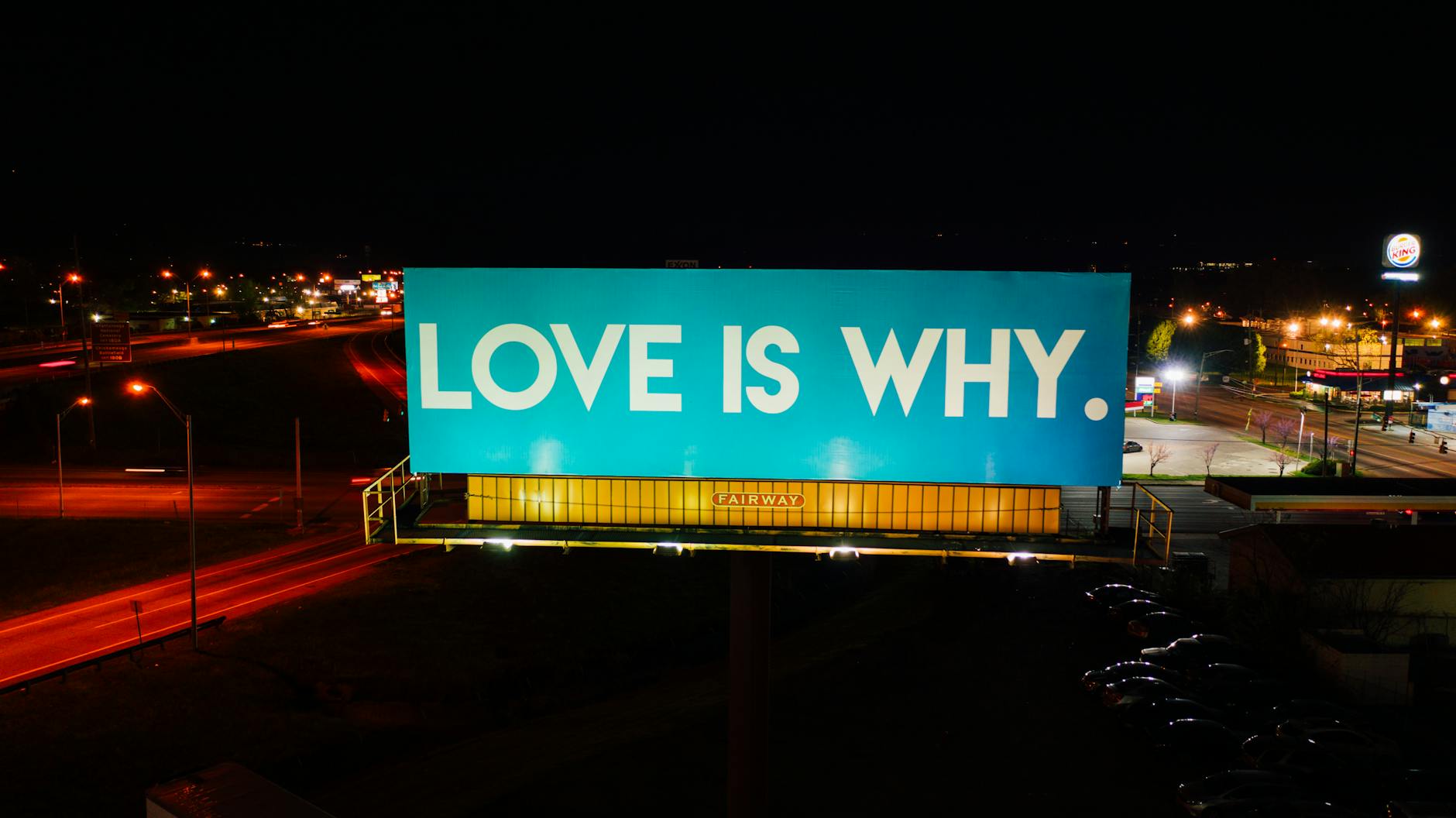
This manifests as the "fish out of water" trope or the juxtaposition of high-stakes environments with low-stakes behavior. For example, the humor in Monty Python’s "The Ministry of Silly Walks" doesn't come from the walks themselves, but from the fact that they are performed with the rigid, bureaucratic solemnity of a government office. The incongruity between the professional setting and the absurd action is where the comedy lives.
Relatable Failure: The Human Frequency
There is a visceral thrill in watching someone confident crumble in real-time. Relatable failure works because it instantly collapses the power dynamic between the performer and the observer. Self-deprecation is the fastest way to bridge that gap. It is the comedic equivalent of a musician leaving studio chatter or a missed note in a recording; those imperfections make the work feel human rather than manufactured.

The "cringe" factor functions like a dissonant chord, creating a tension that can only be resolved through laughter. In an era of hyper-curated social media feeds, this vulnerability is a superpower. While pure irony can feel cold and distant, vulnerability is warm. It moves the comedy from the head to the gut, transforming private shame into a public celebration.
The Callback: The Thematic Loop
A callback is a thematic loop that takes a previously established pattern and reintroduces it in a new, incongruous context. Structurally, a successful callback is like a melodic motif in a symphony. You plant a seed early on—a weird observation or a specific phrase—and let it sit in the subconscious. When it returns, it provides narrative resolution, proving the set was a composed piece of work rather than a collection of disconnected bits.
There is a neurological reward here; when a listener recognizes a callback, the brain experiences a hit of dopamine for solving the puzzle. This is why stand-up remains a vital art form despite the rise of viral clips. A callback cannot be clipped; you cannot understand the payoff without the buildup. It demands a linear commitment of time and turns the act of listening into an active sport.
Physical Comedy: Visual Syncopation
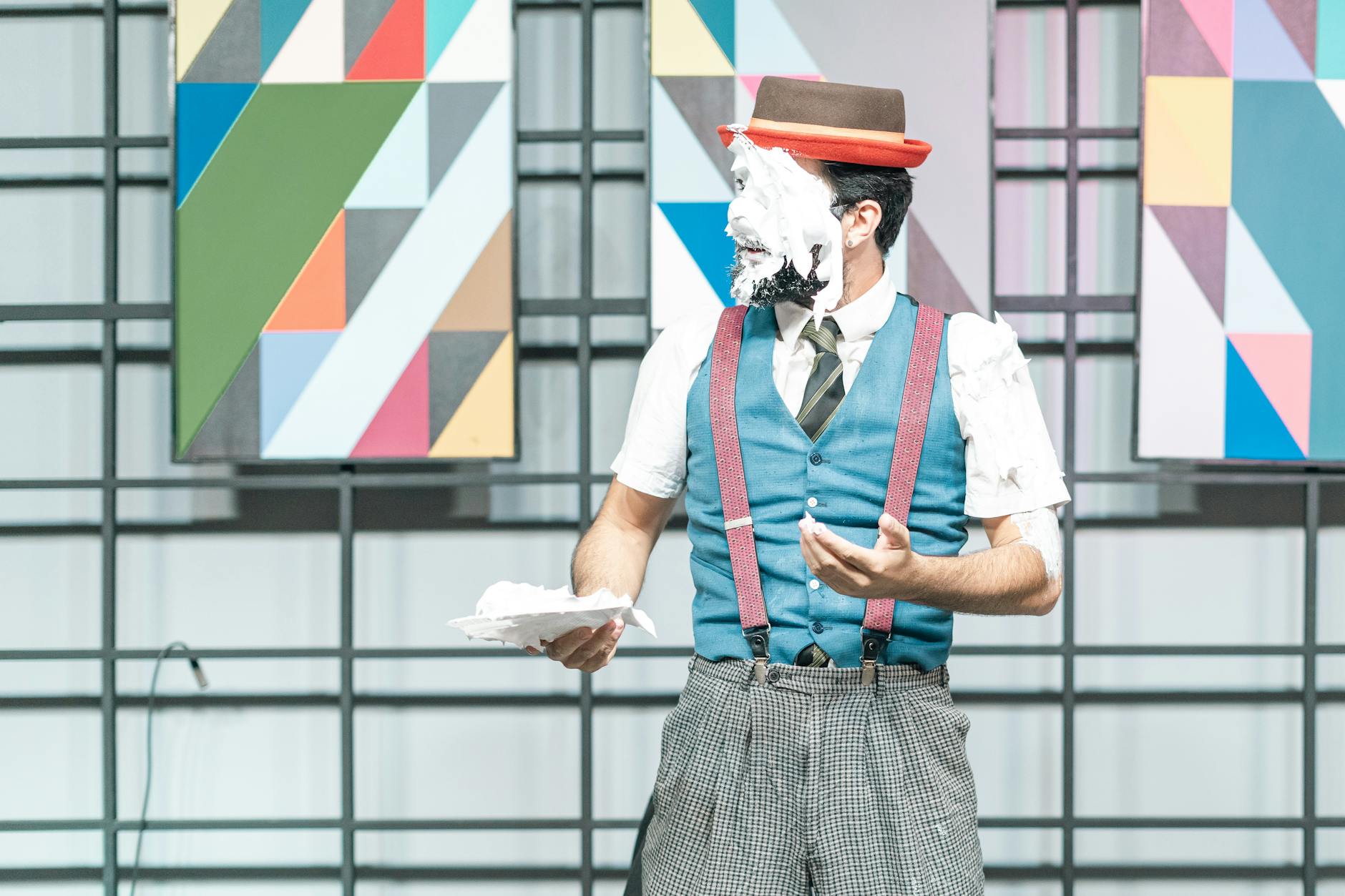
Physical comedy operates on a frequency that requires no translation. A well-timed stumble or a look of panic often does more heavy lifting than a meticulously written monologue. In performance, physical comedy acts as a rhythmic break, a sudden syncopation that jolts the audience out of the verbal flow. When a comedian is mid-sentence and suddenly freezes, it functions like a sudden silence in a loud track, snapping attention away from logic and toward the raw absurdity of the human body.

Modern physical humor has evolved from simple slapstick to underscore psychological absurdity. It is less about the impact and more about the tension—the gap between how a character wants to be perceived and how they are actually behaving. The higher the pedestal the character sits on, the more satisfying the physical descent becomes.
Modern Surrealism: The Digital Glitch
Recent comedy has evolved into a brand of surrealism that reflects an increasingly irrational world. From "deep-fried" memes to absurdist sketches, this style pushes reality just far enough to make it surreal, mirroring the internal chaos of the digital age. We laugh at the mundane struggle of a corporate Zoom call when it is amplified to an impossible degree because it feels honest to our current experience.
However, there is a ceiling to this absurdity. For a joke to land, it needs a tether to reality. If the gap between the setup and the payoff becomes too wide, the incongruity ceases to be a bridge and becomes a wall. The most successful modern comedy maintains a delicate balance: it pushes the boundaries of the absurd while keeping one foot firmly planted in a recognizable truth.
Conclusion
Whether it is a sophisticated satire or a simple pratfall, the underlying plumbing of comedy remains the same: the tension of anticipation followed by the release of the unexpected. We don't laugh because a joke is "correct," but because our brain's attempt to predict the future was hilariously wrong. The most timeless tropes work because they mirror the natural cadence of human speech and the rhythmic patterns of our biology.
For any writer or performer, the key is to focus less on the "what" and more on the "when." Comedy is a game of timing and tension. By mastering the setup—the steady beat—and refining the pivot—the syncopation—you can turn any observation into a punchline. The goal is to lead your audience down a familiar path and then, with absolute precision, pull the rug out from under them.

Hello, I'm Ahmed Saleh. My journey began with Music Production, but over the last 9 years, my passion for music and entertainment writer breaking down songs, production techniques, and how soundtracks shape emotion. has shaped my voice as a writer—reflective, grounded, and always curious.