Editor's brief
A full closet often masks a lack of cohesive style. Shifting to a capsule wardrobe replaces impulse buying with intentional curation, using a defined color palette and quality fabrics to eliminate decision fatigue and create a streamlined, sustainable way of dressing.
#Capsule Wardrobe
#Sustainable Fashion
#Minimalism
#Style Curation
The paradox of a full closet and nothing to wear is a failure of curation, not volume. This friction typically arises from a collection of disparate pieces—acquired through impulse or fleeting trends—that lack a cohesive visual language. Shifting toward a capsule wardrobe resolves this by emphasizing intentionality, transforming the act of dressing from a stressful chore into a streamlined ritual of self-expression. Prerequisites: Defining Your Style Identity and Lifestyle Needs A cohesive closet requires a strategic blueprint before any garments are purchased or discarded. The first step is establishing a personal style aesthetic using a "three-word" descriptor—such as "refined, effortless, and sporty"—to filter all future acquisitions [1]. This linguistic shorthand prevents the fragmented aesthetic that occurs when attempting to inhabit too many style personas simultaneously. To translate these descriptors into visuals, curate a digital vision board via platforms like Pinterest. By gathering images of outfits, textures, and silhouettes that resonate, recurring patterns emerge to reveal the actual visual language of your current identity [2]. This visual evidence is more reliable than a vague notion of preference, as it isolates the specific cuts and tones that consistently attract the eye. Following the aesthetic definition, conduct a lifestyle analysis by documenting the percentage of time spent in various environments, such as a corporate office, a home studio, or social...
The paradox of a full closet and nothing to wear is a failure of curation, not volume. This friction typically arises from a collection of disparate pieces—acquired through impulse or fleeting trends—that lack a cohesive visual language. Shifting toward a capsule wardrobe resolves this by emphasizing intentionality, transforming the act of dressing from a stressful chore into a streamlined ritual of self-expression.
Prerequisites: Defining Your Style Identity and Lifestyle Needs
A cohesive closet requires a strategic blueprint before any garments are purchased or discarded. The first step is establishing a personal style aesthetic using a "three-word" descriptor—such as "refined, effortless, and sporty"—to filter all future acquisitions [1]. This linguistic shorthand prevents the fragmented aesthetic that occurs when attempting to inhabit too many style personas simultaneously.

To translate these descriptors into visuals, curate a digital vision board via platforms like Pinterest. By gathering images of outfits, textures, and silhouettes that resonate, recurring patterns emerge to reveal the actual visual language of your current identity [2]. This visual evidence is more reliable than a vague notion of preference, as it isolates the specific cuts and tones that consistently attract the eye.
Following the aesthetic definition, conduct a lifestyle analysis by documenting the percentage of time spent in various environments, such as a corporate office, a home studio, or social settings [1]. For example, an individual spending 70% of their time in a professional setting should allocate their garment counts accordingly. Finally, define the capsule's primary objective, whether it is to eliminate decision fatigue, embrace sustainable style, or transition into professional attire [2]. Aligning the wardrobe with daily reality avoids the trap of building for an impractical, aspirational version of one's life.
The Wardrobe Audit: Curating the Foundation
A capsule wardrobe frequently evolves from existing pieces. Begin with a "Wardrobe Detox," sorting every item into three categories: Keep, Repair, and Donate/Sell [3]. Apply a "Frequency of Use" filter, questioning if each item has been worn in the past year and if it still fits both the current body and the established lifestyle [4].

The goal is to isolate "gems"—high-quality basics that anchor the look and serve as the system's base [3]. This process is guided by the 20/80 Rule, which observes that most people wear 20% of their clothing 80% of the time [4]. Identifying this high-performing 20% provides a factual baseline of the silhouettes and fabrics that truly function in the wearer's life.
This audit reveals a critical psychological tendency to cling to garments based on past identities or future desires. Stripping away the noise of the "Donate" pile allows the core identity to surface, ensuring the subsequent building phase is precise and grounded in current needs.
Architecting the Capsule: Color Palettes and Essential Pieces
To ensure maximum interchangeability, the wardrobe must be architected with a cohesive color strategy. Start with a foundation of neutrals—such as Black, White, Navy, Gray, or Beige. These tones act as a canvas, ensuring almost any top pairs seamlessly with any bottom. To add depth, introduce two to three accent colors that complement the neutrals and reflect personal personality without sacrificing versatility.
Select core essentials across five primary categories:

- Tops: White button-downs, basic tees, and versatile knits.
- Bottoms: Straight-leg jeans, tailored trousers, and midi skirts.
- Dresses: A Little Black Dress (LBD) and a wrap dress.
- Outerwear: A structured blazer, a trench coat, and a leather jacket.
- Shoes: White sneakers, loafers, and ankle boots.
For a structured start, a 30-piece framework is a useful guideline: 10 base items (neutrals), 10 seasonal items, and 10 accent pieces. These counts should remain flexible based on local climate and professional requirements. This structured approach creates a visual harmony similar to a curated art gallery, where palette restrictions paradoxically expand the creative potential of the combinations.
Sourcing for Longevity: Sustainable Fabrics and Quality Standards
The sustainability of a capsule depends on the quality of materials. Prioritize natural fibers, as organic cotton, linen, hemp, Tencel (Lyocell), merino wool, and silk age more gracefully and maintain their structure over time. When sourcing cotton, look for GOTS-certified (Global Organic Textile Standard) labels to ensure the fabric meets rigorous environmental and social responsibility standards.
To justify the higher cost of premium materials, use the "Cost-Per-Wear" calculation: divide the total price of an item by the estimated number of times it will be worn over its lifetime. A high-end blazer worn 100 times a year for five years is more economical than a fast-fashion alternative that loses its shape after three washes.
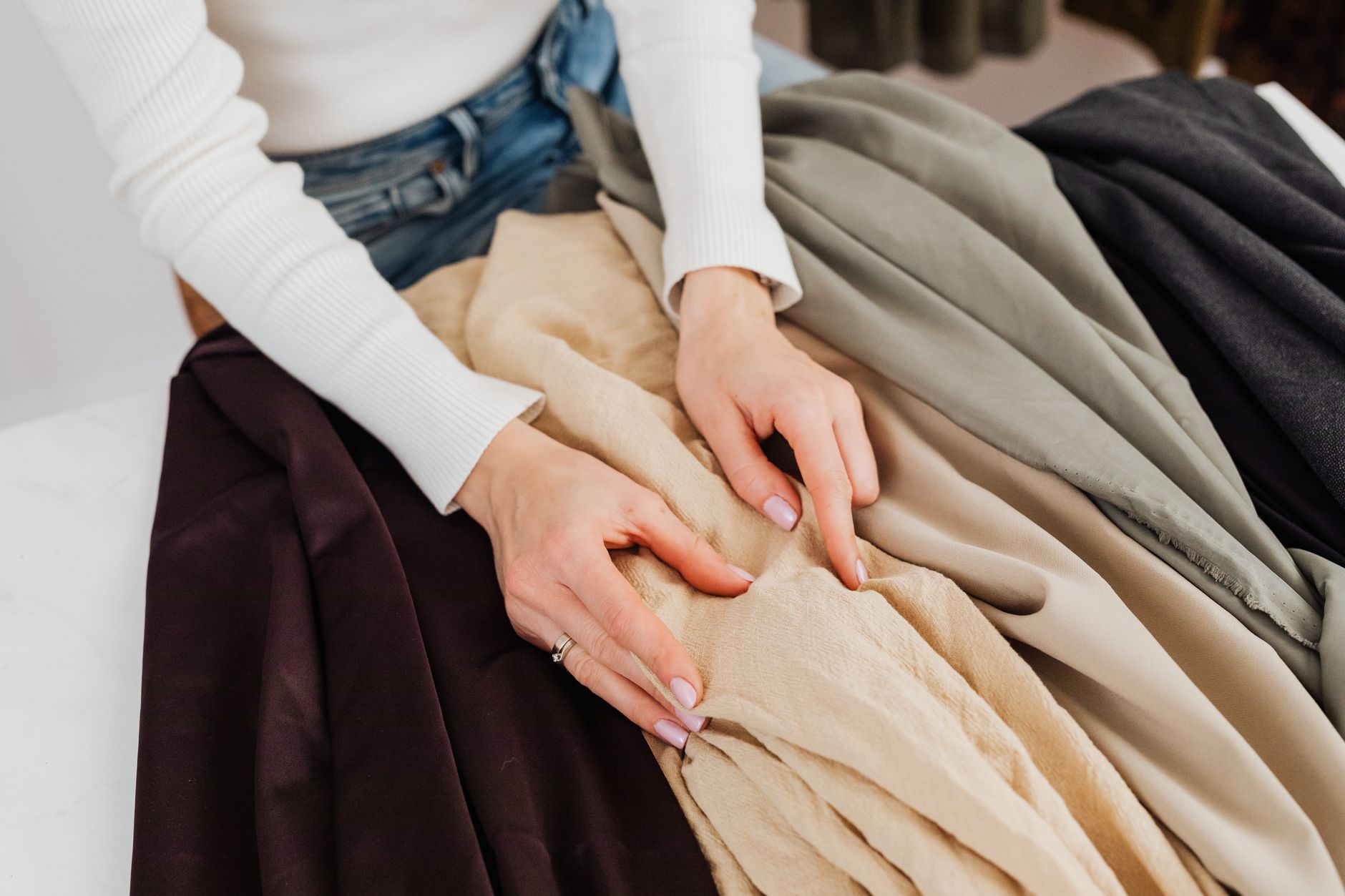
Avoid "micro-trends" from fast-fashion retailers, as these pieces are designed for obsolescence and lack the timelessness required for a sustainable capsule. Selecting a classic silhouette secures enduring relevance, though it requires sacrificing immediate novelty for long-term utility.
Execution: Outfit Formulas and Wardrobe Maintenance
To eliminate morning decision fatigue, implement "Outfit Formulas." A reliable baseline is: Top + Bottom + Layer + Shoe + Accessory. Treating the outfit as a formula allows for a quick rotation of pieces without the need to reinvent a style daily. To ensure every new addition is functional, a piece should only enter the capsule if it pairs with at least three existing items.
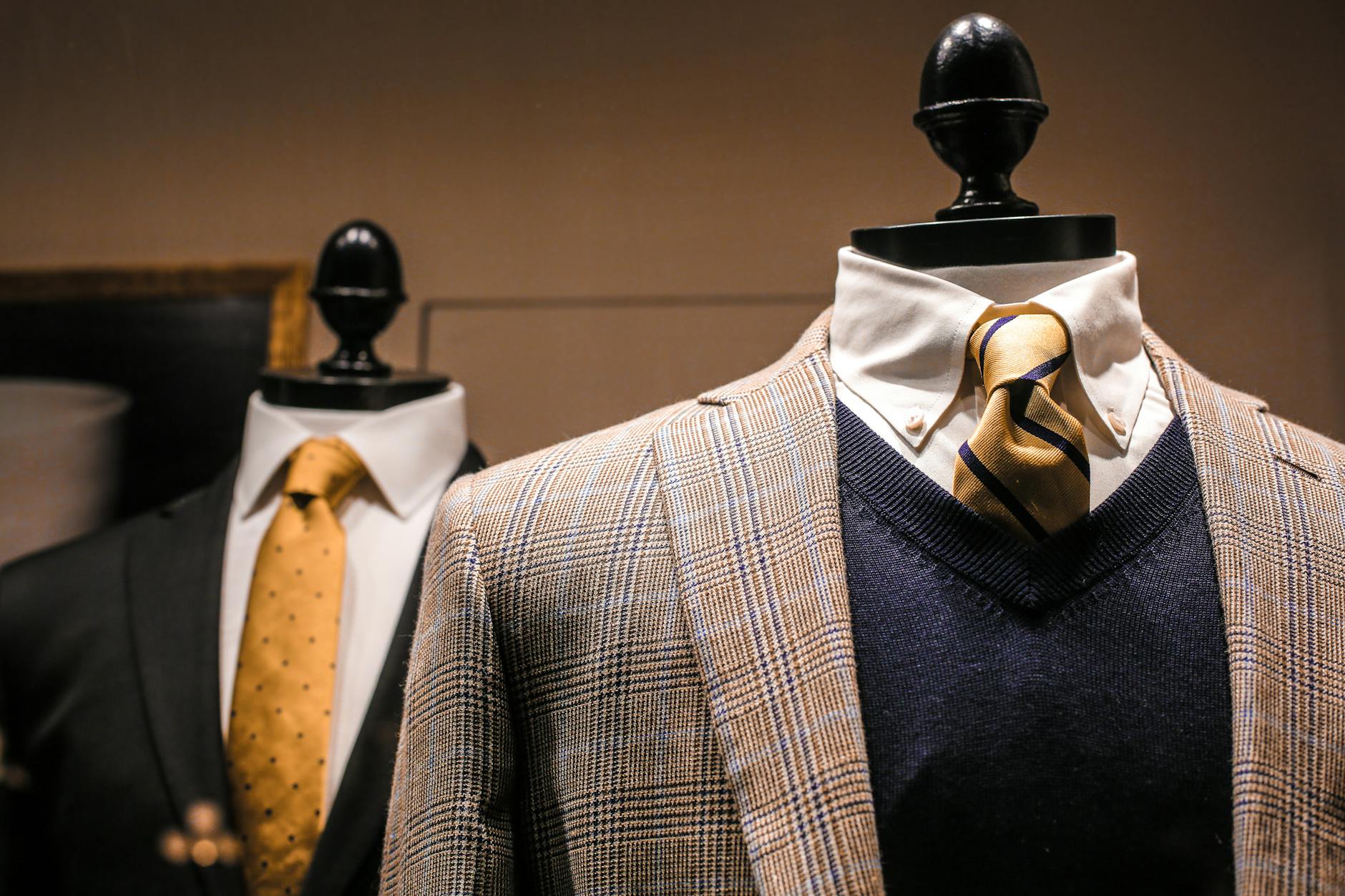
Preventing "closet creep" requires strict boundaries. Apply the "One-In-One-Out" Rule: before adding a new garment, one existing item must be removed. Additionally, implement a "24-Hour Rule" for any purchase above a specific price point, allowing a full day of reflection to ensure the item fits the established style identity.
These mechanisms shift the relationship with fashion from constant acquisition to intentional curation. The wardrobe becomes a living system maintained with the same rigor used to build it.
Troubleshooting: Common Mistakes and Pitfalls
The most frequent failure in capsule building is rigidity. Attempting to adhere to a strict number—such as exactly 33 items—regardless of climate or lifestyle often leads to dysfunction. A wardrobe must be tailored to the wearer's specific needs regardless of mathematical formulas. Similarly, copying generic "essentials lists" from influencers often fails if those pieces do not align with the wearer's body type, color season, or professional requirements.

Another risk is "underloading," where extreme minimalism leads to outfit boredom, which can trigger a relapse into impulse shopping. Maintain a balance between utilitarian basics and "personality pieces" that provide visual excitement. Finally, do not neglect footwear and accessories; these are the primary tools used to shift a single capsule piece from a casual daytime look to a professional ensemble. When balanced, the result is a closet that offers effortless style and lasting confidence.
References
- Camille Styles, 'Wardrobe Essentials,' Camille Styles, 2025. View source.
- Nuude Studio, 'Minimalist Wardrobe Guide,' Nuude Studio, 2025. View source.
- The Slow Label, 'Capsule Wardrobe Guide,' The Slow Label, 2025. View source.
- The LVLL, 'The Art of the Capsule Wardrobe,' The LVLL, 2025. View source.

Hey there, I’m Serena Tan. With a background in Fine Arts and over 6 years diving deep into culture and fashion columnist highlighting how art, design, and style trends reflect identity, cities, and social change., I try to bring a personal touch to every piece I write—grounded, clear, and real.