Editor's brief
This article provides expert insights and humorous reviews of the latest movie releases, guiding readers through blockbusters and indie gems. It examines directing, acting, and overall impact, encouraging thoughtful film appreciation.
#film criticism
#movie review
#cinema analysi
#indie film
In the realm of cinema, where stories unfold on the grand canvas of the silver screen, navigating the myriad of new releases can be a daunting task. From the allure of summer blockbusters promising visual extravagance to the subtle charm of indie darlings whispering poignant narratives, discerning the true gems requires a critical eye and a willingness to delve beyond surface-level hype. This article, "Reel Talk: Unpacking the Latest Big Screen Releases," aims to provide expert insights and humorous takes on the movies everyone's talking about, offering a guide through the cinematic landscape. Opening Credits: Setting the Stage The cinematic landscape resembles a rapidly spinning roulette wheel, doesn't it? A dizzying array of new releases bombards us weekly, all clamoring for our attention, and more importantly, our wallets. From summer blockbusters promising earth-shattering CGI to indie darlings whispering promises of poignant narratives, how does one possibly navigate this overwhelming cinematic buffet? Sifting through the cinematic chaff to unearth a genuine, glittering gem, a film that transcends fleeting trends, requires more than just blind faith in a trailer. It demands a discerning eye, a critical spirit, and a willingness to look beyond the surface-level hype that studios relentlessly peddle. It’s about digging deeper than just asking, "Was it entertaining?" and venturing into the realm of "Was it good?" This is precisely where film criticism steps into the spotlig...
In the realm of cinema, where stories unfold on the grand canvas of the silver screen, navigating the myriad of new releases can be a daunting task. From the allure of summer blockbusters promising visual extravagance to the subtle charm of indie darlings whispering poignant narratives, discerning the true gems requires a critical eye and a willingness to delve beyond surface-level hype. This article, "Reel Talk: Unpacking the Latest Big Screen Releases," aims to provide expert insights and humorous takes on the movies everyone's talking about, offering a guide through the cinematic landscape.
Opening Credits: Setting the Stage
The cinematic landscape resembles a rapidly spinning roulette wheel, doesn't it? A dizzying array of new releases bombards us weekly, all clamoring for our attention, and more importantly, our wallets. From summer blockbusters promising earth-shattering CGI to indie darlings whispering promises of poignant narratives, how does one possibly navigate this overwhelming cinematic buffet? Sifting through the cinematic chaff to unearth a genuine, glittering gem, a film that transcends fleeting trends, requires more than just blind faith in a trailer. It demands a discerning eye, a critical spirit, and a willingness to look beyond the surface-level hype that studios relentlessly peddle. It’s about digging deeper than just asking, "Was it entertaining?" and venturing into the realm of "Was it good?"
This is precisely where film criticism steps into the spotlight, armed with its metaphorical scalpel and a healthy dose of skepticism. Forget simple thumbs-up or thumbs-down ratings. Our mission is to provide context, unravel hidden meanings, and dissect the choices – both brilliant and baffling – made by the filmmakers. We’re not here to simply tell you what to think, but rather how to think about the films you’re watching. Consider it like having a seasoned film professor sitting beside you in the theater, whispering insightful observations (though hopefully less obnoxiously).
The entertainment industry, whether it likes it or not, hangs precariously on the threads of critical reviews. These reviews, often published mere hours after a premiere, wield considerable power, shaping public perception and ultimately influencing box office success (or devastating failure). A glowing review in a major publication can propel an unknown film to cult status, while a scathing critique can sink a heavily hyped blockbuster faster than you can say "Rotten Tomatoes." We understand this responsibility, and we approach each review with a sense of both excitement and gravity. After all, nobody wants to be the critic who missed the next cinematic masterpiece.
So, buckle up, butter your popcorn (responsibly, of course), and prepare yourself for a rollercoaster of opinions, witty observations, and a critical examination of the latest silver screen offerings. We promise no sacred cows will be spared. Whether we’re celebrating the visionary genius of a director or mercilessly skewering a film that insults our collective intelligence, our aim is to be engaging, insightful, and, dare we say, entertaining. Think of this as your backstage pass to the dazzling, sometimes absurd, world of movie reviews. We'll dissect plot holes with surgical precision, celebrate innovative cinematography, and occasionally, when necessary, completely eviscerate films that deserve to be banished to the cinematic wasteland. Because in the ever-evolving world of film, only the strong reviews survive. And we intend to be the strongest.
Blockbuster Blues: When Bigger Isn't Better
The siren song of the summer blockbuster is a difficult one to resist. Trailers promise us the ultimate escape – a world of dazzling special effects, heart-stopping action sequences, and narratives so grand they dwarf our everyday concerns. For a few precious hours, we’re invited to check our brains at the door and simply feel the rush. Yet, a disconcerting trend has emerged in recent years: a growing disconnect between the sheer scale of these productions and their overall quality. Increasingly, these cinematic titans prioritize visual spectacle and thunderous set pieces over the very elements that make a film truly resonate – compelling storytelling, nuanced character development, and, dare we say, a semblance of intellectual stimulation. It’s a cinematic bait-and-switch, leaving audiences with a sugar rush that quickly fades, replaced by a lingering feeling of…emptiness.
It’s a sad but inevitable reality. Cinema analysis, once reserved for stuffy academics and film school grads, is now a necessary survival tool for navigating the minefield of modern movie releases. We’re forced to dissect the wreckage of potentially great films, sifting through the debris of explosions and CGI monsters to find the fragile heart that should have been beating at its center. The latest superhero extravaganza (we’ll spare its blushes by refraining from naming names, but you *know* the one we mean) serves as a prime example. The visual effects were undeniably breathtaking, a symphony of pixels and polygons that pushed the boundaries of what’s technically possible. Buildings crumbled with photorealistic detail, energy blasts crackled with electrifying intensity, and our hero sported a perfectly sculpted jawline throughout it all. However, beneath this gleaming veneer lay a narrative so threadbare, characters so one-dimensional, and emotional stakes so…well, nonexistent, that the sensory overload ultimately felt…hollow. We left the theater not with a sense of wonder, but with a headache and a nagging suspicion that we’d just been expertly fleeced.
The challenge for filmmakers today is not simply to embrace the latest technology or to throw the biggest budget possible at a project. It's about finding that elusive sweet spot, that delicate equilibrium between spectacle and substance. How can they create experiences that are both visually stunning and intellectually stimulating? How can they transport us to fantastical worlds without leaving our hearts and minds behind? It requires a level of artistry, a degree of creative vision, that goes far beyond simply ticking boxes on a studio checklist. A truly great film should be able to dazzle our senses while simultaneously engaging our minds, prompting us to think, to feel, to question the world around us.
Blindly embracing the mantra of "bigger is better" is a dangerous game. All too often, it results in a product that is predictable, formulaic, and, ultimately, forgettable. These films may generate massive box office revenue in their opening weekend, but they rarely leave a lasting impact on the cultural landscape. They become just another fleeting distraction, a momentary escape from reality that quickly fades into the background noise of modern life. Instead, filmmakers should be striving to create films that not only entertain but also challenge, that push boundaries, that provide a unique perspective on the human condition. We crave films that linger in our thoughts long after the credits have rolled, sparking conversations, inspiring new ideas, and ultimately enriching our lives. Because at the end of the day, cinema should be more than just a spectacle; it should be an experience that stays with us, not just for a weekend, but for a lifetime. So next time you’re tempted by the allure of a summer blockbuster, ask yourself: is this going to be a feast for the eyes, or a feast for the soul?
Indie Gems: Finding Gold Beyond the Multiplex
Let's face it, the cinematic landscape often feels like a colossal battleground where behemoth blockbusters, fueled by gargantuan marketing budgets, stomp all over the hopes and dreams of smaller, more delicate films. We’re bombarded with trailers showcasing explosions, gravity-defying stunts, and actors whose paychecks could probably fund a small nation’s GDP. But beyond the deafening roar of the multiplex, a quieter, more thoughtful cinema exists, a realm of indie gems waiting to be unearthed. These aren't films vying for global domination; they're content with capturing your heart and mind, one frame at a time. While Hollywood concentrates on appealing to the broadest demographic possible, independent filmmakers often prioritize character-driven narratives, innovative storytelling, and a willingness to take the kind of risks that studio executives would nervously sweat over during a quarterly earnings report.
The beauty of the indie scene lies in its audacity. Without the pressure to recoup nine-figure budgets, filmmakers are free to explore unconventional themes, experiment with visual styles, and give a voice to marginalized perspectives often ignored by mainstream cinema. They're not afraid to tell stories that are messy, complex, and ultimately, human. Think of films like "Moonlight," a powerful coming-of-age story that defied expectations and resonated deeply with audiences precisely because of its raw authenticity. Or consider "Parasite," a South Korean masterpiece that cleverly skewered class disparities and proved that a foreign language film could conquer the world. These films didn’t just entertain; they sparked conversations, challenged assumptions, and left a lasting impact.
One recent indie darling that exemplified this spirit was a poignant drama (let's call it "Echoes of Yesterday" for the sake of anonymity) exploring themes of loss and redemption within the confines of a struggling rural community. The film, shot on a shoestring budget with a cast of largely unknown actors, resonated deeply with audiences despite its limited release. Its power stemmed not from special effects or elaborate set pieces, but from its honest portrayal of human grief and the enduring strength of the human spirit. "Echoes of Yesterday" reminds us that compelling storytelling doesn't require CGI spectacle; it requires empathy, insight, and a willingness to delve into the complexities of the human condition.
However, the path to discovering these cinematic treasures isn't always easy. A film with a million-dollar marketing campaign is far more likely to be prominently featured on streaming platforms and cinema websites than a smaller film relying on word-of-mouth. This creates a vicious cycle where indie films struggle to reach a wider audience simply because they lack the visibility of their blockbuster counterparts. It's like trying to find a rare orchid in a jungle filled with towering trees – you have to know where to look.
But fear not, intrepid cinephiles! Word-of-mouth and critical acclaim can indeed propel these films to unexpected success, proving that quality trumps marketing budgets. Furthermore, film festivals like Sundance, Cannes, and Toronto serve as vital platforms for showcasing independent films and connecting them with distributors and audiences. It’s at these festivals that the buzz begins, the whispers of "you have to see this" start to circulate, and the seeds of success are sown.
Ultimately, the joy of discovering an indie gem lies in its authenticity and its ability to connect with audiences on a personal level. These films often present a refreshing contrast to the polished but predictable narratives of mainstream entertainment. They dare to be different, to challenge conventions, and to offer a glimpse into worlds and perspectives rarely seen on the big screen. So, the next time you're browsing for a movie, take a chance, venture beyond the familiar, and explore the vibrant and rewarding world of independent cinema. You might just discover your next favorite film, a hidden treasure that will stay with you long after the credits roll. You might find yourself saying, "Forget the superheroes, give me a story with a soul." And that, my friends, is the true magic of indie films.
The Director's Cut: Examining the Vision Behind the Camera
A film, dear moviegoers, is rarely just a shimmering collection of attractive faces, explosions engineered to rattle your very core, or enough CGI to make a graphics card weep. It's something far more ambitious, hopefully – the embodiment of a director's singular vision. It’s the culmination of countless decisions, large and small, all filtered through the unique lens of the individual calling the shots. Think of it like this: a chef might have the finest ingredients in the world, but it's their culinary vision, their knowledge of flavors and techniques, that transforms them into a delectable masterpiece. Similarly, a director takes actors, script, music, and visual effects and molds them into something hopefully…memorable.
Understanding a director’s individual style, their often-unconscious recurring themes, and their calculated creative choices can significantly enhance our appreciation (or, let's be honest, our understanding of why we hated it) of their work. It’s like learning to appreciate the brushstrokes of a Van Gogh; suddenly, a field of sunflowers becomes a swirling vortex of emotion. Consider, for instance, a hypothetical "renowned director" – let's call him Alphonse Froissement – known for his meticulous attention to detail, his penchant for extended takes that make you question the very nature of time, and a crippling fear of the color yellow. In his latest release, a sprawling historical drama about the surprisingly cutthroat world of competitive pigeon racing, Froissement crafts a stunning visual narrative. Every feather is painstakingly rendered, every pigeon's grimace is perfectly captured, and the lack of yellow is so pronounced it becomes a thematic element in itself, symbolizing the oppressive nature of the pigeon-racing establishment. Without understanding Froissement's quirks and obsessions, the film might just seem like a very long, very serious movie about pigeons. But with that knowledge, it becomes…well, still a very long movie about pigeons, but one with layers!
Cinema analysis, that hallowed and often pretentious pursuit, often focuses on the director's masterful (or disastrous) use of cinematography, editing, and sound design to convey meaning and evoke emotion. The way a director uses light and shadow, for example, can subtly influence our perception of a character or a scene. A quick cut can create a sense of urgency, while a long, lingering shot can build tension or evoke a feeling of tranquility. The sound design, often overlooked, is equally crucial. A well-placed score can amplify the emotional impact of a scene, while subtle sound effects can create a sense of realism or unease. It's all about creating a cohesive and immersive experience for the viewer.
And then there's the legendary, sometimes mythical, director's cut. This, when available (and legally accessible without resorting to back-alley DVD vendors), offers a glimpse into the unfiltered vision of the filmmaker, often revealing nuances and subtleties that were cruelly omitted from the theatrical release, sacrificed on the altar of runtime or studio interference. Maybe there's a crucial scene that clarifies a character's motivations, or a particularly poignant moment that was deemed too "artsy" for the general public. The director's cut is, in essence, the director's chance to say, "This is the film I *really* wanted to make."
However, and this is a crucial caveat, sometimes a director’s vision can be overly indulgent or self-serving, leading to a film that is more style than substance, more flash than feeling. We’ve all seen those movies – the ones where the director seems more interested in showcasing their technical prowess than in telling a compelling story. It's like a chef who uses incredibly rare and expensive ingredients but forgets to actually make the dish taste good. It is important to view the directors work in relation to other works in similar genres to truly understand their vision and to see if the choices that they have made are truly ground breaking and original, or if they are simply rehashing old ideas with a new coat of paint. Ultimately, appreciating a film requires more than just passively watching; it requires engaging with the director's vision, understanding their choices, and, crucially, forming your own opinion. After all, even the most brilliant vision can fall flat if it doesn't resonate with its audience. And that, my friends, is the magic (and the occasional misery) of cinema.
Acting Up: Performances That Captivate and Convince
Let's face it: a film dripping with visual effects, boasting a score that could make angels weep, and directed by a visionary can still crash and burn if the acting falls flatter than a week-old pancake. Even the most meticulously crafted world on screen needs believable inhabitants to make us care. The truth is, even the most jaw-dropping special effects are just window dressing if the performances anchoring the narrative are unconvincing. The very essence of cinema lies in its ability to transport us, and that journey is almost entirely dependent on the actors who guide us through it. The ability to genuinely inhabit a character, to not just recite lines but to bleed emotion onto the screen, and to forge a connection with the audience – that's the gold standard of great acting, the kind that etches itself into cinematic history.
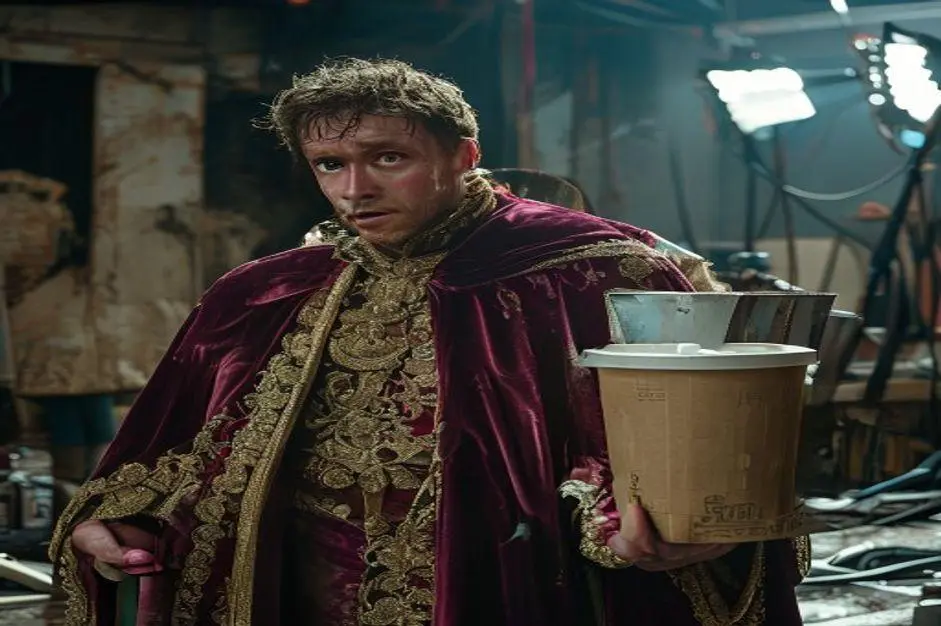
Think of Daniel Day-Lewis practically becoming Abraham Lincoln, or Charlize Theron's transformative turn in "Monster." These aren't just performances; they're total immersions. Speaking of transformations, a recent historical drama, "The Emperor's Gambit," showcased just such a tour-de-force. The film itself was a bit of a slog, truth be told, but lead actor Alistair Finch’s portrayal of Emperor Maximillian was undeniably captivating. He reportedly lost an unhealthy amount of weight, mastered a nearly forgotten dialect, and genuinely seemed to *become* the eccentric, doomed ruler. While the film might be destined for the bargain bin, Finch's performance deserves to be studied in acting classes for years to come.
Film criticism, in its best form, delves into these very nuances. It's not just about saying "good acting" or "bad acting." It's about examining the actor's choices – the subtle gestures, the vocal inflections, the way they use their eyes to convey unspoken emotions – and analyzing how those choices contribute to the overall narrative. Did they elevate the material, or were they merely going through the motions? Did their choices resonate with the thematic core of the film? These are the questions critics wrestle with, and the answers can significantly impact a film's reception.
However (and this is a big however), even the most seasoned thespians can stumble when saddled with a poorly written role or a director who doesn't understand their strengths. We've all witnessed talented actors trapped in films where they’re clearly phoning it in, victims of miscasting or simply given dialogue so atrocious it could curdle milk. Think back to that action blockbuster where the Oscar-winning actress looked visibly bored, reciting lines that sounded like they were lifted from a cereal box. It’s a painful reminder that even the brightest stars can be dimmed by lackluster material.
Furthermore, the chemistry between actors can be the secret ingredient that makes a film soar, or the kryptonite that brings it crashing down. A believable and engaging dynamic between characters draws the audience in, making them invest in the story and the relationships unfolding on screen. Remember the electrifying connection between Leonardo DiCaprio and Kate Winslet in "Titanic"? Or the hilarious, awkward charm of Bill Murray and Scarlett Johansson in "Lost in Translation"? On the flip side, think of those romantic comedies where the leads have all the chemistry of two wet socks. Ouch. That palpable absence of connection can sink even the most promising plotlines.
Ultimately, the best acting performances transcend mere entertainment; they elevate the art form. They solidify the magic of cinema, reminding us of its power to move us, challenge us, and connect us to the human experience in profound ways. When an actor truly disappears into a role, they unlock the door to empathy, allowing us to walk in someone else's shoes and see the world through a different lens. And isn’t that what movies are all about? So, the next time you’re watching a film, pay attention not just to the explosions and the sweeping landscapes, but to the faces on the screen. You might just witness something truly extraordinary.
The Verdict: Final Thoughts and Film Ratings
Alright, folks, we've wrestled with convoluted plots, dissected questionable character motivations, scrutinized directorial choices that made us scratch our heads, and applauded performances that deserved standing ovations (or at least a polite golf clap). Now, after all that cinematic surgery, it's time to pronounce the patient alive…or, well, needing life support. It's time for the final verdict.
Our film ratings, dear readers, aren't pulled from a magic hat or determined by a coin flip (although, sometimes, that might be a more reliable method). They're a carefully concocted cocktail of artistic merit – did the film push boundaries, offer something new, or simply rehash tired tropes? – entertainment value – did we actually enjoy ourselves, or were we just counting down the minutes until we could escape back into the real world? – and overall impact – will this film linger in our minds, sparking conversations and influencing future filmmaking, or will it fade into the vast cinematic wasteland, destined to be forgotten faster than you can say "direct-to-video"? We weigh these elements, stir vigorously, and then present you with our considered opinion. Think of it as a Michelin star rating, but for moving pictures…and with significantly less pretension.
However, and this is a *big* however, let's not forget the elephant in the room, the pink unicorn in the corner, the…well, you get the picture: taste is subjective. What sets our cinematic souls ablaze might leave you feeling utterly indifferent. A film dripping with existential angst and black-and-white cinematography might be our cup of tea, while you'd rather be watching a superhero punch a giant robot into oblivion. And that’s perfectly okay! Film appreciation is a personal journey, not a dogmatic religion. Just because we shower a movie with praise doesn't mean you're obligated to love it. Similarly, if we pan a film, it doesn't mean you’re forbidden from finding enjoyment in its cheesy dialogue and over-the-top special effects.
Ultimately, the *only* way to truly determine whether a film is worth your precious time and hard-earned money is to brave the darkened theater (or the glowing screen of your streaming service) and experience it for yourself. Don't blindly follow the flock; become a cinematic shepherd, guiding your own viewing destiny! Form your own opinions, debate with your friends, and passionately defend your cinematic preferences (just try to keep it civil, folks. No throwing popcorn at the screen – or at each other).
Think of film criticism as a knowledgeable guide, a seasoned traveler who's explored the terrain before you. We can point out the scenic vistas, warn you about the treacherous pitfalls, and offer insights into the local culture. But we're not there to dictate your itinerary. Use our reviews as a springboard for your own exploration, a tool to help you navigate the vast and often bewildering landscape of cinema. Don't let us – or any critic, for that matter – dictate your viewing choices. Your cinematic palate is unique; cultivate it, explore it, and trust your own instincts.
The world of cinema is a sprawling, vibrant ecosystem, teeming with life in all its bizarre and beautiful forms. There's something for everyone, from highbrow art films that challenge your perceptions of reality to popcorn entertainment that allows you to switch off your brain and indulge in pure, unadulterated escapism. Embrace the diversity, explore the different genres, and be open to surprises. You never know when you might stumble upon a hidden gem, a film that speaks to you in a way you never expected.
We sincerely hope our insights, delivered with a healthy dose of wit and a dash of cynicism, have provided you with a deeper understanding of the latest new releases and the complex art of filmmaking. We aim to shed light on the creative process, spark meaningful conversations, and, above all, encourage you to engage with cinema in a thoughtful and informed way. Now go forth, film lovers, and may your cinematic adventures be filled with laughter, tears, and plenty of buttery popcorn! Just remember to share.

Hi, I'm Amelia Reyes. My work is influenced by my time in Film Studies and my experiences living in Philippines. After 8 years in this space, I focus on exploring entertainment critic through a human-centered lens.