Editor's brief
This article explores the indie music scene's rise, driven by DIY culture and digital tools. It covers alternative genres, community building, challenges faced by artists, and innovations shaping its future, highlighting its impact on music culture.
#indie music
#diy music
#music industry
#independent artist
Introduction The independent music scene is a vibrant and ever-evolving ecosystem where artists are breaking free from the constraints of traditional record labels and forging their own paths. Fueled by the accessibility of digital tools and a desire for authentic expression, indie musicians are redefining modern music, challenging established norms, and connecting with audiences in profound new ways. This article delves into the heart of the indie revolution, exploring the rise of DIY culture, the exciting diversity of alternative genres, the power of community building, the challenges faced by independent artists, and the innovative future that lies ahead. The Rise of DIY: A New Era for Musicians Hey music lovers! Let’s talk about something seriously cool: the indie music scene. Forget what you think you know about needing a massive record label to make it big. The game has changed, and it's all thanks to the power of DIY. We’re living in a golden age where independent artists are not just surviving, but absolutely thriving, and redefining what it means to be a musician in the 21st century. Ready to dive in? The biggest catalyst for this indie explosion is undoubtedly the digital age. Not too long ago, recording an album required access to expensive studios and seasoned professionals [1]. Now, you can literally create, record, and release music from your bedroom. This democratization of music production has lowered the barriers to entry, unleashing a tidal wave of creativit...
Introduction
The independent music scene is a vibrant and ever-evolving ecosystem where artists are breaking free from the constraints of traditional record labels and forging their own paths. Fueled by the accessibility of digital tools and a desire for authentic expression, indie musicians are redefining modern music, challenging established norms, and connecting with audiences in profound new ways. This article delves into the heart of the indie revolution, exploring the rise of DIY culture, the exciting diversity of alternative genres, the power of community building, the challenges faced by independent artists, and the innovative future that lies ahead.
The Rise of DIY: A New Era for Musicians
Hey music lovers! Let’s talk about something seriously cool: the indie music scene. Forget what you think you know about needing a massive record label to make it big. The game has changed, and it's all thanks to the power of DIY. We’re living in a golden age where independent artists are not just surviving, but absolutely thriving, and redefining what it means to be a musician in the 21st century. Ready to dive in?
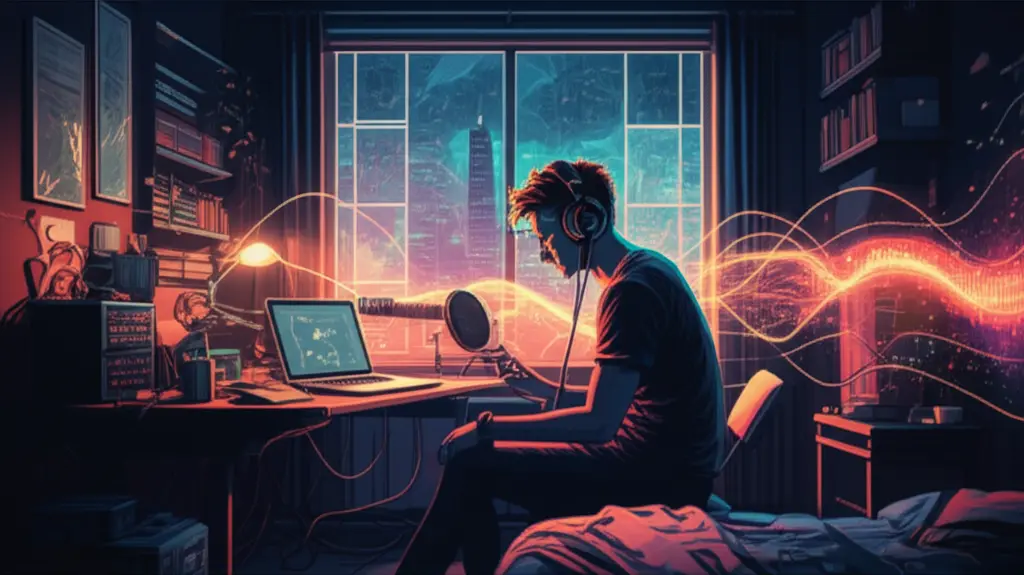
The biggest catalyst for this indie explosion is undoubtedly the digital age. Not too long ago, recording an album required access to expensive studios and seasoned professionals [1]. Now, you can literally create, record, and release music from your bedroom. This democratization of music production has lowered the barriers to entry, unleashing a tidal wave of creativity and giving voice to artists who might never have had the chance to be heard otherwise. This accessibility has also led to a massive upswing in musical diversity.
Distribution used to be another major hurdle, requiring artists to navigate the complex world of record deals and physical distribution networks [2]. Platforms like Bandcamp and SoundCloud have become essential hubs for independent artists, providing them with a direct line to their fans. These platforms empower artists to share their work instantly, build a following, and even sell their music directly, bypassing the traditional gatekeepers of the music industry. Instead of relying on record labels to promote their music, indie artists are building their fanbases one song, one stream, one connection at a time.
This DIY approach fosters a powerful sense of authenticity and connection between artists and their audiences. When you discover an artist on Bandcamp, listen to their music, and then directly support them by buying a digital album or some merch, you're not just a consumer; you're actively participating in their journey. This direct support fuels their creativity, allows them to continue making music, and creates a deeper bond between the artist and their fans.
Many musicians are now also managing their own marketing and promotion [3]. Social media platforms like Instagram, TikTok, and Twitter have become powerful tools for independent artists to reach new audiences, share their music, and engage with their fans on a personal level. They create engaging content, run interactive polls, and even livestream performances, fostering a sense of community and building a loyal fanbase organically. They are their own publicists, marketers, and brand ambassadors all rolled into one!
Financial independence is becoming a genuine reality for many indie artists. Instead of relying solely on record label advances, artists are utilizing crowdfunding platforms like Kickstarter and Patreon to fund their projects and sustain their careers. They are also selling their music, merchandise, and exclusive content directly to their fans through their own websites and online stores. By cutting out the middleman, they retain a larger share of the revenue and have greater control over their creative output.
The accessibility of affordable recording equipment has fueled experimentation and innovation in music production. With readily available tools, artists are pushing boundaries, blending genres, and creating sounds that are entirely their own. This spirit of innovation is driving the indie music scene forward and creating a constant stream of fresh, exciting new music.
Ultimately, the rise of independent artists reflects a broader cultural shift towards valuing creativity and self-expression. We’re no longer content with passively consuming what the mainstream media feeds us. We want authenticity, originality, and music that speaks to our individual experiences. The indie music scene provides that, offering a diverse and vibrant ecosystem where artists are free to be themselves, connect with their fans, and create music that truly matters. So, next time you're looking for something new to listen to, skip the top 40 and dive into the world of indie music. You might just discover your new favorite artist!
Exploring Alternative Genres and Sonic Landscapes
Indie music isn't just a genre; it's an ethos, a spirit of adventure coursing through the veins of the music world. It’s a refusal to be confined, a rebellion against the cookie-cutter sounds that dominate the mainstream. Forget rigid definitions – indie thrives on experimentation, fearlessly pushing the boundaries of what music can be. This willingness to venture into uncharted territory is what makes it so exciting, constantly evolving and throwing up surprises.
One of the most exciting aspects of this experimental spirit is the emergence of genre-bending hybrid styles. Emerging music frequently acts like a musical melting pot, pulling in elements from seemingly disparate genres. Imagine a dash of folk storytelling blended with electronic beats, or punk rock energy fused with the atmospheric soundscapes of ambient music. These combinations aren't just random; they're deliberate attempts to create something new and exciting, something that resonates with the diverse tastes of today's listeners.
Subgenres like dream pop, lo-fi, and bedroom pop have exploded in popularity, captivating audiences with their atmospheric textures and intimate feel [4]. Dream pop, with its ethereal vocals and swirling guitars, creates a hazy, dreamlike experience. Lo-fi, with its deliberate imperfections and raw sound, feels like a warm hug, offering a comforting escape from the polished perfection of mainstream music. Bedroom pop, characterized by its intimate and personal lyrics, is often recorded in, you guessed it, bedrooms, giving it an incredibly authentic and relatable feel. These genres thrive on vulnerability and honesty, connecting with listeners on a deeply personal level.
Contributing significantly to the distinctive sound of indie music is the unconventional use of instruments and production techniques. Forget pristine studio recordings – indie artists often embrace imperfections, using vintage equipment, sampling unexpected sounds, and even incorporating noises from their everyday lives into their music. These elements add character and texture to the music, making it feel more human and less manufactured. It's about creating a sound that's authentic and reflects the artist's unique perspective.
Independent artists are drawing inspiration from a truly diverse range of sources. World music, electronic music, experimental art forms – nothing is off-limits. They might incorporate rhythms from African drumming, melodies from traditional Asian music, or sound design techniques from electronic music producers. This cross-cultural pollination leads to incredibly rich and diverse soundscapes, expanding the horizons of what music can be. They are constantly absorbing new influences, pushing the boundaries of their creativity, and ultimately shaping the sound of tomorrow's mainstream.
Independent artists are often at the forefront of music trends, setting the stage for what will eventually become popular in the wider music landscape. Because they are not bound by the constraints of major labels or commercial expectations, they are free to experiment and take risks. This makes them a vital testing ground for new sounds and ideas. What starts as a niche movement in the indie world can eventually trickle up into the mainstream, influencing the sound of pop, hip-hop, and other genres.
Ultimately, the focus on artistic expression over commercial appeal is what truly defines indie music and allows for such great creative freedom and experimentation. It's about making music for the love of it, not for the sake of selling records. This freedom allows artists to explore their passions, express their unique perspectives, and connect with listeners on a deeper level. They are free to take risks, experiment with new sounds, and challenge the status quo. And that's what makes indie music so exciting and vital – it's a constant source of innovation and inspiration. So dive in, explore the sonic landscapes, and discover your new favorite indie artist. You might just be surprised by what you find.
Independent Artists: Building Communities and Cultivating Connection
Forget the manufactured pop star mystique; the independent music scene thrives on genuine connection. More than just churning out catchy tunes, independent artists are architects of vibrant communities, fostering a sense of belonging that resonates deeply with their fans. This close-knit relationship is a cornerstone of their success, offering a sustainable alternative to the often-fleeting fame found in the mainstream.
One of the key ways independent artists cultivate this connection is through social media. Think of your favorite indie band. Chances are, they're not just posting promotional material. They're actively engaging in conversations, responding to comments on their latest music video, and sharing behind-the-scenes glimpses into their creative process. This direct access shatters the traditional artist-fan barrier, creating a two-way street where fans feel heard and valued. It’s not just about liking a post; it’s about being part of a conversation.
Beyond the digital realm, live performances are absolutely crucial. While a stadium tour might feel impersonal, an intimate gig at a local venue offers a totally different experience. Independent artists often prioritize creating a welcoming and inclusive atmosphere at their shows. These moments of genuine interaction create lasting memories and foster a stronger bond than any carefully crafted marketing campaign could achieve. The energy in these spaces is palpable, fueled by a shared appreciation for the music and the artists themselves.
The indie music scene is characterized by a spirit of collaboration and mutual support. Many artists are actively involved in their local music communities, attending each other's shows, sharing resources, and even collaborating on projects [5]. It's about more than just individual success; it's about building a thriving ecosystem where everyone benefits. This collaborative spirit extends beyond the artists themselves, encompassing local venues, promoters, and fans who are all invested in nurturing the indie music scene.
Ultimately, the emphasis on authenticity and vulnerability is what truly sets independent artists apart. In a world saturated with carefully curated images and manufactured personas, audiences are craving genuine connection. Indie artists often wear their hearts on their sleeves, sharing their struggles, their passions, and their unique perspectives through their music. This raw honesty resonates deeply with listeners who are seeking something real and relatable. It’s about connecting on a human level, sharing experiences, and finding solace in the shared language of music.
Direct-to-fan platforms are empowering independent artists to take control of their careers and build sustainable businesses. By offering exclusive content, merchandise, and experiences directly to their supporters, they can bypass traditional gatekeepers and cultivate a loyal following who are invested in their success. This creates a sustainable foundation for a long-term career in music, built not on fleeting trends but on genuine relationships and mutual support. The indie revolution isn't just about the music; it's about a new way of doing business, one that prioritizes authenticity, community, and connection above all else.
The Impact of Indie Music on Music Culture
Okay, let’s talk about something seriously cool: the impact indie music is having on… well, everything! For too long, the music industry felt like this huge, intimidating fortress controlled by major labels. But indie music has been like a wrecking ball, smashing down walls and creating space for a whole universe of diverse voices that we might never have heard otherwise. It's not just about the music itself; it's a cultural shift. Imagine a world where only a few artists get to dictate what we listen to. Indie music pushes back against that, championing individuality and giving opportunities to artists who might not fit the traditional mold.
Independent artists aren’t just staying in their own little corner. They're actively influencing mainstream music! Remember when everyone started incorporating synth-pop elements into their songs? A lot of those trends bubbled up from the indie scene first [6]. Independent artists are often the ones pushing boundaries, experimenting with sounds, and innovating new styles. Major labels see what's working and often adapt, bringing those indie influences into the mainstream. Essentially, indie artists are the taste-makers, setting the stage for the next big thing.
It's more than just sound; it's also about attitude. The DIY (Do-It-Yourself) ethos of indie music has inspired a whole generation of musicians to take control of their careers. No more waiting for a record label to give you permission to create. These artists are writing, recording, producing, and promoting their music themselves. They're building their own websites, engaging with fans directly on social media, and booking their own tours. This "I can do it myself" mentality is incredibly empowering and shows other young artists that they don't need to wait for someone else to give them a chance – they can create their own opportunities. Plus, it allows them to stay authentic and true to their vision without compromising for commercial appeal.
Indie music has really fostered a greater appreciation for originality. In a world where so much music sounds the same, indie artists dare to be different. They write about real experiences, explore complex emotions, and experiment with unconventional sounds. This authenticity resonates with listeners who are tired of manufactured pop and are craving something real. People want to connect with music that feels genuine, and indie artists deliver that in spades.
None of this would be possible without the rise of streaming services. Platforms like Spotify, Apple Music, and Bandcamp have leveled the playing field, making it easier than ever for independent artists to reach a global audience [7]. Before, you needed a record label to get your music into stores and onto the radio. Now, you can upload your music online and instantly connect with listeners all over the world. This has been a game-changer for indie artists, giving them the opportunity to build a fanbase and earn a living without relying on traditional gatekeepers.
Let’s not forget the amazing indie music scenes that have sprung up around the world. These scenes are more than just places to hear music; they're vibrant cultural hubs that foster creativity, collaboration, and community. Think local venues, record stores, and DIY spaces where artists can connect with each other, share ideas, and support each other's work. These scenes are essential for nurturing new talent and creating a sense of belonging.
Ultimately, the success of independent artists proves that passion, perseverance, and a genuine connection with fans are the most important ingredients for success. It's not about having the biggest budget or the most famous connections. It's about creating music that resonates with people and building a community around your art. Indie artists show us that anyone with talent, dedication, and a strong work ethic can achieve their dreams, regardless of their background or resources. And that's a message that resonates far beyond the world of music, inspiring us all to pursue our passions and create our own opportunities. So, turn up the volume on your favorite indie artist and celebrate the revolution!
Navigating the Challenges: Staying True to Your Vision
So, you’re dreaming of becoming the next indie sensation? Awesome! The independent music scene offers unparalleled freedom, a chance to craft your sound without the constraints of major labels. But let’s be real, navigating this world isn't always a walk in the park. One of the biggest hurdles indie artists face is maintaining financial stability. Unlike artists backed by record labels, you're often responsible for funding everything – recording, mixing, mastering, promotion, touring… the list goes on! It’s about being smart with your resources, exploring grant opportunities, crowdfunding, or even balancing your music career with a day job. The key is to stay resourceful and remember why you started this journey in the first place.
Juggling creative pursuits with the demands of marketing and promotion can feel like trying to spin a dozen plates at once. You’re not just a musician; you’re a social media guru, a booking agent, a graphic designer, and a PR manager all rolled into one! This is where careful planning and time management become your best friends. Consider creating a content calendar for your social media, scheduling dedicated time for writing and recording, and delegating tasks whenever possible. That leads us to another crucial aspect of surviving, and thriving, in the indie world: building a solid support system.
A team of trusted collaborators can be a game-changer. This could include a manager who understands your vision, a talented producer who elevates your sound, a skilled publicist who gets your music heard, or even just friends who offer honest feedback and moral support. These people become your sounding board, your cheerleaders, and your partners in crime, helping you navigate the complexities of the music industry with confidence. But amidst all the noise and demands, never lose sight of your artistic integrity.
Protecting your artistic vision is paramount in a competitive landscape where everyone is vying for attention. It’s easy to feel pressured to conform to current trends or water down your sound to appeal to a wider audience. However, remember that your unique voice is what sets you apart [8]. This doesn’t mean you should be completely resistant to change or feedback, but it does mean staying true to your core values and the message you want to convey through your music. Finding the right balance between artistic experimentation and commercial appeal can be a delicate dance.
This is where experimentation comes in. Don't be afraid to step outside your comfort zone and explore new sounds, collaborations, or production techniques. Seek mentorship and guidance from experienced musicians who have successfully navigated this balance. These veterans can provide invaluable insights, share their experiences, and offer practical advice on how to stay true to yourself while still reaching a wider audience.
Never underestimate the power of networking. Connecting with other artists and industry professionals can open doors to new opportunities you never thought possible. Attend music conferences, showcases, and workshops. Engage with other musicians on social media, and don’t be afraid to reach out to artists you admire. Building genuine relationships within the indie community can lead to collaborations, gigs, and even label opportunities. Think of it as building your own tribe, a community of like-minded individuals who support and inspire each other. Remember, the indie revolution is about more than just music; it’s about community, collaboration, and staying true to your artistic vision. So, embrace the challenges, stay creative, and let your unique voice be heard!
The Future of Indie Music: A Landscape of Innovation
So, you're vibing with the indie scene now, right? Killer melodies, authentic lyrics, and a whole lotta soul. But what does the future hold for this vibrant corner of the music world? Buckle up, because it's gonna be a wild ride fuelled by innovation and creative freedom! Technology is about to become an even bigger player, acting like the ultimate sidekick for indie artists. We’re talking tools that will not only help them craft their sound but also connect with you, their fans, in ways you can’t even imagine yet.
Imagine attending a concert from your couch, but it feels like you're right there in the front row, feeling the bass vibrate through your chest. Virtual reality (VR) and augmented reality (AR) are poised to completely revolutionize live music [9]. Picture putting on a headset and being transported to a surreal, interactive landscape created by your favorite artist, where you can not only hear the music but also visually experience it in a whole new dimension. AR could overlay graphics and animations onto a real-world concert, enhancing the visual spectacle and adding a layer of digital artistry. This isn't just about watching a performance; it's about participating in a living, breathing piece of art. Beyond live shows, VR and AR can foster deeper fan engagement. Think virtual meet-and-greets, behind-the-scenes studio tours, or even collaborative songwriting sessions within a shared digital space. It's about building a community around the music, where fans feel like active participants rather than passive observers.
Let's talk AI. While some might fear robots taking over, AI can be a powerful tool for indie artists, especially those working on a tight budget. AI-powered platforms can assist with everything from generating backing tracks and mastering audio to analyzing social media trends and optimizing marketing campaigns. This allows artists to focus on what they do best: creating awesome music. However, the human element will always be essential. AI can assist, but it can't replace the raw emotion, personal experiences, and unique perspectives that define truly great indie music. It’s a tool, not a replacement.
Genre lines? Prepare for them to blur into oblivion! The future of indie is all about experimentation and boundary-pushing. We’re already seeing artists blending elements of electronic music with folk, hip-hop with classical, and everything in between. This trend will only accelerate, leading to the creation of entirely new subgenres and sonic landscapes that defy easy categorization. Think of it as a sonic melting pot, where different styles and influences collide to create something totally fresh and unexpected. This genre-bending approach is what keeps indie music constantly evolving and exciting, attracting listeners who are hungry for something different from the mainstream.
Collaboration is also key. Independent artists are increasingly embracing cross-disciplinary projects, blurring the lines between music, art, and technology. Imagine a musician teaming up with a visual artist to create an interactive music video, or a band collaborating with a coder to develop a mobile app that allows fans to remix their songs. These collaborations not only expand the creative possibilities but also expose the artists to new audiences and perspectives. These projects create immersive, multi-sensory experiences that push the boundaries of what music can be.
Ethical practices and sustainability are becoming increasingly important. Young fans are more conscious than ever about the impact of their choices, and they expect the artists they support to share their values [10]. This means being mindful of the environmental impact of touring, using sustainable materials for merchandise, and advocating for fair compensation for artists. Embracing these values isn't just the right thing to do; it's also a smart business decision, as it resonates with a growing segment of the audience who are looking for authentic and responsible brands. In short, the future of indie music isn't just about making great tunes; it's about making a positive impact on the world. The future's looking bright, powered by the passion, creativity, and never-say-die attitude of independent artists everywhere. Get ready to be amazed!
Conclusion
The indie revolution is more than just a trend; it's a fundamental shift in the music industry, driven by technology, a desire for authenticity, and the unwavering spirit of independent artists. From the rise of DIY production and distribution to the exploration of alternative genres, the cultivation of genuine community connections, and the embrace of innovative technologies, indie music is redefining what it means to be a musician and how music is created, consumed, and experienced. While challenges remain, the future of indie music is bright, promising a landscape of even greater creative freedom, collaboration, and connection. So, dive into the world of independent music, explore new sounds, support your favorite artists, and be a part of this exciting revolution.
References
- Wikström, P. (2020). The music industry: Governance, technology, and creative content. Routledge.
- Kusek, D., & Leonhard, G. (2005). The future of music: Why the world will be different after the internet. Berklee Press.
- Baym, N. K. (2018). Personal connections in the digital age. Polity Press.
- Reynolds, S. (2011). Retromania: Pop culture's addiction to its own past. Faber & Faber.
- Bennett, A. (2013). Music scenes. Routledge.
- Hesmondhalgh, D. (2013). Why music matters. John Wiley & Sons.
- Anderson, C. (2006). The long tail: Why the future of business is selling less of more. Hyperion.
- Moore, A. (2012). Song means: Analysing and interpreting recorded popular song. Ashgate Publishing, Ltd..
- Lombard, M., & Ditton, T. (2007). At the heart of it all: The concept of presence. Journal of Computer-Mediated Communication, 13(1), 1-21.
- Lysloff, R. T. A., & Prior, S. (Eds.). (2003). Music and technoculture. Wesleyan University Press.
Hello, I'm Ahmed Saleh. My journey began with Music Production, but over the last 9 years, my passion for music and entertainment writer breaking down songs, production techniques, and how soundtracks shape emotion. has shaped my voice as a writer—reflective, grounded, and always curious.