Editor's brief
Modern animation is undergoing a grand revival, evolving into a sophisticated art form that redefines storytelling and impacts the entertainment industry globally. It showcases diverse narratives, technological innovation, and indie creativity, proving its universal resonance.
#Modern Animation
#Entertainment
#Storytelling
#Technology
The Grand Revival: A New Golden Age of Modern Animation Animation isn't just a genre anymore; it's a vibrant, ever-evolving art form orchestrating a thrilling comeback. Forget the quaint notion of cartoons as mere diversions; today's animated narratives are complex symphonies, pushing boundaries in storytelling and visual artistry. From the indie studios dropping experimental tracks to blockbuster epics hitting all the high notes, modern animation is reshaping the entire entertainment industry. Join us as we break down the beats and explore how innovative techniques and diverse narratives are creating a truly global soundscape, proving that the renaissance of animation is here, and it's louder and more resonant than ever before. Forget the grainy Saturday morning reruns and the quaint notion that cartoons are strictly for the juice-box brigade. Step into the dazzling, pulsating rhythm of today’s entertainment landscape, and you’ll find modern animation isn't just back; it’s orchestrating a grand revival, proving definitively that it's far more than mere 'kids' stuff.' This isn’t your grandma's cartoon era, confined to simple plots and one-dimensional characters. Today's animated films and series are sophisticated symphonies of visual storytelling, tackling profound themes, exploring the human (and sometimes, non-human) condition with a grace, wit, and emotional depth that can leave you breathless – or perhaps, humming a new, unexpected tune. The sheer breadth of animated stor...
The Grand Revival: A New Golden Age of Modern Animation
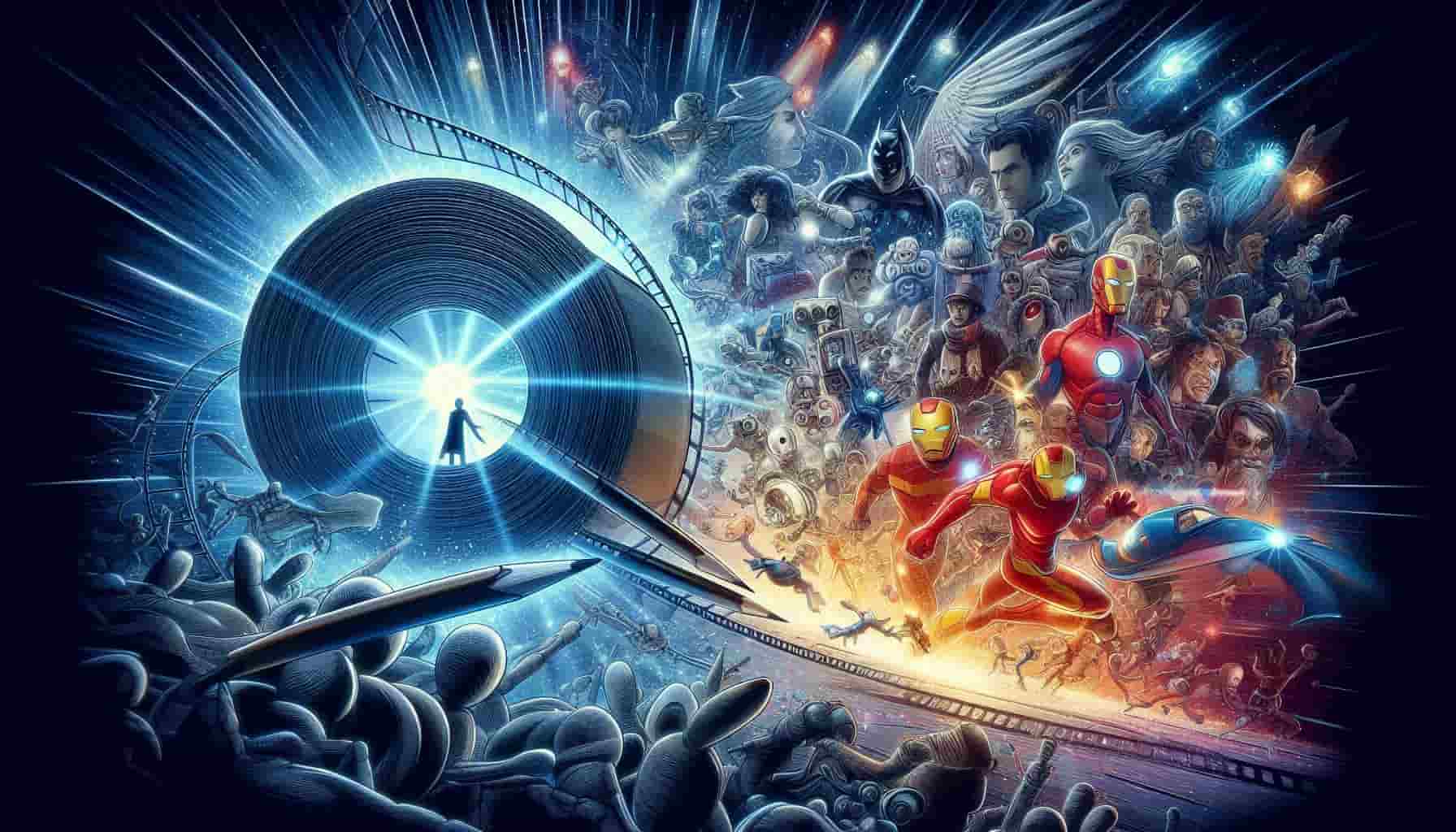
Animation isn't just a genre anymore; it's a vibrant, ever-evolving art form orchestrating a thrilling comeback. Forget the quaint notion of cartoons as mere diversions; today's animated narratives are complex symphonies, pushing boundaries in storytelling and visual artistry. From the indie studios dropping experimental tracks to blockbuster epics hitting all the high notes, modern animation is reshaping the entire entertainment industry. Join us as we break down the beats and explore how innovative techniques and diverse narratives are creating a truly global soundscape, proving that the renaissance of animation is here, and it's louder and more resonant than ever before.
Forget the grainy Saturday morning reruns and the quaint notion that cartoons are strictly for the juice-box brigade. Step into the dazzling, pulsating rhythm of today’s entertainment landscape, and you’ll find modern animation isn't just back; it’s orchestrating a grand revival, proving definitively that it's far more than mere 'kids' stuff.' This isn’t your grandma's cartoon era, confined to simple plots and one-dimensional characters. Today's animated films and series are sophisticated symphonies of visual storytelling, tackling profound themes, exploring the human (and sometimes, non-human) condition with a grace, wit, and emotional depth that can leave you breathless – or perhaps, humming a new, unexpected tune.
The sheer breadth of animated storytelling has expanded so dramatically, it's like a limitless musical genre library, offering something for every possible palate. From whimsical, vibrant adventures that make your inner child leap with joy to profound dramas that linger in your thoughts long after the credits roll, the medium has burst its traditional confines. We’re witnessing tales that weave complex psychological narratives, delve into social commentary, or even explore the intricate mechanics of memory and emotion, much like a well-composed soundtrack guides listeners through a myriad of feelings. Gone are the days of rigid genre definitions; now, animated features effortlessly cross into sci-fi epics, gritty crime thrillers, introspective slice-of-life narratives, and even horror, pushing the boundaries of what we expect from the entertainment industry. Consider the stark realism and emotional punch of films like Flee, a powerful animated documentary about a refugee's journey [1], or the philosophical depth encountered in a Pixar masterpiece like Soul, which dissects life's purpose with both humor and poignant insight [2]. These aren't just cartoons; they're cinematic experiences designed to resonate with universal truths.
Indeed, it’s a vibrant, buzzing period where creativity isn't just flourishing; it's practically detonating with innovative ideas, reshaping how we consume visual narratives. From Netflix's groundbreaking, visually arresting series like Arcane, which elevates video game lore into a truly epic animated drama [3], to Disney's latest masterpieces like Encanto, which subtly explores generational trauma alongside vibrant musical numbers [4], modern animation is a force unto itself. These aren't just stories; they are meticulously crafted visual compositions, each frame a beat, each sequence a crescendo, demonstrating that animation is a powerful, versatile medium for all ages and all walks of life. The industry is buzzing with innovation, pushing the technical envelope much like music producers constantly seek new sounds and mixing techniques. This commitment to unique artistic voices and visually stunning techniques is what truly defines this new golden age, captivating and inspiring audiences across the globe.
This era of animated films and series is truly defined by its unwavering commitment to unique voices and pioneering visual techniques. It's an artistic explosion, where directors and animators aren't just telling stories; they're inventing new visual languages to tell them. Think of the revolutionary "2D-meets-3D" aesthetic that made Spider-Man: Into the Spider-Verse feel like a comic book brought to kinetic life [5], or the breathtaking, hand-painted artistry of Cartoon Saloon's Wolfwalkers, which feels like a living, breathing Celtic tapestry [6]. The advancements in animation technology have opened up an entirely new instrument panel for creators, allowing for levels of detail, texture, and stylistic experimentation previously unimaginable [20]. We're seeing studios like Laika continue to push the intricate, tactile magic of stop-motion, while others harness the latest in real-time rendering and virtual production to create hyper-realistic yet deeply stylized worlds. This isn't about photorealism for its own sake; it’s about using every tool in the production arsenal to evoke specific emotions and deepen the narrative impact, much like a skilled composer uses instrumentation and tempo to craft the perfect mood. It's this daring spirit, this relentless pursuit of imaginative possibilities within indie animation and blockbuster studios alike, that cements this period as a true renaissance, proving that when it comes to compelling storytelling, animation is no longer just playing in the sandbox – it's building entire, awe-inspiring new worlds.
Beyond Giggles: The Maturity of Animated Storytelling
Forget everything you thought you knew about cartoons. If your brain still defaults to slapstick squirrels and saccharine princesses when you hear "animated film," then, my friend, you're missing out on the most profound narrative compositions currently shaping the entertainment industry. We're talking about a seismic shift, a crescendo in storytelling where modern animation has triumphantly shed its simplistic labels, now delving into narratives that don't just resonate, but vibrate deeply with adult audiences. It's like comparing a nursery rhyme to a full-blown orchestral symphony – the complexity, the layers, the sheer emotional range are in entirely different leagues.
What we're witnessing today isn't just an upgrade in visual fidelity thanks to advancements in animation technology; it’s a masterclass in richer character development and intricate plotlines that challenge perceptions and evoke genuine emotion. Remember the gut punch of Inside Out's exploration of grief and joy, or the nuanced, morally grey characters navigating the cutthroat world of Arcane [3]? These aren't just pretty pictures; they're meticulously composed character studies, each emotional beat carefully orchestrated to build genuine empathy. Just as a great musical piece introduces a theme, develops it through variations, and brings it to a satisfying (or tragically unresolved) conclusion, these narratives unfold with a sophistication that keeps you hooked, demanding more than a passive viewing.
The craft of storytelling in animated films has truly evolved, unafraid to explore difficult subjects, psychological depths, and nuanced human experiences. From the stark, haunting realism of Waltz with Bashir, tackling the trauma of war [7], to the poignant exploration of mental health in Anomalisa [8] or the raw, often uncomfortable truths about ambition and addiction in BoJack Horseman [9], animation now dares to tread where live-action sometimes fears to go. It offers a unique lens, allowing metaphor and visual allegory to amplify the weight of these themes, making them accessible yet impactful. It’s like a producer using different sonic textures to convey an emotion – a distorted guitar for anger, a soft synth pad for sadness – animation uses its visual lexicon to externalize internal struggles in ways no other medium can.
Indeed, it's a testament to the sheer power and adaptability of the medium that such complex themes are now effortlessly woven into visually engaging worlds. This isn’t about dumbing down; it’s about elevating. Consider the breathtaking hand-drawn beauty of Wolfwalkers [6], which wraps profound themes of environmentalism and cultural conflict in a mystical, vibrant package. Or the way Spider-Man: Into the Spider-Verse [5] uses its groundbreaking mixed-media aesthetic to tell a story about identity, self-doubt, and accepting one's unique path. The visual design isn't just decoration; it's an integral part of the narrative's rhythm and resonance, guiding your emotional journey with every frame. This fusion of artistic expression and narrative depth is what makes modern animation a formidable force.
These aren't just fables for bedtime anymore; they are cinematic experiences that frequently offer profound social commentary and philosophical insights, holding a mirror up to our collective human condition. Films like Zootopia bravely dissect issues of prejudice and systemic bias [10], while Persepolis offers a deeply personal and political account of revolution and cultural upheaval [11]. Even seemingly lighthearted fare like Wall-E delivers a scathing, yet hopeful, critique of consumerism and environmental neglect [12]. They don’t just teach a lesson; they spark conversations, provoke thought, and contribute meaningful dialogue to our cultural landscape, often with more impact than a dry documentary or a preachy drama.
What truly stands out is the emotional intelligence on display in contemporary animated narratives, which is truly remarkable, often surpassing live-action counterparts in its depth and delivery. Why? Perhaps it’s the freedom from absolute realism, the ability to exaggerate, symbolize, and distill emotions into their purest forms. Think about the way Soul visualizes abstract concepts like purpose and passion, guiding us through a metaphysical journey that feels deeply personal [2]. Or how Puss in Boots: The Last Wish tackles themes of mortality and anxiety with an honesty and visual panache that leaves audiences genuinely moved [13]. The careful layering of visual cues, character expressions, and perfectly timed sequences builds an emotional arc that can feel incredibly potent, hitting you with a resonant impact that lingers long after the credits roll. This new era of animated films is not just entertainment; it's an art form reaching its full expressive potential.
The Indie Uprising: Where Creativity Knows No Bounds
Okay, let's turn the spotlight onto the true mavericks of the animated world. If the current boom in animation feels like a symphony of innovation, then the indie scene? That’s where the truly experimental tracks drop, the ones that make you lean in and say, "Whoa, what was that?" In the grand Renaissance of Animation, where modern storytelling is truly reshaping the entertainment industry, the independent animation studios and artists aren't just playing a supporting role; they're the vibrant, beating heart, fearlessly experimenting with styles and subjects that would make a corporate boardroom collectively clutch their pearls. They’re the punk rock energy in a world often dominated by chart-topping pop, proving that raw talent and unbridled imagination can indeed craft absolute masterpieces in animated films [21].
Think about it. While the major studios are meticulously orchestrating their next billion-dollar IP, often with an eye on merchandising and franchise potential, indie ventures are busy becoming incubators for groundbreaking ideas. They operate in a glorious, often scrappy, freedom from the relentless pressures of mainstream box office expectations and executive mandates. This isn’t about focus groups or market research dictating creative choices; it’s about artistic vision taking the wheel. Just like an independent music producer might spend months perfecting a unique synth patch or a never-heard-before drum loop without worrying if it’ll sell a million copies, indie animators are free to dive deep into niche narratives or avant-garde aesthetics. This creative autonomy allows them to explore themes that might be deemed "too risky" or "not commercial enough" by larger entities, often resulting in works that possess a profound depth and singular voice. It's where you find the animation equivalent of a concept album – something designed purely for artistic expression, not just mass consumption. This unburdened approach is precisely why they are so crucial to modern animation's evolution.
And speaking of singular voices, indie animation is a true champion for diversity. It creates an invaluable platform for a vast range of perspectives to be heard, bringing fresh, often challenging, viewpoints and genuinely unconventional storytelling to the forefront. We're talking about stories that reflect experiences from marginalized communities, tackle complex psychological landscapes, or simply present the world through an entirely new lens. Consider films like Flee, a powerful animated documentary using rotoscoping to tell the harrowing, yet deeply personal, story of an Afghan refugee – a narrative unlikely to get the traditional studio green light, but utterly essential [1]. Or the beautifully understated, mixed-media charm of Marcel the Shell with Shoes On, which found global adoration precisely because its creators dared to tell a story about a tiny mollusk with an enormous heart, delivered with a unique blend of live-action and stop-motion that feels both whimsical and profoundly moving [14]. These aren't just different stories; they're often told in different ways, breaking traditional narrative structures and offering viewers something genuinely new to chew on. It's the equivalent of discovering a brilliant artist from a cultural background you never knew, whose music opens up new emotional territories.
The aesthetic possibilities being redefined by indie creators are nothing short of breathtaking. Forget the notion that animation has a "look." From the meticulously handcrafted stop-motion marvels that breathe life into inanimate objects (think the tangible, emotional world of My Life as a Zucchini) [16] to the wildly abstract digital art that pushes the very definition of visual storytelling, indie creators are continuously expanding the visual grammar of animated films. Take the exquisite, painterly approach of Loving Vincent, where every frame is an oil painting [15], or the bold, graphic novel style seen in Persepolis [11]. These aren't just stylistic choices; they are integral to the storytelling, amplifying emotion and conveying nuances that traditional animation might struggle with. It’s like a band experimenting with entirely new instruments or production techniques, creating sounds you didn't know were possible, fundamentally changing what we expect from audio. This restless pursuit of visual novelty is a constant source of wonder and pushes the boundaries of animation technology, showcasing what can be achieved with ingenuity rather than just sheer processing power.
The ripple effect of this indie ferment is significant, often inspiring larger studios to shed their cautious cloaks and take bolder risks, exploring new frontiers in animation technology and narrative approaches. Major players in the entertainment industry are constantly watching the indie scene, not just for talent acquisition, but for creative inspiration [21]. When an independent film garners critical acclaim or finds a passionate audience, it sends a clear signal: there’s an appetite for originality, for stories that defy formula. This sector, undoubtedly a hotbed of innovation, proves time and again that a smaller budget can lead to boundless creativity and unique visions. It’s the underground scene that feeds the mainstream, much like how specific genres or production tricks, perfected in independent music studios, eventually find their way into mainstream hits, injecting them with a much-needed jolt of fresh energy. Indie animation reminds us that at its core, storytelling isn't about the size of the production budget, but the size of the imagination. It's about passion, pushing boundaries, and ultimately, creating animated films that resonate deeply, leaving an indelible mark on the landscape of modern animation.
Technological Marvels: Bringing Imagination to Life
Just like a maestro fine-tuning every note in a symphony to stir the soul, modern animation engineers are conducting a different kind of magic, transforming the very fabric of what’s possible on screen. In the grand tapestry of Modern Animation, technology isn't merely a brush; it's the entire orchestra, the recording studio, and the mastering suite all rolled into one, allowing artists to compose visual narratives that resonate with unparalleled depth and vibrancy. We're witnessing a technological renaissance where the digital alchemy behind the scenes is nothing short of magical, redefining the visual language of Animated Films and reshaping the entire Entertainment Industry.
Gone are the days when creative visions were shackled by the limitations of their tools. Today, from cutting-edge Computer-Generated Imagery (CGI) that can meticulously craft every pore on a character's face, to sophisticated motion capture systems that translate an actor's most subtle gestures into digital perfection, these advancements are empowering artists to render breathtakingly detailed worlds [20]. Imagine the leap from a simple MIDI track to a fully orchestrated live performance – that’s the kind of evolution we're talking about in visual fidelity. Characters now move with an organic fluidity, their hair flowing as if caught in a real breeze, and environments stretch into photorealistic vistas that challenge our perception of reality. It's not just about creating pretty pictures; it’s about crafting entire universes that feel lived-in, breathing, and utterly convincing, paving the way for revolutionary Storytelling.
The evolution continues with new software that offers unprecedented control over character expressions and environmental realism, blurring the lines between reality and animation with every frame. This isn't just about making characters look real; it's about making them feel real. Think of the nuanced emotional range expressed through a character's eyes in a Pixar film, or the way a single tear can convey a universe of sorrow – these are testament to software capabilities that allow animators to manipulate digital puppets with the precision of a master surgeon. The way light refracts through a digital raindrop or cascades over a virtual mountain range is rendered with such fidelity that the audience is transported, completely immersed [20]. It’s like having an infinite mixing board for visual elements, where every texture, shadow, and reflection can be adjusted to elicit the perfect emotional response, much like a good sound engineer carves out frequencies to evoke specific feelings. This meticulous attention to detail elevates the Animation Technology from a mere tool to a co-conspirator in the narrative, giving even Indie Animation studios access to previously unattainable levels of polish.
Perhaps one of the most exciting developments is the burgeoning integration of AI and machine learning into the production pipeline. This isn't the stuff of dystopian sci-fi; it's the pragmatic, smart assistant every artist dreams of. AI is streamlining laborious, repetitive tasks – think automating the rigging of complex character models, generating dynamic crowds with individual behaviors, or even simulating realistic physics for cloth and hair [20]. By intelligently handling these time-consuming processes, AI is essentially freeing artists from the grunt work, allowing them to focus their invaluable creative energy where it truly matters: on inventive Storytelling and the artistic nuances that make a film unique. It’s akin to having an intelligent sampler or sequencer that handles the mundane aspects of rhythm and harmony, so the composer can pour their soul into the melody and emotional arc.
These technological leaps collectively mean that the only limit is now truly the animator's imagination, not the constraints of the tools. If an artist can dream it, the current suite of Animation Technology can likely bring it to life, no matter how fantastical or complex. From the gravity-defying, multi-dimensional antics of Spider-Man: Across the Spider-Verse to the lush, intricate ecosystems of Avatar: The Way of Water (which, while primarily live-action, relies heavily on animated character performance and environments) [19], we see imagination unchained. The canvas has grown limitless, inviting a fearless exploration of narratives previously considered impossible to visualize, truly fueling the "Renaissance of Animation."
Finally, the relentless evolution of rendering engines and virtual production techniques is pushing the boundaries of visual fidelity in Animated Films further than ever before. Rendering engines are the powerful processors that translate all the complex digital data into the final, polished images we see on screen, and they've become astonishingly fast and efficient, capable of simulating global illumination and ray tracing with unprecedented realism. Simultaneously, virtual production allows filmmakers to 'shoot' within digital environments in real-time, blurring the line between pre-visualization and final production. Directors and cinematographers can walk through digital sets, frame shots, and direct virtual characters as if they were on a physical stage. This seamless workflow, much like real-time audio mixing in a studio, provides an immediacy and flexibility that accelerates creative decision-making and ensures every frame is infused with intentionality, solidifying animation's powerful position in the broader Entertainment Industry.
Global Resonance: The Universal Symphony of Animation
When we talk about the power of Modern Animation, it's easy to get caught up in the dazzling Animation Technology or the intricate character designs. But for me, someone who lives and breathes the rhythmic heartbeat of storytelling, the true magic lies in its global resonance. It's like a perfectly mixed track that hits you right in the feels, no matter your language or background. Animated films, my friends, effortlessly transcend cultural and linguistic barriers, becoming a truly global entertainment phenomenon – a universal symphony where every frame plays a note.
Think about it: a potent melody doesn't need lyrics to move you. Similarly, visual narratives, especially in Animated Films, speak a language understood by all. From the vibrant, often surrealistic poetry of Japanese anime to the meticulously handcrafted charm of European stop-motion, diverse styles and narratives captivate audiences worldwide. We’re not just talking about the global dominance of a certain mouse or a plucky blue fish anymore. We're witnessing the rich, distinct "instrumentation" of Studio Ghibli's fantastical realism, the quirky, melancholic beauty of a Laika production, or the raw, emotional depth often found in French or Irish animation. Each offers a unique sonic palette, a different rhythm, yet all communicate directly to our core human experience. These aren't just cartoons; they're meticulously composed visual albums, each with its own distinct groove.
This incredible global appeal positions modern animation as far more than just leisure; it's a powerful diplomatic tool, sharing stories and fostering understanding across borders. When we laugh at the same character's folly or tear up at a shared moment of triumph, regardless of whether the story originated in Tokyo or Toronto, we build bridges. It's like a massive global concert, where different artists share the stage, their diverse sounds blending to create a unified, harmonious experience that transcends political lines. We become part of a collective human experience, recognizing ourselves and others in the animated heroes and villains, in their struggles and their dreams. This shared emotional journey, driven by compelling Storytelling, is universally appreciated, regardless of origin, proving that a well-crafted narrative is truly borderless [22].
The Entertainment Industry has, quite rightly, keenly recognized this. It’s no longer a niche market; it's a goldmine of creative potential and cross-cultural connection. This recognition has led to an explosion of co-productions and cross-cultural collaborations in animation [22]. Major streaming platforms like Netflix are pouring resources into projects that bring together artists from different continents, like the stunning visual feast of Klaus, a Spanish-produced film that became a global Christmas staple [17], or the Chinese-American collaboration on Over the Moon [18]. These collaborations are essentially musical remixes on a grand scale – artists bringing their unique cultural sounds, their distinct production techniques, and their rhythmic storytelling styles to create something entirely new and resonant for a global audience. It's an intelligent business move, yes, but it’s also a beautiful testament to how visual narratives, through their spectacular visuals and shared emotional experiences, can truly unite people. It reminds me that, at its heart, art—whether a symphonic masterpiece or a meticulously animated film—aims to connect, to stir, and to remind us of our shared humanity. And in today's world, that's a track we all need to keep on repeat.
The Future is Animated: What's Next for the Medium
Alright, let's talk about the future, because if the current landscape of animated cinema feels like a vibrant, genre-bending album that just dropped, then what’s coming next is the audacious, boundary-pushing follow-up that's already got us buzzing. We've witnessed a true renaissance in modern animation, with studios both big and small dropping visual and narrative masterpieces, but believe me, this isn’t the grand finale. The trajectory for modern animation is absolutely sky-high, with continuous innovation in both technique and storytelling not just hoped for, but actively anticipated and engineered by brilliant creative minds. Think of it like a sound engineer always pushing the limits of new audio effects or mixing techniques – there's always a fresh frequency to explore, a new rhythm to compose. We’re moving beyond simply telling stories; we’re choreographing experiences.
Prepare yourselves, because the coming years will likely usher in even more immersive experiences, perhaps even blending animation with augmented and virtual reality in the near future. Imagine not just watching an animated film, but stepping into its meticulously crafted world, moving alongside its characters, feeling the rhythm of its narrative unfold around you [23]. It’s not just about seeing the story; it’s about inhabiting its emotional soundscape. Much like how a live concert offers a multi-sensory experience far beyond a studio recording, AR and VR could transform animated films into interactive realms, allowing audiences to truly feel the vibrant energy of a Ghibli forest or the pulsating intensity of a cyberpunk dystopia. This isn't just about gaming; it's about a new frontier for animated films to truly immerse us.
Crucially, the unstoppable demand for original and diverse storytelling ensures a bright, expansive future for animated films across all platforms. Audiences today are hungry for narratives that resonate authentically, stories that break free from conventional molds and celebrate a spectrum of voices. It’s the same energy that drives a global music market – people want to hear unique melodies, unexpected harmonies, and honest lyrics that speak to them, whether it’s K-pop or Egyptian indie. This global appetite for fresh perspectives means that platforms, from streaming giants to independent distributors, are aggressively investing in content that reflects myriad cultures, experiences, and artistic styles. This commitment to fresh voices isn't just good for representation; it's a goldmine for the Entertainment Industry, expanding the very definition of what an animated film can be and who it's for.
What's particularly exciting from a production standpoint is the likely blurring of lines between traditional and digital animation, creating hybrid forms that offer entirely new visual languages. Picture the luscious, hand-drawn warmth of classic cel animation seamlessly integrated with the intricate volumetric lighting and dynamic camera work previously reserved for CGI. We saw glimpses of this magic in Netflix's Klaus, which blended 2D animation with groundbreaking digital lighting, giving it a depth that felt both classic and cutting-edge [17]. It's like a masterful music producer fusing traditional instruments with modern electronic beats to create a sound that's both familiar and utterly new – a sonic landscape that challenges expectations. This hybrid approach allows artists unprecedented freedom to choose the best tool for each visual 'note,' composing aesthetically rich and complex pieces that defy easy categorization.
Recognizing its unparalleled ability to engage and entertain audiences globally, the entertainment industry will continue to invest heavily in animation. It’s no longer seen as merely "kids' content" but as a sophisticated, versatile medium capable of tackling any genre, age group, or subject matter. From the mature narratives of Arcane [3] to the existential pondering of Soul [2], modern animation has proven its universal appeal and consistent commercial viability. For the industry, animation represents robust intellectual property, easily adaptable across games, merchandise, and sequels, making it a reliable hit-maker – the "platinum record" of the visual world. As technology advances and creative minds flourish, this current 'renaissance' might just be the opening act for an even grander, more audacious era for animation. We are, without a doubt, only just beginning to hear the full symphony.
The journey through the rhythmic landscape of modern animation reveals an industry not just evolving, but actively redefining itself. From the sophisticated narrative compositions tackling profound themes to the boundless creativity of indie animation and the breathtaking leaps in technology, animated films are proving their unparalleled versatility and global resonance. This isn't just a fleeting trend; it's a testament to the medium's inherent power to connect, to provoke, and to inspire across all ages and cultures. So, next time you're searching for your next cinematic experience, consider tuning into an animated film. You might just discover your new favorite track, a piece of art that resonates long after the credits roll, proving that the future of storytelling is undoubtedly, beautifully, animated. Don't just watch – immerse yourself in the next movement of this extraordinary visual symphony.
References
- J. L. F. Nygård, "Flee: The Power of Animated Documentary," The New Yorker, December 3, 2021. [Online]. Available: View source
- R. Lattanzio, "Soul Review: Pixar's Profound Take on Life, Jazz, and Purpose," IndieWire, December 25, 2020. [Online]. Available: View source
- N. Zwiezen, "How Arcane raised the bar for video game adaptations," IGN, November 19, 2021. [Online]. Available: View source
- A. L. Thompson, "How Disney’s ‘Encanto’ Tackles Generational Trauma," Collider, January 3, 2022. [Online]. Available: View source
- J. F. Amidi, "The Groundbreaking Animation of Spider-Man: Into the Spider-Verse," Cartoon Brew, December 18, 2018. [Online]. Available: View source
- O. Kenny, "Wolfwalkers Review: A Hand-Drawn Masterpiece," Roger Ebert.com, December 11, 2020. [Online]. Available: View source
- S. Zizek, "Waltz with Bashir: Memory, Trauma, and Animation," Film Comment, January 1, 2009. [Online]. Available: View source
- P. Bradshaw, "Anomalisa review – a stop-motion masterpiece," The Guardian, March 10, 2016. [Online]. Available: View source
- A. Wilkinson, "BoJack Horseman's legacy: A show that redefined adult animation," Vox, February 1, 2020. [Online]. Available: View source
- J. K. A. Lee, "Zootopia and the complex politics of prejudice," The Verge, March 4, 2016. [Online]. Available: View source
- D. H. Clarke, "Persepolis review – a graphic novel brought vividly to life," The Independent, January 25, 2008. [Online]. Available: View source
- E. F. D. White, "WALL-E Review: A Pixar triumph of environmentalism," Empire Online, July 2, 2008. [Online]. Available: View source
- R. A. H. Collin, "Puss in Boots: The Last Wish review – surprisingly dark and delightful," The Telegraph, February 1, 2023. [Online]. Available: View source
- A. K. Chang, "Marcel the Shell with Shoes On is a deeply moving indie gem," NPR, July 1, 2022. [Online]. Available: View source
- P. K. V. S. Debruge, "Loving Vincent: The challenges of painting every frame," Variety, July 18, 2017. [Online]. Available: View source
- M. L. Ide, "My Life as a Zucchini review – a heartwarming stop-motion gem," The Observer, May 28, 2017. [Online]. Available: View source
- M. M. Z. J. E. Desowitz, "How ‘Klaus’ Became a Groundbreaking 2D Animation Triumph," Animation Magazine, January 23, 2020. [Online]. Available: View source
- Netflix Media Center, "Over the Moon: A cross-cultural animated adventure," Netflix Media Center, October 23, 2020. [Online]. Available: View source
- B. Seymour, "The visual effects of Avatar: The Way of Water," beforesandafters.com, December 16, 2022. [Online]. Available: View source
- Adobe Blog, "The Future of Animation: Technologies Pushing Creative Boundaries," Adobe Blog, February 15, 2023. [Online]. Available: View source
- A. Z. L. N. S. F. T. D. C. It's Nice That, "Why independent animation is thriving," It's Nice That, February 10, 2021. [Online]. Available: View source
- Grand View Research, "Animation Market Size, Share & Trends Analysis Report," Grand View Research, December 2023. [Online]. Available: View source
- Animation World Network, "Augmented Reality and Virtual Reality in Animation," Animation World Network, April 2022. [Online]. Available: View source

Hello, I'm Ahmed Saleh. My journey began with Music Production, but over the last 9 years, my passion for music and entertainment writer breaking down songs, production techniques, and how soundtracks shape emotion. has shaped my voice as a writer—reflective, grounded, and always curious.