
Editor's brief
E-ink technology removes the neurological stress of backlit screens, turning digital reading into a linear, immersive experience. Choosing the right device requires balancing the convenience of closed ecosystems against the freedom of open formats and prioritizing ergonomic balance over raw processing power.
#E-ink
#EReaders
#Digital Reading
#Consumer Tech
The evolution of e-ink displays from crude digital approximations to surfaces nearly indistinguishable from physical paper is a result of precise electrical engineering. For the modern reader, selecting a device is no longer just about screen size, but about the intersection of display physics, ergonomic design, and the divide between digital ownership and ecosystem convenience. Understanding these technical nuances is essential for selecting a tool that aligns with specific reading habits and cognitive needs. The Physics of Electrophoretic Displays Modern e-readers utilize electrophoretic displays, where microcapsules containing positively and negatively charged pigment particles are manipulated by an electric field. The industry standardization of 300 pixels per inch (PPI) has effectively eliminated the "screen door" effect, allowing the human eye to perceive serif fonts with the crispness of high-quality offset printing. Unlike LCD or OLED panels, e-ink is bistable; it only consumes energy when the state of the pixels changes. Once particles are positioned, they remain static without power, allowing hardware to enter deep sleep states between page turns, which extends battery life to weeks [1]. A persistent technical challenge is ghosting—the residue of previous pages caused by particles failing to fully migrate during partial refreshes. This is managed by waveform patterns that trigger a global refresh, resetting every microcapsule to clear visual noise. Lighting has simi...
The evolution of e-ink displays from crude digital approximations to surfaces nearly indistinguishable from physical paper is a result of precise electrical engineering. For the modern reader, selecting a device is no longer just about screen size, but about the intersection of display physics, ergonomic design, and the divide between digital ownership and ecosystem convenience. Understanding these technical nuances is essential for selecting a tool that aligns with specific reading habits and cognitive needs.
The Physics of Electrophoretic Displays
Modern e-readers utilize electrophoretic displays, where microcapsules containing positively and negatively charged pigment particles are manipulated by an electric field. The industry standardization of 300 pixels per inch (PPI) has effectively eliminated the "screen door" effect, allowing the human eye to perceive serif fonts with the crispness of high-quality offset printing. Unlike LCD or OLED panels, e-ink is bistable; it only consumes energy when the state of the pixels changes. Once particles are positioned, they remain static without power, allowing hardware to enter deep sleep states between page turns, which extends battery life to weeks [1].
A persistent technical challenge is ghosting—the residue of previous pages caused by particles failing to fully migrate during partial refreshes. This is managed by waveform patterns that trigger a global refresh, resetting every microcapsule to clear visual noise. Lighting has similarly evolved from direct-to-eye emissive sources to front-light systems. LEDs positioned at the bezel edges are directed inward through a light guide plate. By blending cool white and warm amber LEDs, devices can shift spectral output to reduce blue light exposure, aligning the screen with ambient lighting to mitigate ocular fatigue and minimize disruption to the circadian rhythm [2].
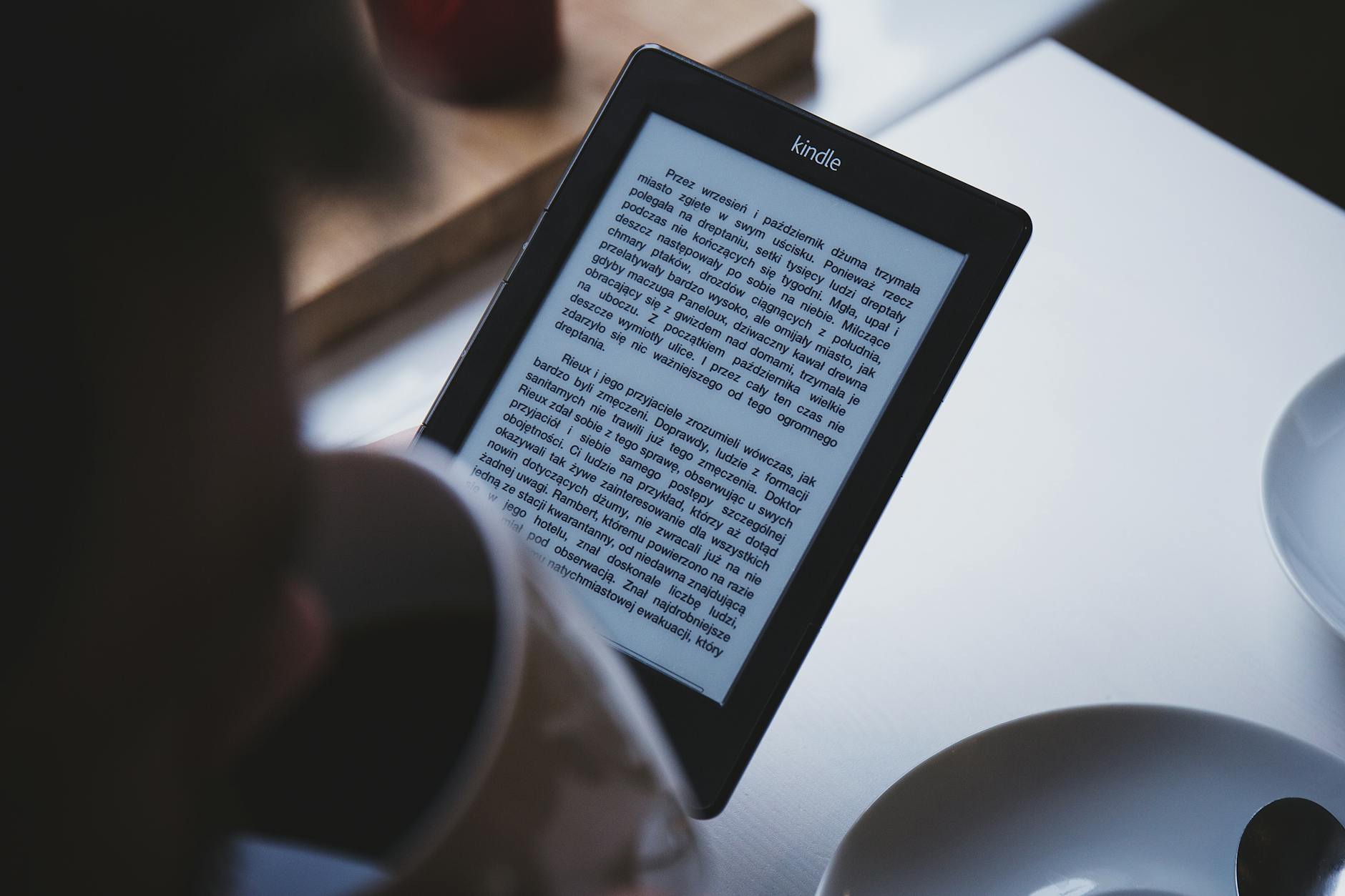
This reflective nature provides a critical physiological advantage over standard tablets. Most high-refresh-rate screens use Pulse Width Modulation (PWM) to control brightness, creating a rapid flicker that contributes to asthenopia, or eye strain. Because e-ink images are static, they eliminate this neurological stress, shifting the experience from the fragmented scanning motion typical of smartphone use to a linear, immersive process that reduces dry-eye sensation and forehead tension.
Ergonomics and Physical Constraints
The usability of an e-reader depends heavily on the center of mass. Poorly distributed internal components, such as the battery and logic board, can create a lever effect that increases torque on the wrist. A centrally balanced device, even if slightly heavier, reduces forearm fatigue during prolonged sessions. This balance is often at odds with the tension between screen real estate and portability. While a 6-inch display is optimal for pocketability, 7-inch and 10-inch panels shift the device into the tablet category, often requiring a two-handed grip or a specialized cover to prevent chassis flex.
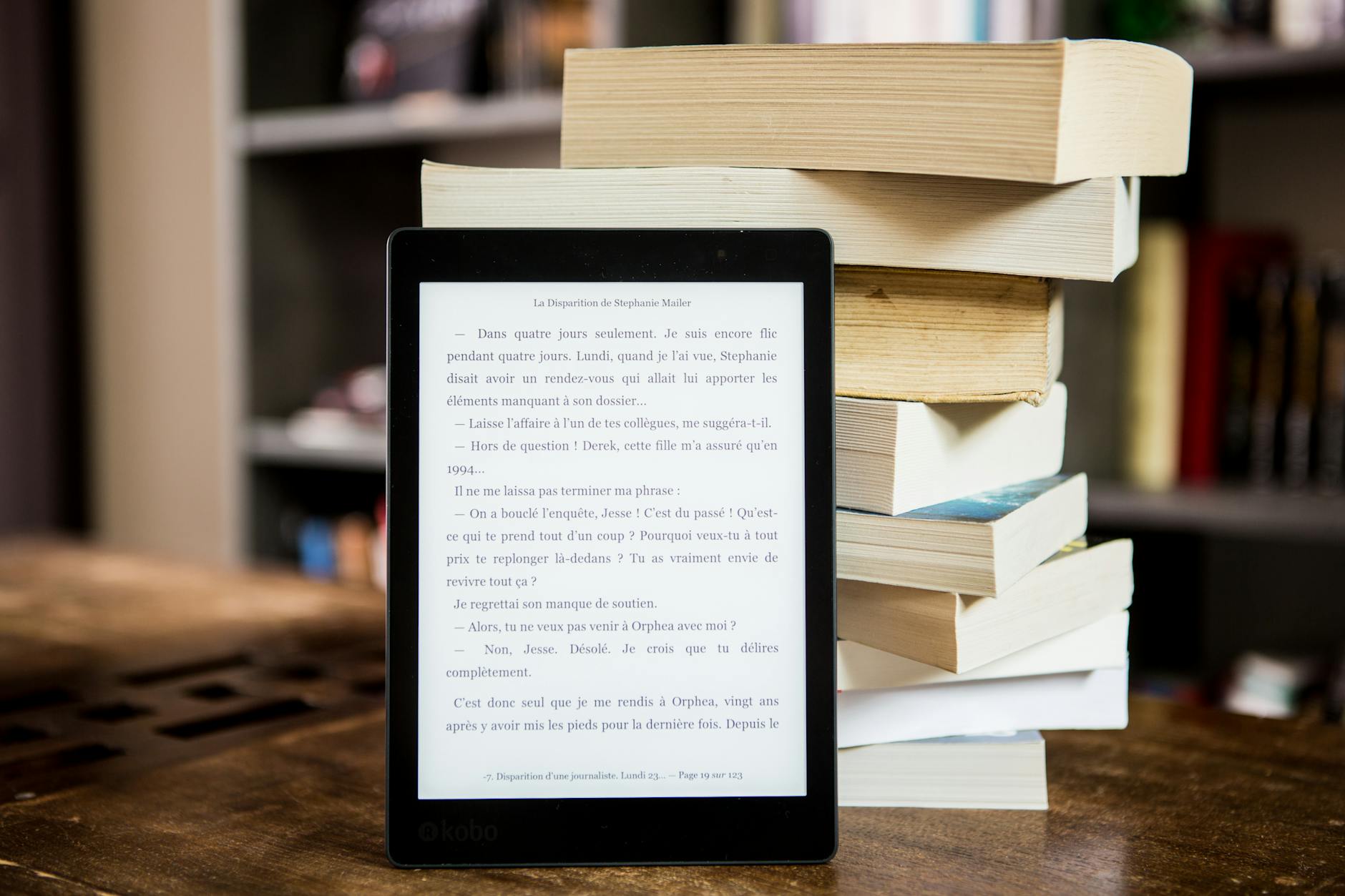
Durability is frequently addressed through IPX8-rated waterproofing, which requires ultrasonic welding or high-grade adhesives to prevent moisture ingress [3]. While this expands use cases, it can result in a more rigid chassis. Tactile feedback also differentiates premium hardware; matte, soft-touch polymers increase the coefficient of friction to prevent the device from sliding. The return of physical page-turn buttons addresses a limitation of capacitive touchscreens: the lack of a tactile actuation point. Mechanical buttons allow for "blind" operation, enabling the reader to focus entirely on the text without shifting their gaze or grip.
Software Performance and Rendering
Perceived speed in an e-reader is a function of how the operating system manages the E-ink refresh cycle rather than raw processor clock speed. Latency between touch input and the waveform trigger can result in a disjointed experience. This stability is most evident during the indexing of large libraries; inefficient background parsing can bottleneck the system, rendering search functions unresponsive after bulk uploads, which is particularly disruptive for non-linear navigation of technical documents.
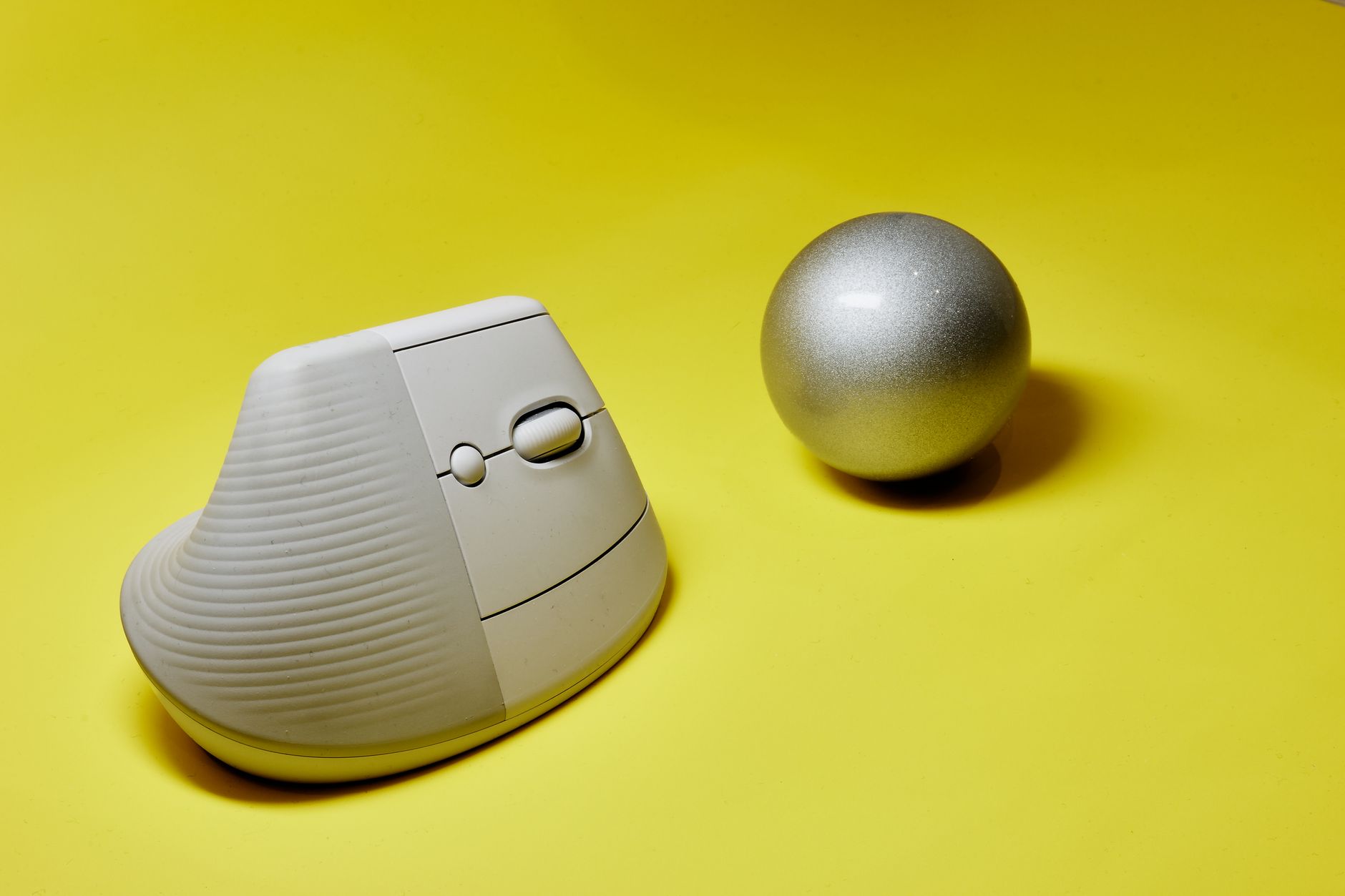
PDF rendering remains a significant hurdle due to the fixed-layout nature of the format. Scaling these documents to small screens necessitates constant zooming and panning, which is tedious on slow-refresh displays. While "PDF reflow" attempts to recalculate text to fit the screen, it frequently breaks the formatting of tables and diagrams. For research-heavy workflows, value shifts to annotation tools that can export highlights into structured formats like Markdown or JSON, transforming the device from a passive reader into a knowledge management tool.
Ecosystems: Ownership vs. Convenience
The divide between the two dominant players, Kindle and Kobo, is rooted in their philosophies of digital ownership. Amazon treats the Kindle as a terminal for its retail services, utilizing proprietary formats like AZW and KFX. This creates a seamless "walled garden" where synchronization is instantaneous, but content is tied to an Amazon account, making library migration a friction-heavy process of decryption and conversion.
Kobo embraces the EPUB standard, allowing for greater flexibility and integration with third-party software like Calibre. This openness extends to public institutions; Kobo’s native integration with OverDrive allows users to borrow library books directly from the device. In contrast, Kindle users typically require a smartphone intermediary via the Libby app to send books to their device. While Amazon has perfected the frictionless transaction, Kobo provides the user with genuine agency over their files.
Evaluating Value and Utility
Battery capacity is often a deceptive specification. In e-ink devices, the efficiency of the sleep state is far more critical than the total mAh rating. The real decision for the consumer rests on the total cost of ownership. Subscription models like Kindle Unlimited prioritize high-volume consumption over curated ownership, and these monthly fees can quickly exceed the hardware cost within a year.

The introduction of the stylus further bifurcates the market. A standard reader is a tool for consumption; adding a Wacom layer or active stylus converts the device into a digital notebook. This increases the footprint and power draw, shifting the optimization goal from portability to a paper-replacement workflow. Ultimately, specifications like PPI should be weighed against habits: high resolution is vital for manga or technical manuals, but negligible for standard prose.
Conclusion
Selecting the right e-reader requires balancing technical specifications with desired levels of autonomy. For users who prioritize a frictionless experience and a vast, integrated storefront, the Kindle ecosystem is the logical choice. However, for those who view their digital library as a permanent, portable collection and value interoperability and library integration, Kobo is the superior tool. The practical takeaway is to prioritize display stability and ergonomic balance over raw processing power, as the primary value of the medium lies in its ability to remove digital distractions and reduce physiological strain.
References
- E Ink Corporation, "Electrophoretic Display Technology Fundamentals," Technical Documentation, 2023.
- National Sleep Foundation, "The Impact of Blue Light on Melatonin Production and Sleep Quality," Research Report, 2022.
- International Electrotechnical Commission, "IEC 60529: Degrees of protection provided by enclosures (IP Code)," 2021.

I'm Kaori Nishimura from Japan. My path through Electrical Engineering has been anything but linear—after 11 years in the field, I've grown into someone who enjoys exploring automotive and gadget reviewer with a mix of curiosity and lived experience.