Editor's brief
This article explores a diverse range of engaging activities for pets, covering indoor and outdoor adventures, mental puzzles, DIY projects, and social interactions. It emphasizes tailoring play to age and energy levels, utilizing positive reinforcement to foster a stronger bond, and ensuring overall pet happiness and well-being.
#Pet Activities
#Animal Enrichment
#Dog Play
#Cat Entertainment
As a journalist deeply invested in pet welfare, I've seen firsthand how vital engaging activities are for our beloved companions. It’s not just about burning off energy; it's about enriching their lives, stimulating their minds, and strengthening the incredible bond we share. Sometimes, outdoor adventures aren't an option, whether due to bad weather, a pet's age, or simply a busy schedule. But fear not, for your home holds a treasure trove of possibilities to ensure your furry friends remain happy and healthy. Indoor pet activities are not merely a fallback; they are a fantastic way to boost cognitive function, reduce stress, and prevent boredom-induced destructive behaviors, leading to truly happy pets. Indoor Adventures: Unleashing Fun at Home One of my favorite methods for mental stimulation is transforming your living space into a thrilling scavenger hunt for their favorite treats. Dogs, with their extraordinary sense of smell—often tens of thousands of times more acute than ours—will adore sniffing out hidden treasures. Begin by scattering a few highly-scented treats in obvious spots, praising them enthusiastically as they discover each one. As your pet gets the hang of it, gradually increase the difficulty, hiding treats under overturned cups, behind furniture, or even inside rolled-up towels and snuffle mats. For cats, you can use smaller, appealing kibble or catnip-infused morsels, appealing to their natural hunting instincts. This game isn't just about the reward; it...
As a journalist deeply invested in pet welfare, I've seen firsthand how vital engaging activities are for our beloved companions. It’s not just about burning off energy; it's about enriching their lives, stimulating their minds, and strengthening the incredible bond we share. Sometimes, outdoor adventures aren't an option, whether due to bad weather, a pet's age, or simply a busy schedule. But fear not, for your home holds a treasure trove of possibilities to ensure your furry friends remain happy and healthy. Indoor pet activities are not merely a fallback; they are a fantastic way to boost cognitive function, reduce stress, and prevent boredom-induced destructive behaviors, leading to truly happy pets.
Indoor Adventures: Unleashing Fun at Home
One of my favorite methods for mental stimulation is transforming your living space into a thrilling scavenger hunt for their favorite treats. Dogs, with their extraordinary sense of smell—often tens of thousands of times more acute than ours—will adore sniffing out hidden treasures. Begin by scattering a few highly-scented treats in obvious spots, praising them enthusiastically as they discover each one. As your pet gets the hang of it, gradually increase the difficulty, hiding treats under overturned cups, behind furniture, or even inside rolled-up towels and snuffle mats. For cats, you can use smaller, appealing kibble or catnip-infused morsels, appealing to their natural hunting instincts. This game isn't just about the reward; it's about the joyous process of seeking and problem-solving, which provides a wonderful mental workout.
Beyond solo sniffing expeditions, introducing interactive dog games like 'find the toy' or hide-and-seek can offer incredible pet entertainment. For 'find the toy,' teach your dog the names of their toys, then hide one and ask them to "find [toy's name]!" This leverages their cognitive abilities and strengthens their vocabulary. Hide-and-seek is equally engaging; ask your dog to 'stay' in one room, then go hide yourself in another. Call their name, and when they find you, shower them with praise and a small treat. This game not only provides physical activity but also reinforces recall and builds confidence. For cats, while they might not seek *you* out, many enjoy the hunt for hidden toys, especially if they are infused with catnip. The key is active participation and positive reinforcement, fostering a deeper connection between you and your pet.
For our feline friends, cat enrichment often involves tapping into their innate predator instincts. Laser pointers and feather wands are fantastic tools for this. A laser pointer can get even the most sedentary cat pouncing and chasing, providing excellent cardio. However, it's crucial to use laser pointers safely and mindfully, never shining the beam directly into their eyes. Always end the play session by directing the laser onto a physical toy or treat that your cat can "catch" and triumphantly pounce on. This satisfies their hunting sequence and prevents the frustration that can arise from endlessly chasing an elusive dot. Feather wands offer a similar thrill, allowing you to mimic the erratic movements of prey, culminating in a satisfying capture for your feline hunter. These activities are not just fun for pets; they are essential for their psychological well-being.
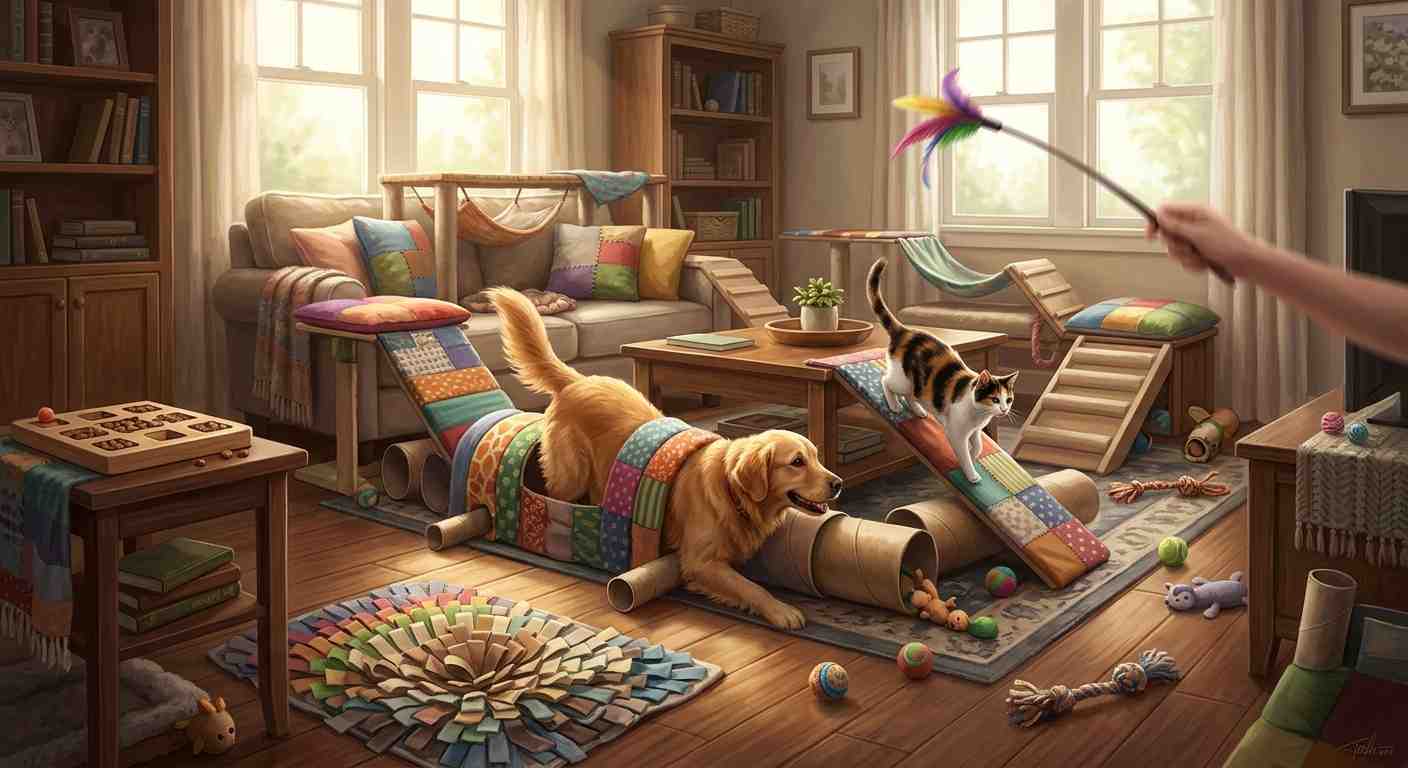
To truly unleash the "fun for pets," consider building an indoor obstacle course with household items. This guarantees pet entertainment while challenging both their bodies and minds. Couch cushions can become hurdles to jump over, blankets draped over chairs can form exciting tunnels, and strategically placed brooms can be weaving poles. Start simple, guiding your dog or cat through the course with treats and encouragement. As they gain confidence, you can increase the complexity. This kind of agility work not only provides physical exercise but also enhances their coordination, problem-solving skills, and builds a tremendous sense of accomplishment, strengthening your bond as a team.
Moreover, engaging in training sessions by teaching new tricks is a superb form of pet entertainment. Beyond basic obedience, teaching tricks like "spin," "shake a paw," or even "play dead" offers significant mental stimulation. These short, positive sessions—ideally 5-10 minutes to maintain focus—are incredibly beneficial for cognitive function and communication. The consistent learning and positive reinforcement build your pet's confidence and reinforce your bond. It's a joyful way to spend time together, showcasing their intelligence and ensuring happy pets who feel connected and engaged.
Finally, don't underestimate the power of controlled fetch in a hallway to burn off energy. While an open field is ideal for a full sprint, a long hallway can suffice for a modified version, particularly with soft, lightweight toys that won't damage furniture. Choose toys appropriate for your pet's size to avoid choking hazards and ensure they are made from non-toxic materials. For dogs, this can provide a burst of physical activity, and surprisingly, some cats also enjoy retrieving. To protect your pet's joints, especially on hard floors, keep sessions short and consider playing on rugs or carpeted areas. This simple activity can quickly turn pent-up energy into contented snoozes, ensuring happy pets even on the most indoorsy days.
Outdoor Escapades: Fresh Air, Happy Tails
As a pet parent, we all want to see our furry companions thrive, brimming with joy and vitality. And what better way to achieve this than by embracing the great outdoors? Fresh air, new sights, and stimulating scents are not just invigorating for us; they are absolutely essential for our pets' physical and mental well-being. Think of it as a natural playground, offering endless opportunities for engaging pet activities that go far beyond the confines of your home. Stepping outside transforms routine into adventure, enriching their lives in ways that indoor play simply cannot replicate.
One of the most straightforward yet impactful ways to inject excitement into your pet's life is by exploring new walking trails or visiting different dog parks. For our canine friends, a change of scenery on a walk can be an incredible sensory experience. Instead of the same old street, a woodland path offers a symphony of new smells—from damp earth to intriguing animal tracks—that engage their powerful noses and minds, making it truly fun for pets. Dog parks, on the other hand, provide a fantastic opportunity for controlled socialization, allowing dogs to interact and play with their peers under supervision, which is crucial for balanced pet entertainment and developing good canine manners.
Beyond structured walks, consider organizing playdates with other furry friends. This enhances social pet entertainment immensely, especially for younger, energetic dogs or those who might benefit from some extra canine companionship. Watching your dog chase and wrestle playfully with a buddy is a testament to the joy of healthy social interaction, building confidence and burning off excess energy in a fun, natural way. Always ensure that playmates are well-matched in temperament and size for safe and positive experiences.
For the classicists among us, nothing quite beats the joy of trying frisbee or ball-throwing as timeless dog games in an open space. These activities are phenomenal for cardiovascular health, agility, and reinforcing the bond between you and your pet. The thrill of the chase, the focused retrieve, and the pure exhilaration of running at full tilt provide unparalleled physical and mental stimulation. Just imagine a sprawling meadow where your dog can bound freely, chasing a disc and returning it to you, tail wagging furiously—that's the picture of a truly happy pet. Remember to choose appropriate toys that are safe and durable for your dog's size and chewing habits.
If you have a canine companion with a penchant for excavation, why not channel that natural instinct constructively? Setting up a dedicated digging pit in the yard can be a fantastic form of pet entertainment. Fill a designated area with sand or loose soil, perhaps burying a few favorite toys or treats for them to discover. This allows dogs to express an innate behavior in a safe and acceptable manner, preventing them from turning your prize-winning petunias into their next archaeological dig site. It's a wonderful form of mental and physical enrichment that caters directly to their natural drives, leading to genuinely happy pets.
Now, let's not forget our feline friends. While often perceived as indoor creatures, many cats can greatly benefit from supervised outdoor time, which provides unique cat enrichment. This can be achieved safely through a 'catio'—an enclosed outdoor patio or run—or by using a secure harness and leash. Imagine your indoor cat experiencing the gentle breeze on their fur, observing birds and rustling leaves, and sniffing the myriad scents carried on the air. These new stimuli provide invaluable mental stimulation, preventing boredom and enriching their lives profoundly. Always introduce harnesses gradually and ensure the outdoor environment is safe and secure, free from hazards.
Regular fetch sessions are another cornerstone of keeping energy levels up and ensuring you have happy pets, regardless of species, provided they enjoy it. While often associated with dogs, many cats also enjoy retrieving small toys, especially if it involves a bit of a chase. For dogs, consistent fetch not only provides a fantastic physical workout but also strengthens their recall and focus. It's a simple, interactive game that builds communication and trust between you and your pet, offering consistent fun for pets of all ages.
Finally, for the adventurous duo, consider going for a hike to explore new scents and sights together. A hike offers a completely different level of immersion in nature compared to a neighborhood stroll. The varied terrain, the ever-changing smells, and the expansive views provide immense mental and physical stimulation. Just be sure to choose trails appropriate for your pet's fitness level, carry plenty of water, and check for ticks afterwards. Sharing an adventure like this deepens your bond and provides unforgettable memories, ensuring truly happy pets who are both mentally and physically satisfied. Embracing these outdoor pet activities is a powerful step towards fostering a vibrant, fulfilling life for your cherished companion.
Mind Games: Puzzling Their Way to Joy
As a pet and animal welfare journalist, one of the most rewarding aspects of my work is helping owners discover simple yet profound ways to enrich their companions' lives. While physical exercise is undeniably vital, nurturing our pets' minds is equally crucial for their overall happiness and well-being. Think of it this way: a sharp mind, actively engaged, leads to a truly content pet, brimming with that infectious "happy pets" energy. Let's delve into the fascinating world of cognitive challenges and interactive "pet activities" that will have your furry friends thinking, problem-solving, and enjoying every moment.
One fantastic starting point for boosting mental stimulation and improving digestive health is to invest in puzzle feeders. These ingenious devices aren't just about slowing down speedy eaters, which can prevent issues like bloat and indigestion; they transform mealtime into an engaging mental exercise. For dogs, a classic slow-feed bowl with ridges or an interactive feeder requiring paw or nose manipulation can turn a gobble-fest into a thoughtful foraging session. Cats, too, benefit immensely from feeders that dispense kibble only after a certain action, tapping into their natural hunting instincts and providing much-needed "pet entertainment" beyond just a full bowl.
Beyond store-bought solutions, you can easily create wonderful "pet activities" right at home. DIY snuffle mats, for example, are truly excellent for encouraging natural scent work—an incredibly satisfying and mentally engaging activity for dogs. Simply hide small treats deep within the fabric strips of a homemade snuffle mat, and watch as your dog uses their incredible sense of smell to "hunt" for their reward. This type of mental engagement is not only stimulating but can also be incredibly calming for many dogs, reducing anxiety and promoting focused attention. Cats can also enjoy a simplified version, often finding tiny treats in soft fabric pockets.
Indeed, cat enrichment often revolves around harnessing their innate predatory drive. Food puzzles specifically designed for felines challenge their hunting instincts, requiring them to bat, pounce, and strategize to extract their tasty prize. Imagine a toy that mimics the erratic movement of prey, or a maze that demands careful paw work to release a treat. These "dog games" for cats provide both mental stimulation and physical exercise, helping to prevent boredom-induced mischief and promoting a healthy, active lifestyle.
And who says training has to be a chore? Teaching your dog new commands or tricks is one of the most effective and enjoyable "dog games" you can share. Beyond basic obedience, teaching tricks like "roll over," "play dead," or even more complex sequences like weaving through your legs, provides immense mental stimulation. It builds confidence, sharpens focus, and strengthens the bond you share. Each successful trick learned is a boost for their brain and a heartwarming moment for both of you, proving that learning can be incredibly fun for pets.
For a surprisingly engaging and simple brain teaser, consider introducing the classic shell game with treats. Using three opaque cups and a tasty morsel, you can challenge your pet's observation and problem-solving skills. Start by clearly showing them where the treat is hidden under one cup, then gently shuffle the cups. With practice, many dogs and even some cats become quite adept at tracking the treat, making this a delightful form of "fun for pets" that showcases their intelligence and keeps them entertained.
To ensure continuous engagement and prevent "toy fatigue," it’s vital to rotate toys regularly. Just like children, pets can become bored with the same old playthings day in and day out. By rotating a selection of toys, putting some away for a week or two and reintroducing them later, you create a sense of novelty and keep their interest piqued. This simple strategy ensures that each playtime feels fresh and exciting, contributing significantly to having "happy pets" who are always eager for the next interaction.
Finally, encourage independent problem-solving with treat-dispensing toys that require more than just a nudge. These specialized toys often demand specific manipulation—pushing buttons, spinning dials, or solving multi-step puzzles—to release the hidden reward. This provides a deep sense of accomplishment for your pet as they figure out the mechanics, offering profound "pet entertainment" and fostering cognitive development. Such interactive play is not just about getting a treat; it’s about the journey of discovery and the triumph of the mind, ensuring your furry companion remains mentally agile and joyous.
DIY Delights: Crafting for Canine & Feline Fun
As a journalist passionate about animal welfare, I've seen firsthand how a little creativity can go a long way in enriching our pets' lives. Keeping our furry friends happy and healthy isn't just about walks and meals; it's about providing stimulating pet activities that tap into their natural instincts and keep their minds engaged. You don't need expensive gadgets or elaborate setups to achieve this. Often, the most rewarding pet entertainment comes from simple, homemade solutions, proving that fun for pets can be crafted right in your living room. Let's dive into some delightful DIY projects that promise to bring endless joy and mental stimulation to your beloved canine and feline companions, ensuring truly happy pets.
One of the most satisfying ways to boost your pet's happiness is by creating simple homemade toys from everyday items. Take an old t-shirt, for instance; instead of tossing it, you can transform it into a fantastic tug toy for your dog or a playful "braided snake" for your cat to pounce on. Simply cut the t-shirt into strips, braid them tightly, and knot the ends. This not only offers a fantastic way to engage in some impromptu dog games or solo cat enrichment but also provides a safe, familiar scent that can be comforting to your pet. Similarly, empty cardboard tubes, like those from paper towels or toilet paper, can become instant tunnels for curious cats to explore or be filled with treats for a quick and rewarding puzzle for dogs. These simple yet effective creations encourage natural behaviors like chasing, pouncing, and problem-solving, contributing significantly to your pet’s overall well-being without costing a fortune.
For our feline friends, providing vertical space is paramount for optimal cat enrichment. Cats naturally love to climb and observe their surroundings from a high vantage point, which makes building a cat tree or scratching post an incredibly rewarding DIY project. You don't need advanced carpentry skills; even a basic structure made from sturdy wood planks, carpet scraps, and sisal rope can make a world of difference. Securely attach carpeted platforms at varying heights and wrap a post or two with sisal rope for irresistible scratching surfaces. This not only satisfies their instinctual need to scratch and climb, saving your furniture in the process, but also offers a personal sanctuary where they can feel safe and survey their domain. This kind of structured pet entertainment is crucial for indoor cats, helping to prevent boredom and promote physical agility.
Engaging a pet's senses beyond just sight and sound is a fantastic way to provide rich pet activities. Crafting sensory boxes with different textures offers an amazing opportunity for exploratory play. For dogs, a shallow box filled with scrunched-up newspaper, old towels, or even safe, non-toxic leaves from your garden can become a treasure hunt zone where you hide treats. Cats might enjoy a box filled with crinkly paper, fabric scraps, or small, safe toy mice, encouraging their natural hunting and foraging instincts. The varying textures provide novel tactile sensations, stimulating their brains and keeping them mentally sharp. Always ensure that the materials used are pet-safe and cannot be ingested or cause harm, transforming these simple boxes into an exciting and ever-changing landscape for discovery and fun for pets.
Licking is a naturally calming and self-soothing behavior for many animals, especially dogs. Capitalize on this by making lick mats using pet-safe spreads, which are incredibly simple yet profoundly effective for a calming and engaging experience. While you can purchase commercially made lick mats, a sturdy silicone mat or even a ceramic plate can serve the same purpose. Simply spread a thin layer of peanut butter (xylitol-free!), plain yogurt, mashed banana, or even wet food onto the surface. The intricate act of licking to get every last bit of the treat helps to release endorphins, reducing anxiety and providing a focused, peaceful activity. This is particularly useful during stressful situations like thunderstorms, grooming, or when you need a moment of quiet pet entertainment that truly contributes to happy pets.
Finally, don't underestimate the power of an empty toilet paper roll when it comes to quick dog games and mental stimulation. Upcycling these humble cardboard tubes into treat dispensers is a brilliant way to encourage problem-solving and provide rewarding pet activities. Simply fold in the ends of the empty roll, tucking a few small treats inside. Your dog will have to nudge, paw, and perhaps even gently chew the roll to release the delicious rewards. For cats, you can poke holes in the roll and let them bat it around to dispense treats. This simple puzzle encourages foraging behavior, slows down treat consumption, and provides a wonderful outlet for their natural curiosity, proving that creative pet entertainment can be found in the most unexpected places.
Social Butterflies: Playdates & Companionship
Even the most independent-seeming pet thrives on interaction and companionship. Just like us, our furry friends are social creatures at heart, benefiting immensely from engaging with others, whether they have two legs or four. Providing ample opportunities for social pet entertainment and connection isn't just about fun for pets; it's a vital ingredient for their overall well-being, helping to prevent boredom, anxiety, and unwanted behavioral issues. As a pet and animal welfare journalist, I've seen firsthand how a rich social life can transform a pet, making them more confident, adaptable, and, ultimately, a truly happy pet.
One of the most rewarding ways to boost your pet's social life is by arranging regular playdates with other vaccinated and friendly pets. For dogs, this can look like a romp in a secure, neutral park or a fenced backyard with a canine pal they already know and get along with. These aren't just chaotic get-togethers; they are essential learning experiences where dogs practice vital social cues, burn off energy in a species-appropriate way, and engage in genuine dog games. Imagine Fido learning to interpret another dog's body language or practicing respectful play bows—these are invaluable skills that reduce fear and reactivity in new situations. For our feline friends, supervised, slow introductions to another cat known to be friendly can also offer wonderful cat enrichment, stimulating their senses and providing a form of companionship that human interaction alone cannot fully replicate. Always ensure these interactions are positive and supervised, prioritizing safety and comfort for all animals involved.
Beyond casual meet-ups, structured pet activities like enrolling in obedience classes or agility training offer a fantastic blend of socialization, mental stimulation, and bonding. These aren't just for 'problem' pets; they're for *every* pet! An obedience class, for example, provides a controlled environment for your dog to learn manners around other canines and humans, fostering confidence and excellent real-world skills. Agility training, on the other hand, is a thrilling physical and mental workout, especially for high-energy breeds. It's truly inspiring to watch a previously timid dog navigate a tunnel or scale a ramp, their tail wagging with newfound purpose. These classes strengthen the unique bond between you and your companion, building a shared language and deepening mutual trust.
Expanding their horizons further, supervised trips to pet-friendly cafes or stores provide novel experiences that are incredibly beneficial for a pet's mental stimulation. Imagine your cat, safely secured in a comfortable carrier, observing the bustling world from a window seat at a pet-friendly bakery. Or your dog calmly sitting by your feet under a table at an outdoor cafe, taking in the myriad sights, sounds, and smells. These outings, when introduced gradually and positively, help desensitize pets to new environments, reducing fear and making them more resilient. It’s a wonderful form of pet entertainment that enriches their daily lives, transforming mundane walks into exciting adventures filled with sensory exploration.
When it comes to engaging dog games, don't underestimate the power of cooperative play like tug-of-war, when done correctly. Many owners shy away from tug, fearing it promotes aggression, but this is a common misconception. In fact, a well-managed game of tug can be an excellent energy burner, a fantastic motivator, and a great way to reinforce boundaries. The key is to establish rules: *you* initiate the game, *you* end it, and your dog must "drop it" on command. This teaches impulse control and strengthens your leadership, creating a fun, interactive experience that builds trust and provides significant physical and mental exercise.
For those considering extra cat enrichment, and if your living situation and lifestyle permit, consider fostering a temporary playmate. This is a significant decision and not suitable for every household, but for a truly social cat, a temporary foster kitten or another compatible adult cat can provide invaluable companionship and stimulation. Before taking this step, thorough research into animal compatibility and careful, slow introductions are paramount. This isn't just about giving a temporary home; it's about providing a social outlet that can alleviate loneliness and enrich the lives of both your resident cat and the foster.
Finally, and perhaps most importantly, remember that no amount of external socialization or structured pet activities can ever replace the vital interaction with their human family members. Ensuring ample, quality interaction with you is the cornerstone of promoting happy pets. This means dedicated playtime, gentle grooming sessions, quiet cuddle time on the couch, or simply talking to them as you go about your day. Your presence, your voice, and your loving touch are the ultimate forms of companionship and pet entertainment. These daily interactions solidify your bond, offering comfort, security, and a profound sense of belonging that makes all the other activities even more meaningful.
Age-Appropriate Agility: Fun for All Stages
As a veterinary science journalist, one of the most heartwarming aspects of my work is helping pet parents discover the joy of tailored engagement. Just like us, our furry companions benefit immensely from physical and mental stimulation, but the 'what' and 'how' of these activities beautifully evolve with their age and energy levels. It’s all about unleashing the fun in ways that are safe, enriching, and deeply satisfying for every individual pet. This isn't about setting up an Olympic obstacle course in your living room; it's about understanding and responding to your pet's unique needs, ensuring they stay healthy, happy, and entertained throughout their lives.
For our dignified senior canine companions, high-impact activities are often a thing of the past. Instead, embrace the serene joy of gentle pet activities like short sniff walks. Think of it as a scent safari! These aren't about covering vast distances but allowing your senior dog ample time to explore new smells at their own pace. A short stroll around a new block, or even a different path in your usual park, can be an incredible mental workout. For an old German Shepherd who might struggle with long walks, a 15-minute sniff-heavy exploration can be more enriching than an hour of forced marching. It’s low impact, reduces strain on aging joints, and provides immense mental stimulation, which is crucial for cognitive health, leading to truly happy pets. It’s a wonderful way to offer gentle pet entertainment without overexertion.
On the flip side, puppies are bundles of boundless energy and curiosity, learning about the world at warp speed. For them, focus on short, positive dog games that build confidence and social skills. Think 'hide and seek' with treats, gentle tug-of-war (always letting them 'win' initially to boost confidence), or introducing them to soft, varied textures. These early dog games are not just about burning off energy; they are crucial building blocks for a well-adjusted adult dog. For instance, playing recall games in a controlled environment with lots of praise helps establish a strong bond and teaches them to come when called, a fundamental life skill. Such playful interactions establish positive associations and prevent potential behavioral issues down the line, laying the groundwork for a lifetime of fun for pets.
Our feline friends, especially spirited kittens, have their own unique needs. Kittens thrive on interactive cat enrichment that mimics hunting, like feather wands. These aren't just toys; they are essential tools for satisfying a cat's innate predatory instincts in a safe, appropriate way. Imagine a tiny Persian kitten pouncing and batting at a feather wand, eyes bright with focus—that's primal joy! Using a wand toy to simulate prey movement—darting, pausing, hiding—provides incredible mental and physical exercise. This kind of targeted cat enrichment prevents boredom, reduces destructive behaviors, and strengthens the bond between you and your feline friend. Remember to let them "catch" the "prey" regularly to prevent frustration and ensure a fulfilling hunting experience.
As our beloved companions age, it’s vital to adapt playtime for older pets by using softer toys and reducing strenuous activities, ensuring fun for pets. An older Golden Retriever might not chase a frisbee for an hour anymore, but they might love gently batting a soft plush toy around or slowly retrieving a favorite squeaky ball for shorter intervals. The key is observation: watch for signs of fatigue, discomfort, or disinterest. My own elderly Basset Hound, for example, adores a plush toy that crinkles but no longer shows interest in squeaky ones—his hearing isn't what it used to be. Adjusting the type of toys and the duration and intensity of play makes all the difference in keeping them engaged and preventing injuries, providing essential pet entertainment.
For all ages and energy levels, introduce puzzle toys that don't require much physical exertion, offering gentle pet entertainment. These ingenious devices, often filled with treats, challenge your pet's mind as they figure out how to access the reward. A simple Kong stuffed with peanut butter can keep a young Terrier occupied, while a more complex sliding puzzle toy can be a fantastic brain game for an older cat or a dog recovering from surgery. They're especially brilliant for pets with mobility issues or those needing mental stimulation during bad weather. It's truly amazing to watch a pet's focused determination as they work through a puzzle; their "aha!" moment when they succeed is truly a heartwarming sight and a great source of pet activities.
Beyond play, sometimes the most profound pet activity is simply connection. Regular, gentle massages can be a calming pet activity for older animals, leading to happy pets. A slow, comforting massage can improve circulation, relieve muscle tension, and allow you to check for any new lumps, bumps, or tender spots that might indicate a health concern. It's also a powerful bonding experience. Imagine a senior Labrador, peacefully dozing as you gently rub behind their ears or stroke their back—it’s pure contentment. These moments of quiet affection contribute immensely to their overall well-being and happiness.
Finally, ensure that all these wonderful interactions happen in a supportive environment. Create a comfortable, accessible play area where all pets can enjoy their time. This might mean non-slip rugs on slick floors for older dogs, ramps to favorite couches, or easily accessible cat trees for senior felines. For younger pets, ensure the space is puppy-proofed and safe for their boundless explorations. A dedicated, comfortable space, free from hazards and easily navigable, encourages pets to engage with their toys and surroundings, fostering an environment where every pet can truly thrive and experience constant fun.
The Joy of Training: More Than Just Obedience
When we think of training our beloved companions, our minds often jump straight to basic commands like "sit" or "stay." While these foundational skills are indeed essential for safety and good manners, I’m here to tell you that training can be so much more! It’s a fantastic opportunity for "pet activities" that go far beyond mere obedience, transforming into enriching "pet entertainment" that strengthens your bond and keeps your furry friend's mind sparkling. As a journalist specializing in animal welfare, I've seen firsthand how viewing training as a joyful game, rather than a chore, unlocks incredible potential for "happy pets" and even happier owners.
Imagine the delight in your dog's eyes as they learn a new trick, or the focused intensity of your cat figuring out a puzzle. Turning training into truly engaging "pet activities" by teaching fun tricks like 'roll over' or 'high five' is a brilliant way to stimulate their minds and bodies. These aren't just parlor tricks; they require cognitive effort, coordination, and patience from both ends of the leash (or lack thereof!). For instance, teaching a 'spin' can be broken down into tiny, achievable steps, rewarded enthusiastically along the way. Your dog isn’t just performing an action; they are learning problem-solving skills, building confidence, and enjoying dedicated one-on-one time with you. It’s an investment in their mental well-being that pays dividends in their overall happiness.
One of the most effective and rewarding methods for fostering this kind of mental engagement is "clicker training." This method offers excellent mental "pet entertainment" for dogs and, surprisingly, even many cats! The clicker acts as a precise marker for desirable behavior, followed immediately by a tasty treat. This clear communication helps your pet understand exactly what they did right, speeding up the learning process and making it incredibly positive. For a shy cat, clicker training can be a fantastic way to build confidence, teaching them simple behaviors like touching a target stick or going into their carrier voluntarily. For an energetic dog, it can channel their enthusiasm into learning complex sequences or refining existing commands with impressive accuracy. It’s a language of success, building a strong foundation of trust and understanding.
Another incredibly rewarding and mentally stimulating avenue, especially for our canine companions, is "scent work dog games." Dogs experience the world primarily through their noses, and tapping into this innate ability is profoundly satisfying for them. You can start simply by hiding treats around the house or garden and encouraging your dog to sniff them out. As they progress, you can introduce specific scents, turning it into a fascinating "dog game" that hones their natural instincts. Imagine setting up a mini-search party in your living room, hiding a favorite toy or a small, yummy reward under a blanket or behind a cushion. The focus and determination they exhibit while searching, and the pure joy upon discovery, are truly heartwarming. This type of activity provides an unparalleled mental workout, often tiring them out more effectively than a long walk, contributing significantly to truly "happy pets."
And let's not forget our feline friends! The misconception that cats are untrainable couldn't be further from the truth. Teaching cats to come when called or fetch small toys provides great "cat enrichment" and busts the myth that only dogs can learn these skills. Many cats adore chasing and retrieving, and with positive reinforcement, you can easily shape this natural play into a fun interactive game. Imagine calling your cat's name, and they trot over for a reward, or batting a toy for them to bring back to you. These interactions go a long way in preventing boredom, reducing destructive behaviors, and deepening your unique bond. It’s about understanding their motivations and making the activity worthwhile for them, often involving their favorite treats or toys.
The secret sauce to all these wonderful "pet activities" is "positive reinforcement." This method makes all training fun for pets and strengthens your bond exponentially. Instead of punishing unwanted behaviors, we reward desired ones, creating a positive association with learning and with you, their trainer. A small piece of their favorite kibble, a gentle stroke, or an enthusiastic "Good job!" at the right moment can work wonders. This approach builds trust, encourages willingness, and makes the entire learning experience a joyful interaction rather than a stressful command-and-obey dynamic. Remember, you're building a partnership, not just teaching rules.
Regular short training sessions, even just 5-10 minutes a few times a day, are far more effective than one long, infrequent session. These consistent bursts of mental exercise keep their minds sharp and contribute significantly to "happy pets." Just like humans, pets benefit from routine and mental challenges. It prevents boredom, reduces anxiety, and keeps them engaged with their environment. These little training intervals are perfect opportunities to weave in some "fun for pets" throughout the day, ensuring they get both physical and mental stimulation.
Finally, for an extra twist on "pet activities," why not try creating a simple obstacle course right in your living room? Using pillows, blankets, cardboard boxes, and even an old laundry basket can transform your space into an exciting adventure zone. Encourage your dog to weave around the pillows, jump over a low blanket, or crawl through a tunnel made from a box. Even some agile cats might enjoy navigating through a carefully constructed maze! This creative "dog game" (or "cat enrichment" if your feline is adventurous!) provides physical exercise, mental problem-solving, and a whole lot of laughter. It's a fantastic way to burn off energy and explore new "pet entertainment" possibilities without even leaving the house.
In conclusion, enriching your pet's life with engaging activities is an investment in their overall well-being, fostering a happier, healthier, and more deeply bonded relationship. Whether through indoor scavenger hunts, outdoor escapades, mind-bending puzzles, creative DIY projects, social interactions, age-appropriate play, or the sheer joy of training, there are countless ways to keep your furry companions stimulated and content. Remember, a happy pet is a truly enriched pet, and by dedicating time to these varied activities, you're not just providing entertainment—you're building a lifetime of joyful memories together. So, go forth and unleash the fun!
References
- The Canine Sense of Smell. American Kennel Club. [Accessed: April 2, 2026]. Available: https://www.akc.org/expert-advice/dog-breeding/the-canine-sense-of-smell/
- 5 Smart Ways to Play Hide and Seek With Your Dog. Daily Paws. [Accessed: April 2, 2026]. Available: https://www.dailypaws.com/pet-wellness/training-behavior/dog-training-games/hide-and-seek-with-your-dog
- Laser Pointers and Cats: The Good, The Bad, and The Frustrating. The Cat Behavior Clinic. [Accessed: April 2, 2026]. Available: https://catbehaviorclinic.com/laser-pointers-and-cats-the-good-the-bad-and-the-frustrating/
- The Importance of Outdoor Exploration for Dogs. VetriScience. [Accessed: April 2, 2026]. Available: https://www.vetriscience.com/blog/the-importance-of-outdoor-exploration-for-dogs.html
- How to Take Your Dog on a Sniffari. PetMD. [Accessed: April 2, 2026]. Available: https://www.petmd.com/dog/behavior/how-take-your-dog-sniffari
- Why Play Is Important For Your Dog. Companion Animal Psychology. [Accessed: April 2, 2026]. Available: https://www.companionanimalpsychology.com/2018/06/why-play-is-important-for-your-dog.html
- The Benefits of Supervised Outdoor Access for Cats. American Humane. [Accessed: April 2, 2026]. Available: https://www.americanhumane.org/blog/the-benefits-of-supervised-outdoor-access-for-cats/
- Hiking with Your Dog: Tips for a Safe & Fun Adventure. ASPCA. [Accessed: April 2, 2026]. Available: https://www.aspca.org/news/hiking-your-dog-tips-safe-fun-adventure
- The Importance of Mental Stimulation for Dogs. VCA Animal Hospitals. [Accessed: April 2, 2026]. Available: https://vcahospitals.com/know-your-pet/the-importance-of-mental-stimulation-for-dogs
- Why a Puzzle Feeder Is the Best Bowl for Your Dog. PetMD. [Accessed: April 2, 2026]. Available: https://www.petmd.com/dog/wellness/why-puzzle-feeder-best-bowl-your-dog
- DIY Snuffle Mat for Dogs: A Step-by-Step Guide. Preventative Vet. [Accessed: April 2, 2026]. Available: https://www.preventivevet.com/dogs/diy-snuffle-mat-for-dogs-step-by-step-guide
- Why Teaching Tricks Is Good for Your Dog (and You). Good Dog. [Accessed: April 2, 2026]. Available: https://www.gooddog.com/p/why-teaching-tricks-is-good-for-your-dog-and-you
- How to Choose a Cat Tree (and why your cat needs one!). The Cat Site. [Accessed: April 2, 2026]. Available: https://www.thecatsite.com/articles/how-to-choose-a-cat-tree/
- Why Your Dog Needs a Lick Mat. Pupford. [Accessed: April 2, 2026]. Available: https://pupford.com/blogs/articles/why-your-dog-needs-a-lick-mat
- The Importance of Socialization for Puppies and Dogs. Animal Humane Society. [Accessed: April 2, 2026]. Available: https://www.animalhumanesociety.org/resource/importance-socialization-puppies-and-dogs
- The Benefits of Dog Obedience Training. American Kennel Club. [Accessed: April 2, 2026]. Available: https://www.akc.org/expert-advice/training/the-benefits-of-dog-obedience-training/
- Tug of War With Your Dog: Play It Right. VCA Animal Hospitals. [Accessed: April 2, 2026]. Available: https://vcahospitals.com/know-your-pet/tug-of-war-with-your-dog-play-it-right
- Enrichment for Dogs: It's More Than Just a Toy. PetSafe. [Accessed: April 2, 2026]. Available: https://www.petsafe.net/learn/enrichment-for-dogs-its-more-than-just-a-toy
- How to Play With Your Puppy. Purina. [Accessed: April 2, 2026]. Available: https://www.purina.co.uk/articles/puppy/play/how-to-play-with-your-puppy
- How to Play With Your Cat (and Why It's Important). American Association of Feline Practitioners. [Accessed: April 2, 2026]. Available: https://catfriendly.com/cat-care-essentials/how-to-play-with-your-cat/
- The Benefits of Massage for Your Pet. Animal Wellness Magazine. [Accessed: April 2, 2026]. Available: https://animalwellnessmagazine.com/benefits-massage-pet/
- Clicker Training for Dogs: A Beginner's Guide. The Dog People by Rover.com. [Accessed: April 2, 2026]. Available: https://www.rover.com/blog/clicker-training-for-dogs/
- Why Scent Work Is So Good For Dogs. K9 of Mine. [Accessed: April 2, 2026]. Available: https://www.k9ofmine.com/why-scent-work-is-so-good-for-dogs/
- Yes, You Can Train Your Cat! Best Friends Animal Society. [Accessed: April 2, 2026]. Available: https://bestfriends.org/stories-blog-videos/latest-news/yes-you-can-train-your-cat
- Positive Reinforcement Dog Training. ASPCA. [Accessed: April 2, 2026]. Available: https://www.aspca.org/pet-care/dog-care/common-dog-behavior-issues/positive-reinforcement-dog-training

Hey there, I’m Hannah Müller. With a background in Veterinary Science and over 7 years diving deep into pet and animal welfare journalist guiding owners on health, behavior, and ethical treatment of companion animals., I try to bring a personal touch to every piece I write—grounded, clear, and real.