Editor's brief
Baking gluten-free bread often results in dense loaves or sunken centers because GF batter behaves differently than wheat dough. Success requires specialized machine cycles, precise temperature control, and calibrated hydration to mimic the structure gluten normally provides.
#Gluten-free baking
#Bread machines
#Baking tips
#GF recipes
For parents moving to a gluten-free household, baking homemade bread often begins with frustration—loaves that emerge as dense bricks or airy shells that collapse into a sunken center. These failures usually stem from a mismatch between the chemical requirements of gluten-free flour and the mechanical cycles of a standard bread maker. Achieving a consistent rise requires a machine that recognizes the fundamental difference between traditional dough and gluten-free batter. The Mechanics of Gluten-Free Baking vs. Traditional Bread Making Traditional bread relies on gluten, a protein network that provides elasticity and traps carbon dioxide, allowing the dough to stretch and rise. Gluten-free mixtures lack this structure, resulting in a thick batter rather than a malleable dough. Because there is no gluten network to develop, traditional kneading cycles are ineffective and can even compromise the few air pockets the batter can sustain. The "sunken" effect occurs when the structural integrity of the loaf fails before it is fully set. Gluten-free bread relies on starches and binders—most notably xanthan gum, which mimics gluten's elasticity—to hold its shape. If a machine's heat profile is too aggressive too early in the cycle, air bubbles expand and collapse before the starches have solidified. Specialized gluten-free (GF) cycles mitigate this through shorter kneading times and modified temperature intervals. In effect, a GF machine must act less like a kneader and more like a pr...
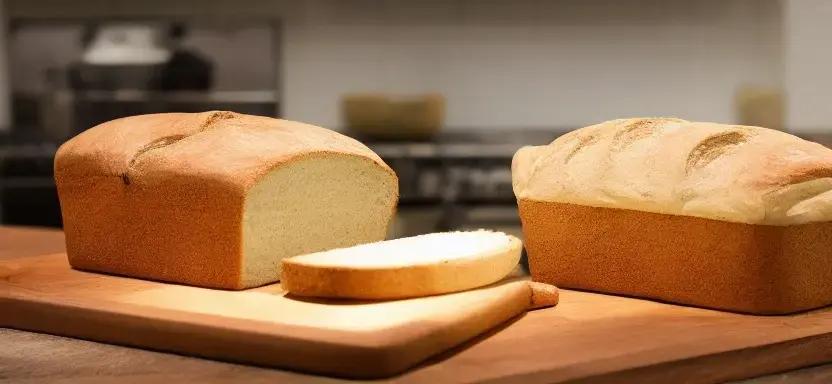
For parents moving to a gluten-free household, baking homemade bread often begins with frustration—loaves that emerge as dense bricks or airy shells that collapse into a sunken center. These failures usually stem from a mismatch between the chemical requirements of gluten-free flour and the mechanical cycles of a standard bread maker. Achieving a consistent rise requires a machine that recognizes the fundamental difference between traditional dough and gluten-free batter.
The Mechanics of Gluten-Free Baking vs. Traditional Bread Making
Traditional bread relies on gluten, a protein network that provides elasticity and traps carbon dioxide, allowing the dough to stretch and rise. Gluten-free mixtures lack this structure, resulting in a thick batter rather than a malleable dough. Because there is no gluten network to develop, traditional kneading cycles are ineffective and can even compromise the few air pockets the batter can sustain.
The "sunken" effect occurs when the structural integrity of the loaf fails before it is fully set. Gluten-free bread relies on starches and binders—most notably xanthan gum, which mimics gluten's elasticity—to hold its shape. If a machine's heat profile is too aggressive too early in the cycle, air bubbles expand and collapse before the starches have solidified. Specialized gluten-free (GF) cycles mitigate this through shorter kneading times and modified temperature intervals. In effect, a GF machine must act less like a kneader and more like a precision oven.
Critical Equipment Features for Preventing Dense GF Loaves
Specific hardware features are essential to prevent dense or uneven loaves. While a single paddle is sufficient for wheat dough, dual kneading paddles are superior for GF baking. These paddles ensure a more homogenous mixture of heavy GF flours and binders, preventing the dense pockets of unmixed flour common in homemade gluten-free bread.
Programmable crust control is also vital. Because gluten-free flours typically contain higher concentrations of sugars and starches, they brown more quickly than wheat-based breads. Machines with light, medium, and dark settings prevent the exterior from burning before the interior has reached the necessary temperature to set. Additionally, high-quality non-stick coatings are necessary, as GF batters are stickier than traditional doughs and more prone to clinging to the pan.
Precision during the proofing process—the period where the batter rises—is equally important. GF proofing is typically shorter and requires different temperature thresholds than wheat. A machine that can precisely regulate this phase prevents the batter from over-proofing, which is another frequent cause of loaf collapse.
Top-Rated Bread Machines with Specialized GF Cycles
- Zojirushi Home Bakery Virtuoso Plus: Highly regarded for its dual kneading blades, which are critical for incorporating thick binders. Its dedicated "Gluten-Free" setting manages heat and stirring intervals with high precision to prevent starch-based structures from collapsing.
- Cuisinart Compact Bread Maker (CBK-200): Ideal for smaller families or limited counter space, this model includes a specialized GF cycle tailored for smaller batches, making it an efficient choice for those who prefer fresh, small-portion loaves.
- Breville Custom Bread Maker: This machine is distinguished by its precise temperature control during "oven-spring"—the final burst of rising that occurs when the bread first hits the heat. Its GF preset is engineered specifically to eliminate sunken centers.
- Panasonic Bread Maker (GF-specific models): These units utilize high-torque motors and programs that adjust stirring speeds based on the viscosity of the GF batter, ensuring that heavier ingredients are thoroughly mixed without overworking the batter.
Optimizing Machine Settings to Eliminate Common GF Baking Failures
Even with a specialized machine, the hydration level—the ratio of water to flour—must be carefully calibrated. GF flours absorb liquids differently than wheat; too little water results in a brick-like loaf, while too much creates a gooey, undercooked center. Users should adjust liquid ratios based on the specific brand of flour and the machine's particular GF cycle.

Advanced GF cycles often incorporate a pre-heat mechanism that warms the pan before baking begins. This prevents "thermal shock" and promotes a more consistent rise from the bottom up. However, automatic settings can occasionally be limited. Because GF flour compositions vary, some loaves may remain moist in the center even after the cycle ends. In such cases, manually extending the bake time by 5 to 10 minutes can ensure a fully set crumb.
Parent-Centric Application: Efficiency and Safety
For parents managing tight schedules, the "Delay Timer" function allows the machine to complete its GF cycle in time for breakfast, reducing morning preparation stress. However, when managing a household with mixed dietary needs, the distinction between "GF-friendly" and "GF-dedicated" is critical. To avoid trace gluten contamination, which can be dangerous for those with Celiac disease, it is recommended to use a dedicated GF-only machine.

Cleanup efficiency is another practical consideration. Because GF batters leave behind a sticky residue, removable kneading paddles and dishwasher-safe pans are essential. These allow parents to maintain strict hygiene standards without extensive manual scrubbing, ensuring the kitchen remains a safe environment for those with severe gluten sensitivities.
Glossary
| Term | Description |
|---|---|
| Celiac disease | A serious autoimmune disorder where the ingestion of gluten damages the small intestine. |
| gluten | A protein composite found in wheat and related grains that provides elasticity and traps gas, allowing bread dough to stretch and rise. |
| oven-spring | The rapid increase in the volume of a loaf of bread during the first few minutes of baking, caused by the expansion of gases trapped inside. |
| proofing | The final fermentation stage of dough or battering resting and rising before it is baked. |
| xanthan gum | A polysaccharide commonly used as a food additive and binder to thicken mixtures and mimic gluten's elasticity in gluten-free baking. |

I'm Isabella De Luca from Italy. After 7 years working across topics related to travel and food storyteller showcasing immersive journeys, local cuisines, and cultural rituals around the world., I’ve discovered that the best writing comes from empathy, clarity, and a genuine desire to connect.