Editor's brief
The furniture industry evolves through sustainability, smart technology, ergonomic design, and cultural shifts. Consumers seek eco-friendly, personalized pieces. The future blends innovation and well-being.
#furniture trend
#sustainable design
#smart furniture
#ergonomic design
The furniture industry is undergoing a dynamic transformation, driven by evolving consumer preferences, technological advancements, and a heightened awareness of environmental responsibility. This article explores the key trends shaping the future of furniture design, including sustainable materials, smart technology, ergonomic aesthetics, the influence of interior design innovations, and the impact of cultural shifts. The Evolving Landscape of Home Furnishings The furniture industry is no longer a static domain of wood and fabric; it's a dynamic and rapidly evolving ecosystem undergoing a significant transformation. This evolution is fueled by a potent combination of changing consumer preferences, groundbreaking technological advancements, and a heightened global awareness of environmental responsibility [1]. Stepping into a furniture store today is akin to entering a design laboratory, where innovation and practicality converge to redefine the very essence of how we live and interact with our homes. Understanding the forces shaping this landscape is crucial for both designers and consumers alike, allowing for informed choices that align with contemporary lifestyles and future aspirations. One of the most prominent drivers of change is the shift in modern lifestyles, characterized by increasing urbanization, smaller living spaces, and a desire for flexibility. This has rendered traditional, bulky furniture increasingly obsolete. Today’s consumers demand versatility and adapt...
The furniture industry is undergoing a dynamic transformation, driven by evolving consumer preferences, technological advancements, and a heightened awareness of environmental responsibility. This article explores the key trends shaping the future of furniture design, including sustainable materials, smart technology, ergonomic aesthetics, the influence of interior design innovations, and the impact of cultural shifts.
The Evolving Landscape of Home Furnishings
The furniture industry is no longer a static domain of wood and fabric; it's a dynamic and rapidly evolving ecosystem undergoing a significant transformation. This evolution is fueled by a potent combination of changing consumer preferences, groundbreaking technological advancements, and a heightened global awareness of environmental responsibility [1]. Stepping into a furniture store today is akin to entering a design laboratory, where innovation and practicality converge to redefine the very essence of how we live and interact with our homes. Understanding the forces shaping this landscape is crucial for both designers and consumers alike, allowing for informed choices that align with contemporary lifestyles and future aspirations.
One of the most prominent drivers of change is the shift in modern lifestyles, characterized by increasing urbanization, smaller living spaces, and a desire for flexibility. This has rendered traditional, bulky furniture increasingly obsolete. Today’s consumers demand versatility and adaptability, prompting designers to fundamentally rethink traditional furniture forms and functions. The concept of "transformer furniture" has gained traction, encompassing items that can seamlessly transition between multiple uses. A sofa that converts into a bed, a coffee table that rises to become a dining table, or modular shelving systems that can be reconfigured to suit different spaces are all prime examples of this trend. These pieces not only maximize space utilization but also cater to the dynamic needs of individuals and families living in compact urban environments. The focus is on multi-functionality, lightweight construction, and easy storage, allowing individuals to optimize their living areas according to their immediate requirements. This demand for adaptability is not merely a practical consideration; it also reflects a desire for a more fluid and customizable living experience, mirroring the fast-paced nature of modern life.
Furthermore, the integration of technology into everyday objects is becoming increasingly prevalent, profoundly influencing how we interact with our living spaces. We're moving beyond simply placing electronic devices within our homes and instead integrating technology directly into the furniture itself. Smart furniture, embedded with sensors, connectivity, and automated functions, is rapidly transforming the way we live. Imagine a bed that monitors your sleep patterns and adjusts its firmness accordingly, a desk that reminds you to stand and stretch, or a mirror that provides personalized health and beauty advice. These innovations are not just about convenience; they are about enhancing our well-being and creating a more responsive and intuitive living environment. Lighting systems integrated into furniture can automatically adjust to the time of day, creating optimal conditions for work or relaxation. Wireless charging pads built into bedside tables eliminate clutter, while sound systems embedded within sofas provide immersive audio experiences. The possibilities are virtually limitless, and as technology continues to advance, we can expect even more sophisticated and integrated furniture solutions to emerge.
In parallel with these technological advancements, consumers are becoming increasingly conscious of the environmental impact of their purchases, driving demand for ethically sourced and sustainable products. The era of disposable furniture is waning, replaced by a growing appreciation for durable, responsibly manufactured pieces. This shift is prompting designers to explore innovative and eco-friendly materials, such as recycled plastics, bamboo, reclaimed wood, and plant-based fabrics. Manufacturers are also adopting sustainable production practices, minimizing waste, reducing their carbon footprint, and ensuring fair labor standards. This commitment to sustainability extends beyond the materials themselves to encompass the entire lifecycle of the product, from sourcing and manufacturing to transportation and disposal. Consumers are now actively seeking furniture that is not only aesthetically pleasing and functional but also aligned with their values. Transparency in the supply chain, certifications for sustainable materials, and a commitment to ethical manufacturing are all becoming increasingly important factors in purchasing decisions.
Finally, global events and cultural shifts exert a constant influence on the aesthetic direction of home furnishings, reflecting contemporary values and aspirations. Design trends are no longer dictated solely by industry tastemakers but are shaped by a complex interplay of social, political, and economic factors. The rise of minimalist aesthetics, for example, can be seen as a reaction to the excesses of consumerism and a desire for simplicity and functionality. Conversely, the resurgence of maximalism, with its emphasis on bold colors, patterns, and textures, reflects a desire for self-expression and individuality. Global events, such as pandemics or economic recessions, can also have a profound impact on design trends, influencing everything from color palettes to material choices. The increased focus on biophilic design, which incorporates natural elements into the built environment, reflects a growing awareness of the importance of connecting with nature for our physical and mental well-being. As our world continues to evolve, so too will the aesthetic landscape of home furnishings, constantly adapting to reflect our ever-changing values and aspirations.
Sustainability at the Forefront of Design
The future of furniture design is inextricably linked to the principles of sustainability. What was once a niche trend, appealing to a select group of eco-conscious consumers, has now solidified its position as a core consideration for designers and manufacturers worldwide [2]. The shift towards sustainable materials isn't simply a fashionable choice; it's a necessary evolution driven by growing environmental awareness and a deeper understanding of the impact our consumption habits have on the planet. No longer can the industry afford to ignore the implications of deforestation, resource depletion, and the mountains of waste generated by disposable furniture.
Designers are at the forefront of this transformation, actively seeking out and experimenting with innovative materials that minimize environmental harm. Bamboo, for instance, is rapidly gaining popularity due to its rapid growth rate and renewability, making it a far more sustainable alternative to traditional hardwoods. Recycled plastics, salvaged from ocean waste or industrial byproducts, are being ingeniously transformed into durable and aesthetically pleasing furniture pieces, diverting waste from landfills and reducing the demand for virgin plastics. Reclaimed wood, sourced from demolished buildings or fallen trees, offers a unique blend of rustic charm and environmental responsibility, giving new life to materials that would otherwise be discarded. Consider the impact: a single reclaimed wooden table represents not only a piece of furniture but also a tangible reduction in deforestation and carbon emissions. These are but a few examples, with mycelium (mushroom-based materials), agricultural waste (like rice husks and straw), and even algae-based polymers emerging as promising alternatives in the design landscape [3].
This shift towards sustainability is largely consumer-driven. People are becoming increasingly aware of the environmental and social impact of their purchasing decisions, and they are actively seeking out eco-friendly options for their homes. They are willing to invest in durable, long-lasting pieces made from sustainable materials, recognizing that these represent a better value in the long run compared to cheaper, disposable alternatives. This willingness to invest reflects a growing understanding that sustainability isn't just about protecting the environment; it's also about creating healthier, more comfortable living spaces. The demand for transparency is also on the rise; consumers want to know where their furniture comes from, how it's made, and what impact it has on the planet.
Sustainable practices extend far beyond the selection of materials; they encompass the entire manufacturing process and even the packaging used to transport furniture. Manufacturers are actively seeking ways to minimize waste, reduce energy consumption, and eliminate harmful chemicals from their production processes. This might involve investing in more efficient machinery, implementing closed-loop manufacturing systems, or sourcing materials from local suppliers to reduce transportation emissions. Packaging is also undergoing a transformation, with companies moving away from polystyrene and other non-recyclable materials in favour of cardboard, paper, and even biodegradable alternatives. The entire supply chain is coming under scrutiny, forcing manufacturers to adopt more responsible and transparent practices.
To help consumers make informed choices, various certifications and labeling initiatives are emerging to provide transparent information about the sustainability credentials of furniture products. Labels like the Forest Stewardship Council (FSC) certification, which guarantees that wood comes from responsibly managed forests, or the GREENGUARD certification, which ensures that furniture meets strict chemical emissions standards, are becoming increasingly important to consumers. These certifications provide a level of assurance that the products they are buying meet certain environmental and social standards. This increased transparency builds trust between consumers and brands, fostering a more sustainable and ethical marketplace.
Finally, the concept of circularity is gaining significant traction, influencing designers to create furniture that is not only sustainable but also designed for longevity and recyclability. This involves designing furniture that can be easily disassembled, repaired, or repurposed at the end of its life. Modular designs, which allow for easy replacement of individual components, are becoming increasingly popular, as are furniture rental and leasing programs, which encourage reuse and reduce waste. The goal is to move away from a linear "take-make-dispose" model and towards a circular economy where resources are kept in use for as long as possible, minimizing waste and maximizing value. This holistic approach to sustainability is not just a trend; it's a fundamental shift in the way we design, manufacture, and consume furniture, paving the way for a more environmentally responsible and aesthetically pleasing future for our living spaces.
Smart Furniture: Integrating Technology into Daily Life
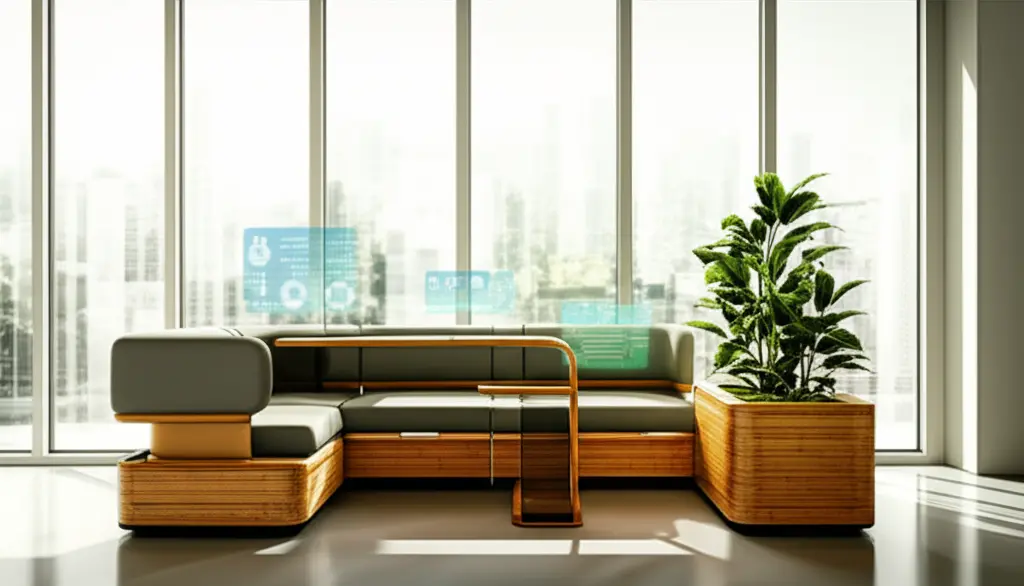
The integration of technology into our living spaces is no longer a futuristic fantasy; it's a rapidly evolving reality, and smart furniture is at the forefront of this transformation [4]. This burgeoning category offers a compelling blend of convenience, comfort, and unprecedented connectivity, redefining our relationship with the objects that furnish our homes. No longer are we simply purchasing a chair or a table; we are investing in intelligent, responsive components of a seamlessly integrated ecosystem. This shift represents a fundamental reimagining of the furniture design landscape, pushing the boundaries of what's possible and offering a glimpse into the future of how we live.
One of the most tangible manifestations of this trend is the proliferation of integrated lighting systems, wireless charging capabilities, and automated adjustments becoming increasingly commonplace in furniture design. Imagine a bedside table with a seamlessly embedded wireless charging pad, eliminating the need for cluttered cables and ensuring your phone is always ready to go. Picture a coffee table with subtle, built-in LED lighting that adjusts automatically to the ambient light, creating a cozy and inviting atmosphere. Consider a desk that can be raised or lowered at the touch of a button, promoting better posture and reducing the strain of prolonged sitting. These aren’t just fanciful concepts; they are readily available features in many modern furniture offerings, demonstrating the practical benefits of smart design. These features move beyond simple functionality to offer enhanced user experiences.
Furthermore, voice-activated control and integration with smart home ecosystems are enhancing the user experience, allowing for seamless operation and customization. Imagine controlling the lighting in your living room by simply speaking to your sofa, or adjusting the temperature of your smart mattress with a voice command. This level of interconnectedness represents a significant leap forward, transforming our furniture from passive objects into active participants in our daily routines. Smart furniture seamlessly integrates with existing smart home systems, allowing users to control a wide range of functions from a single interface. This creates a cohesive and intuitive experience, simplifying the management of our homes and freeing up our time for other pursuits. The possibilities are seemingly endless.
The true potential of smart furniture lies in its ability to adapt to individual needs and preferences, optimizing comfort and functionality. No longer are we constrained by the limitations of static designs. Smart chairs can automatically adjust their lumbar support based on the user's posture, promoting better spinal alignment and reducing back pain. Smart beds can monitor sleep patterns and adjust their firmness and temperature accordingly, ensuring a more restful and restorative night's sleep. Smart desks can track activity levels and prompt users to take breaks, promoting a healthier and more productive work environment. This level of personalization represents a paradigm shift in furniture design, empowering users to tailor their living spaces to their unique requirements.
Moreover, the ability of smart furniture to collect and analyze data offers unprecedented opportunities for personalized insights and predictive maintenance, ultimately improving the lifespan and performance of furniture. By tracking usage patterns, manufacturers can identify potential wear and tear issues before they become major problems. This allows for proactive maintenance and repairs, extending the life of the furniture and reducing the need for costly replacements. Data analysis can also provide valuable insights into user preferences, informing future design iterations and ensuring that smart furniture continues to evolve and meet the changing needs of consumers. This data driven approach leads to efficiency and long-term cost savings for consumers.
However, the integration of technology into our furniture also raises important privacy considerations. As smart furniture becomes increasingly sophisticated and interconnected, it is crucial to ensure data security and user control. Manufacturers must prioritize the development of robust security measures to protect user data from unauthorized access and misuse. Users must also have clear control over the data that is collected and how it is used. Transparency and accountability are essential to building trust and ensuring that smart furniture enhances our lives without compromising our privacy. For example, clear and concise privacy policies, easy-to-use data management tools, and strong encryption protocols are all necessary to safeguard user information. By addressing these concerns proactively, we can ensure that smart furniture remains a valuable and beneficial addition to our homes.
Ergonomic Design: Prioritizing Comfort and Well-being
In an era increasingly defined by sedentary lifestyles and a heightened awareness of personal well-being, ergonomic design principles have ascended from a niche consideration to an essential element in contemporary furniture design [5]. Ergonomics, at its core, is about creating furniture that not only looks appealing but also actively promotes physical health and overall well-being. It’s a philosophy that acknowledges the intimate relationship between humans and their environment, striving to create a harmonious and supportive interaction between the two. The principles of ergonomic design dictate that furniture should adapt to the user, rather than the user adapting to the furniture, and this ethos is revolutionizing how we approach comfort and support in our living spaces.
One of the most tangible manifestations of ergonomic design lies in the incorporation of adjustable features, lumbar support, and posture-enhancing elements in chairs, desks, and other furniture pieces. The ubiquitous office chair, for instance, has undergone a significant transformation, now frequently featuring adjustable height, armrests, and backrests, allowing users to customize the chair to their specific body type and work style. Lumbar support, a key element in ergonomic seating, provides targeted support to the lower back, helping to maintain the natural curvature of the spine and prevent back pain, a common ailment among those who spend extended periods sitting. Similarly, standing desks, gaining popularity for their health benefits, often incorporate adjustable height settings to accommodate users of different heights and promote movement throughout the workday. These features exemplify the proactive approach of ergonomic design, seeking to prevent discomfort and injury rather than simply treating them.
However, ergonomic living extends far beyond the confines of the office. The principles of comfort and support are now being applied to all areas of the home, from the living room to the bedroom. Sofas with adjustable headrests and reclining features allow for customized comfort while watching television or reading. Mattresses designed with zoned support provide targeted pressure relief for different parts of the body, promoting restful sleep and reducing morning stiffness. Even seemingly simple furniture pieces like dining chairs are being designed with ergonomic considerations in mind, featuring contoured seats and supportive backrests to enhance comfort during meals. This holistic approach to ergonomic living recognizes that our physical well-being is influenced by all aspects of our environment, and that prioritizing comfort in every area of the home can have a profound impact on our overall quality of life.
A crucial aspect of ergonomic design is the recognition that individual needs and body types vary significantly. What works for one person may not work for another, which is why personalized customization is so important. Ergonomic furniture designers strive to create pieces that can be easily adjusted and adapted to accommodate a wide range of users. This may involve offering furniture in multiple sizes, providing adjustable components, or incorporating modular designs that can be configured to meet specific needs. For example, some office chair manufacturers offer different seat sizes and back heights to ensure a proper fit for individuals of varying heights and weights. Similarly, adjustable bed frames allow users to customize the firmness and support of their mattress on each side of the bed, catering to individual sleep preferences. By taking individual needs into consideration, ergonomic design ensures that furniture provides optimal support and comfort for everyone.
The principles of ergonomics are also being applied to both static and dynamic furniture, acknowledging that our bodies require different types of support depending on our activities. Static furniture, such as chairs and sofas, are designed to provide stable and consistent support for prolonged periods of sitting or reclining. Dynamic furniture, on the other hand, is designed to encourage movement and flexibility, such as adjustable standing desks and balance ball chairs. The rise of active workstations, which incorporate treadmills or elliptical machines, represents a growing trend towards integrating movement into the workday. By addressing the needs of both sedentary and active lifestyles, ergonomic design promotes a more balanced and healthy approach to living.
Ultimately, investing in ergonomic furniture is an investment in your own well-being. While ergonomic furniture may come with a higher price tag than traditional furniture, the long-term benefits far outweigh the initial cost. Ergonomic furniture can improve productivity by reducing discomfort and fatigue, allowing you to focus on your work. It can reduce the risk of musculoskeletal disorders, such as carpal tunnel syndrome and back pain, which can lead to costly medical bills and lost work time. Most importantly, ergonomic furniture can enhance your overall quality of life by promoting comfort, reducing stress, and improving your physical health. In a world where we spend a significant portion of our lives interacting with furniture, prioritizing ergonomic design is a wise and responsible choice.
The Influence of Interior Design Innovations
The evolution of furniture design is inextricably linked to the broader trends and innovations that sweep across the landscape of interior design [6]. Far from existing in a vacuum, furniture pieces are conceived, crafted, and ultimately chosen to complement and enhance the overall aesthetic vision of a living space. The prevailing design philosophies – whether minimalist, biophilic, or maximalist – exert a powerful influence, dictating the form, color palettes, textures, and even the very materials employed in furniture creation. These interior design movements act as a constant source of inspiration and a guiding force, pushing designers to innovate and adapt their creations to meet the ever-changing demands of contemporary living. The relationship is symbiotic; advancements in furniture design, in turn, further empower interior designers to realize their visions and push the boundaries of spatial aesthetics.
One of the most significant ways interior design innovations impact furniture is through the evolving concept of the home itself. The widespread adoption of open-plan living, for instance, has created a demand for furniture that is inherently versatile and adaptable. Gone are the days of rigidly defined spaces; modern homes often feature fluid, multi-functional areas that require furniture capable of seamlessly transitioning between different roles. Think of modular sofas that can be reconfigured to suit various gatherings, coffee tables that transform into dining surfaces, or storage units that double as room dividers. This demand for adaptable furniture has fueled innovation in design, leading to more flexible and multi-purpose pieces. The modern consumer increasingly prioritizes furniture that can adapt to their changing needs and lifestyles, reflecting the dynamic nature of contemporary home life.
Biophilic design, another prominent trend in interior design, champions the integration of natural elements into the built environment. This translates into a desire for furniture that not only aesthetically complements natural surroundings but also incorporates organic materials and textures. We see this manifested in the increased use of wood, bamboo, rattan, and other sustainable resources in furniture construction. Beyond the materials themselves, designers are also drawing inspiration from nature's forms and patterns, creating pieces that mimic natural shapes, colors, and textures. For example, a coffee table might be crafted from a reclaimed tree trunk, showcasing its natural beauty, or a chair might feature a woven back reminiscent of a bird's nest. The goal is to create a sense of connection with the outdoors, fostering a calming and restorative atmosphere within the home. Furthermore, the incorporation of indoor plants alongside or within furniture is another burgeoning trend, blurring the lines between the natural and built environments.
In stark contrast to minimalism, the maximalist aesthetic – with its bold colors, layered patterns, and eclectic collections – also profoundly influences furniture design. While seemingly disparate, both design philosophies drive innovation, albeit in different directions. Maximalism calls for furniture that is not only functional but also visually striking and expressive. Think of brightly upholstered sofas in vibrant hues, intricately carved wooden chairs, or statement pieces adorned with bold geometric patterns. These pieces are not merely functional objects; they are conversation starters, adding personality and character to a space. Maximalist design empowers individuals to embrace their unique style and preferences, leading to a greater emphasis on personalized and customized furniture.
Personalization and customization are, in fact, key trends driving the future of furniture design, irrespective of the overarching aesthetic. Consumers are increasingly seeking furniture that reflects their individuality and caters to their specific needs and tastes. This demand has fueled the rise of bespoke furniture design, allowing individuals to collaborate with designers to create truly unique pieces. Furthermore, technological advancements are playing a crucial role in enabling this level of personalization. Online platforms now offer virtual design tools that allow customers to visualize and experiment with different furniture styles, colors, and materials before making a purchase. Augmented reality (AR) apps allow users to virtually place furniture in their homes, enabling them to assess its fit and aesthetic compatibility before committing to a purchase. These technological tools empower consumers to actively participate in the design process, ensuring that their furniture perfectly reflects their personal style and preferences. In essence, interior design innovations and furniture design go hand in hand, continuously influencing and inspiring each other to create more functional, beautiful, and personalized living spaces.
Furniture Design Trends and Cultural Shifts
Furniture design, far from being a static discipline, acts as a dynamic mirror, reflecting the ever-evolving tapestry of our cultural and societal shifts [7]. These trends aren't born in a vacuum; they germinate from our collective needs, aspirations, and the very spaces we inhabit. Understanding this fundamental connection is crucial for both designers and consumers seeking to create living spaces that are not only aesthetically pleasing but also deeply resonant with the contemporary human experience.
One of the most significant drivers of change is the relentless march of urbanization. As populations concentrate in urban centers, living spaces inevitably shrink, giving rise to an unprecedented demand for furniture that is both space-saving and multi-functional. Gone are the days of bulky, single-purpose pieces. Today's urban dweller seeks ingenious solutions: think sofa beds that seamlessly transition from lounging areas to sleeping quarters, coffee tables with hidden storage compartments, and modular shelving systems that adapt to evolving needs. This trend transcends mere practicality; it embodies a desire to maximize the potential of limited square footage, transforming compact apartments into efficient and stylish homes. Consider the popularity of wall-mounted desks that fold away when not in use or dining tables that can be extended to accommodate larger gatherings – these designs are not just convenient; they are essential for thriving in the modern urban landscape.
Another profound cultural shift shaping furniture design is the rise of remote work. The traditional office setup is increasingly being replaced by the home office, transforming our dwellings into multifunctional environments. This necessitates furniture solutions that are both adaptable and comfortable, catering to the demands of both work and leisure. The dining room table, once reserved for meals, may now serve as a makeshift desk, highlighting the need for ergonomic chairs that provide adequate support for extended periods of sitting. The living room sofa, previously a space for relaxation, might now be used for virtual meetings, demanding designs that are both stylish and conducive to productivity. This blurring of boundaries requires a thoughtful approach to furniture selection, prioritizing pieces that can seamlessly transition between different roles throughout the day. For example, adjustable-height desks allow for both sitting and standing work positions, promoting better posture and overall well-being, while modular sofas can be reconfigured to create distinct work and relaxation zones within the same space.
Furthermore, a growing emphasis on wellness and self-care has profoundly influenced furniture design. Consumers are increasingly seeking furniture that promotes relaxation, rejuvenation, and overall well-being. This trend manifests in various ways, from the incorporation of natural materials like wood and bamboo to the design of furniture that encourages mindful practices. Ergonomic chairs designed to support proper posture, meditation cushions that promote stillness and tranquility, and sensory-friendly furniture with soft textures and muted colors are all examples of how furniture design is responding to the growing demand for wellness-enhancing environments. The rise of "comfortcore" aesthetics, prioritizing plush seating, warm lighting, and soothing color palettes, further underscores this shift towards creating spaces that prioritize relaxation and mental well-being.
Globalization, too, plays a significant role in shaping contemporary furniture design. The free flow of ideas and influences across borders has led to a fusion of design styles, resulting in eclectic and globally inspired furniture that reflects the rich diversity of human culture. Scandinavian minimalism might be blended with Japanese wabi-sabi principles, resulting in furniture that is both functional and aesthetically pleasing. Moroccan-inspired patterns might adorn contemporary sofas, adding a touch of exotic flair to modern living spaces. This cross-cultural pollination results in furniture that is not only visually appealing but also tells a story, reflecting the interconnectedness of our world. The increasing accessibility of handcrafted furniture from around the globe allows consumers to curate spaces that are truly unique and reflective of their personal tastes and experiences.
Finally, we cannot underestimate the power of social media and online platforms in shaping furniture design trends and influencing consumer preferences. Platforms like Instagram, Pinterest, and Houzz serve as virtual showrooms, showcasing the latest designs and allowing consumers to discover new styles and ideas. Influencers and design bloggers play a crucial role in shaping consumer tastes, highlighting emerging trends and providing inspiration for home decor. This digital landscape has democratized access to design information, empowering consumers to make more informed choices and curate spaces that are truly reflective of their personal style. The speed at which trends emerge and dissipate in the digital age also forces furniture designers to be agile and responsive, constantly innovating to stay ahead of the curve. The use of augmented reality (AR) apps that allow consumers to virtually place furniture in their homes before making a purchase further underscores the transformative power of technology in shaping the future of furniture design.
Conclusion
The future of furniture design is being shaped by a confluence of factors, including the demand for sustainability, the integration of smart technology, the prioritization of ergonomic principles, the influence of interior design trends, and the impact of cultural shifts. As consumers become more conscious of their environmental impact, seek greater convenience and personalization, and prioritize their well-being, the furniture industry must adapt to meet these evolving needs. By embracing innovation and prioritizing sustainability, technology, ergonomics, and cultural relevance, designers and manufacturers can create furniture that not only enhances our living spaces but also improves our lives. Consider these trends when furnishing your home to create a space that is both stylish and functional, reflecting your values and aspirations. Explore sustainable materials, embrace smart technologies, and prioritize ergonomic designs to create a living environment that is both comfortable and conducive to a healthy lifestyle.
References
-
N. N. Thawdar and K. M. Khaing, "Development of furniture industry in myanmar," 2017 2nd International Conference on Information Technology (INCIT), Yangon, Myanmar, 2017, pp. 1-5, doi: 10.1109/INCIT.2017.8257806.
-
A. M. Witek-Krowiak, A. P. Adamczyk, and S. Hejna, "The role of circular economy in the furniture industry based on the example of enterprises operating in poland," Sustainability, vol. 13, no. 15, p. 8538, 2021.
-
Camere, S.; Wågberg, A.; Johansson, P.; Sandin, G. The Potential of Agricultural Residues as Sustainable Resources for Furniture Production. Sustainability 2020, 12, 4784.
-
Lee, S.J.; Han, S.H.; Lee, D.W.; Kwahk, J.I.; Park, S.H.; Ryu, S.H.; Hong, H.K.; Kim, H.G. Smart Furniture Design Based on User Experience. Appl. Sci. 2021, 11, 5268.
-
Bridger, R.S. Introduction to Ergonomics; CRC press, 2017.
-
Marin, M.; Pachner, S.; Teppner, R. Interior Design and the Circular Economy—A SWOT Analysis on Implementing Circular Design Strategies. Sustainability 2023, 15, 13277.
-
Choi, J.; Kim, J. The Impact of Social Media on Furniture Purchasing: The Moderating Effect of Consumer Innovativeness and Social Influence. Sustainability 2023, 15, 11827.

Hi! Elena Novak here. My background in Interior Architecture and my experiences over 13 years have made me deeply engaged with home and lifestyle writer who helps readers design comfortable, functional, and beautiful spaces on realistic budgets.. I write to share perspectives, spark ideas, and make complex topics feel human.