Editor's brief
Compact living often feels restrictive, but biophilic design transforms small apartments into restorative sanctuaries. By integrating natural light, vertical greenery, and organic materials, residents can reduce stress and create a home that actively supports mental well-being through a multi-sensory connection to nature.
#Biophilic design
#small spaces
#interior wellness
#home decor
Living in a compact home often feels like a constant compromise between functionality and comfort. When square footage is limited, the environment can start to feel restrictive, potentially impacting your mood and energy. Biophilic interior design offers a way to resolve this tension. Rather than treating nature as a mere decorative addition, this approach integrates the patterns, materials, and sensations of the natural world to transform a small apartment into a restorative sanctuary that actively supports mental well-being. The Biophilic Blueprint: Assessing Your Space Before introducing new elements, it is helpful to view biophilic design as a holistic practice. While many people equate this simply with adding houseplants, true biophilic design is about creating a multi-sensory connection to nature through light, organic textures, and spatial flow. To ensure your additions enhance the room rather than clutter it, start with these two prerequisites: Conduct a Light Assessment: Identify the "light zones" of each room. A practical method is the "book test": if you can comfortably read a physical book in a specific spot without a lamp during the day, that area is suitable for medium-to-high light plants. Areas where reading is difficult are your low-light zones. Map Your Vertical Real Estate: In small homes, floor space is the most precious commodity. Instead of looking at the floor, map out your walls, ceilings, and high shelving. Prioritizing vertical space ensures the room...
Living in a compact home often feels like a constant compromise between functionality and comfort. When square footage is limited, the environment can start to feel restrictive, potentially impacting your mood and energy. Biophilic interior design offers a way to resolve this tension. Rather than treating nature as a mere decorative addition, this approach integrates the patterns, materials, and sensations of the natural world to transform a small apartment into a restorative sanctuary that actively supports mental well-being.
The Biophilic Blueprint: Assessing Your Space
Before introducing new elements, it is helpful to view biophilic design as a holistic practice. While many people equate this simply with adding houseplants, true biophilic design is about creating a multi-sensory connection to nature through light, organic textures, and spatial flow. To ensure your additions enhance the room rather than clutter it, start with these two prerequisites:

- Conduct a Light Assessment: Identify the "light zones" of each room. A practical method is the "book test": if you can comfortably read a physical book in a specific spot without a lamp during the day, that area is suitable for medium-to-high light plants. Areas where reading is difficult are your low-light zones.
- Map Your Vertical Real Estate: In small homes, floor space is the most precious commodity. Instead of looking at the floor, map out your walls, ceilings, and high shelving. Prioritizing vertical space ensures the room remains breathable and uncluttered.
Treating a room as a three-dimensional canvas allows nature to be woven into the architecture. This shift in perspective prevents the space from feeling like a storage area for plants and instead makes it feel like an intentional, living environment.
Maximizing Natural Light in Compact Rooms
Light is the primary driver of the biophilic experience. In a compact setting, the goal is to maximize the reach and quality of available daylight, which opens up the space and sustains indoor life.
To optimize your lighting, implement the following actions:

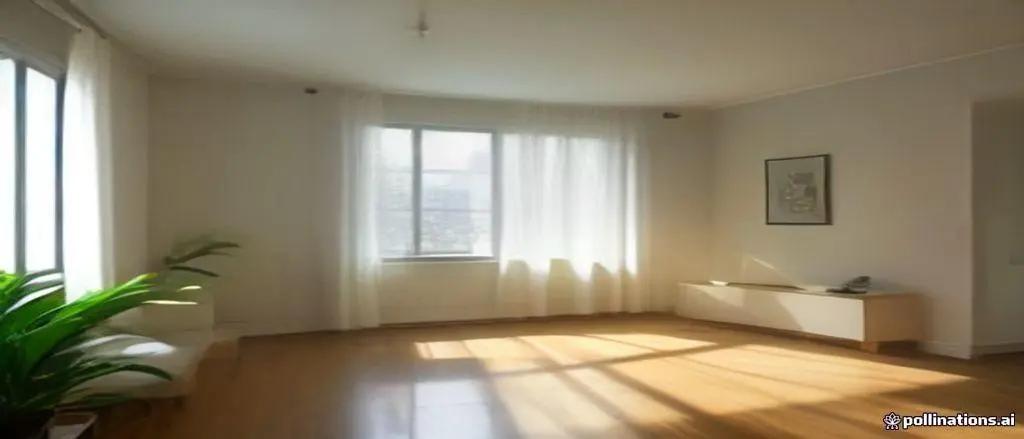
- Update Window Treatments: Replace heavy, dark curtains with sheer fabrics. This allows a soft, natural glow to permeate the room while maintaining necessary privacy.
- Clear the Pathways: Rearrange furniture to ensure light is not blocked. Move high-backed sofas or tall bookshelves away from window frames to eliminate deep, oppressive shadows.
- Use Reflective Surfaces: Position mirrors opposite or adjacent to windows. This reflects daylight deeper into the room, effectively doubling the perceived light and creating an illusion of increased square footage.
For interior hallways or windowless rooms, consider "circadian lighting"—artificial lights that mimic the color temperature and intensity of the sun throughout the day. This helps regulate sleep patterns and mood when a window is unavailable. Prioritizing light first ensures that any greenery you add later will thrive rather than struggle.
Strategic Greenery: Styling Without the Clutter
The challenge of adding plants to a small home is achieving vibrancy without creating a sense of overcrowding. The key is to move away from scattered pots and toward intentional placement.
Implement vertical gardening by using floating rattan shelves, ceiling-mounted macramé hangers, or prefabricated living walls. This draws the eye upward and keeps walkways clear. When selecting species, prioritize low-maintenance plants suited for indoor life:
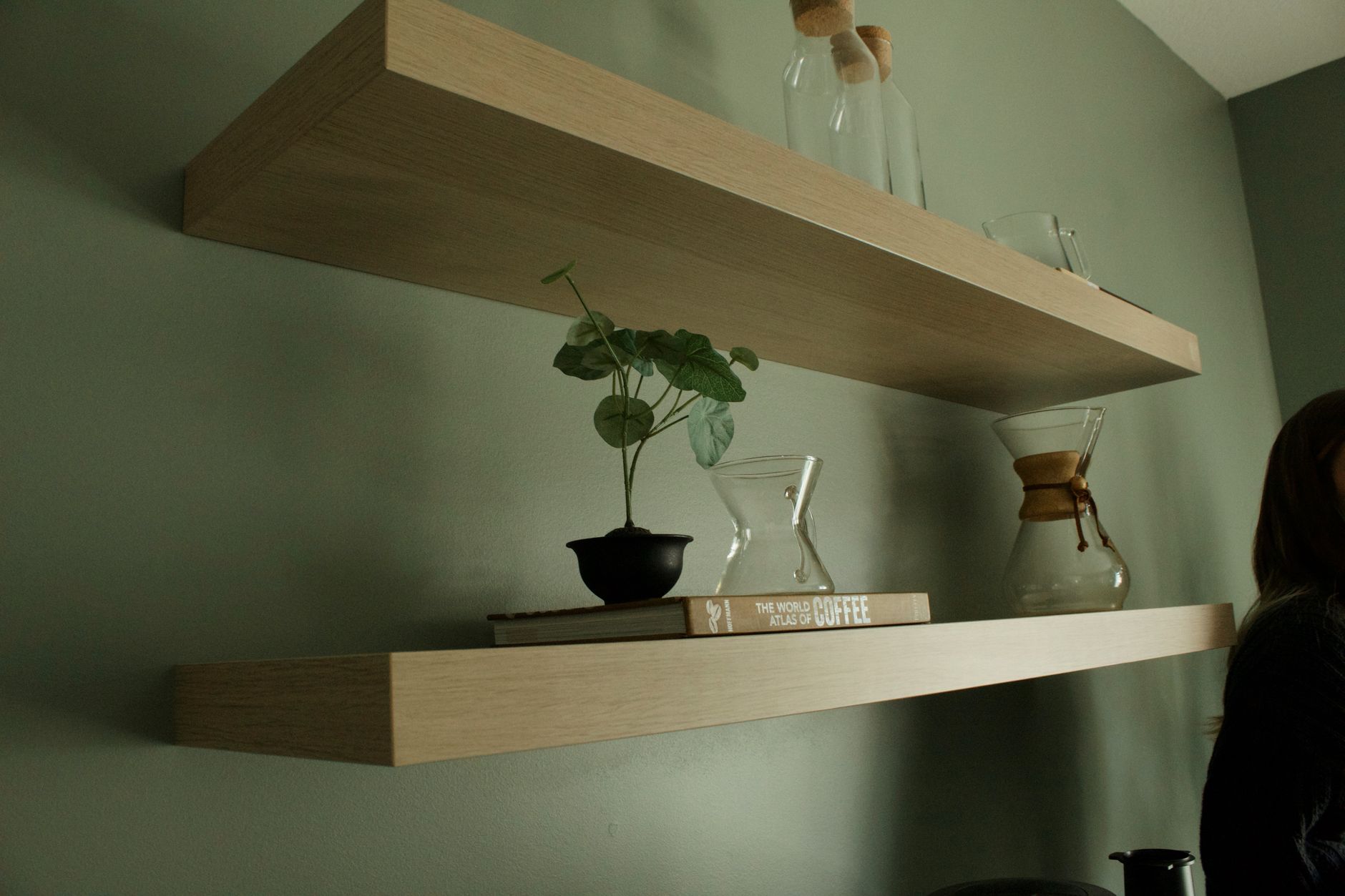
- Snake Plants (Sansevieria): Highly resilient and ideal for low-light corners.
- ZZ Plants (Zamioculcas zamiifolia): Extremely hardy and thrives with minimal watering.
- Pothos (Epipremnum aureum): Perfect for trailing from high shelves to create a "canopy" effect.
- Peace Lilies (Spathiphyllum): Excellent for adding lush, broad foliage to shaded areas.
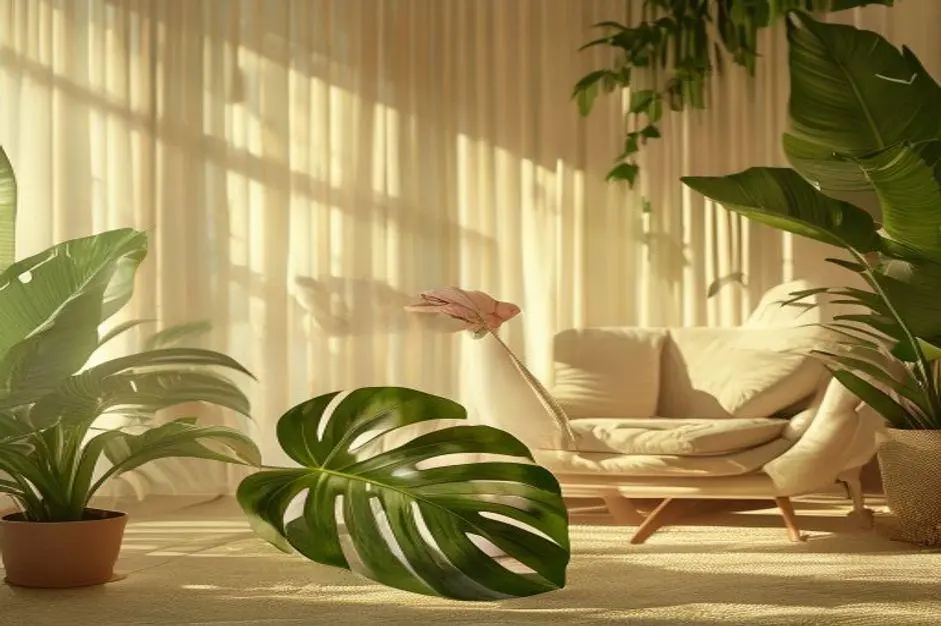
To create a professional look, arrange plants in "clusters" with varying heights and leaf shapes. This mimics the organic layering found in nature, making the greenery feel like a cohesive part of the design. In areas with zero light, such as a windowless bathroom, high-quality faux greenery can provide the psychological benefits of visual nature without the risk of plant failure.
Tactile Nature: Materials and Color Palettes
Biophilic design extends beyond the visual to the tactile. Replacing synthetic, glossy plastics with organic materials introduces a warmth that makes a small space feel more grounded and less sterile.
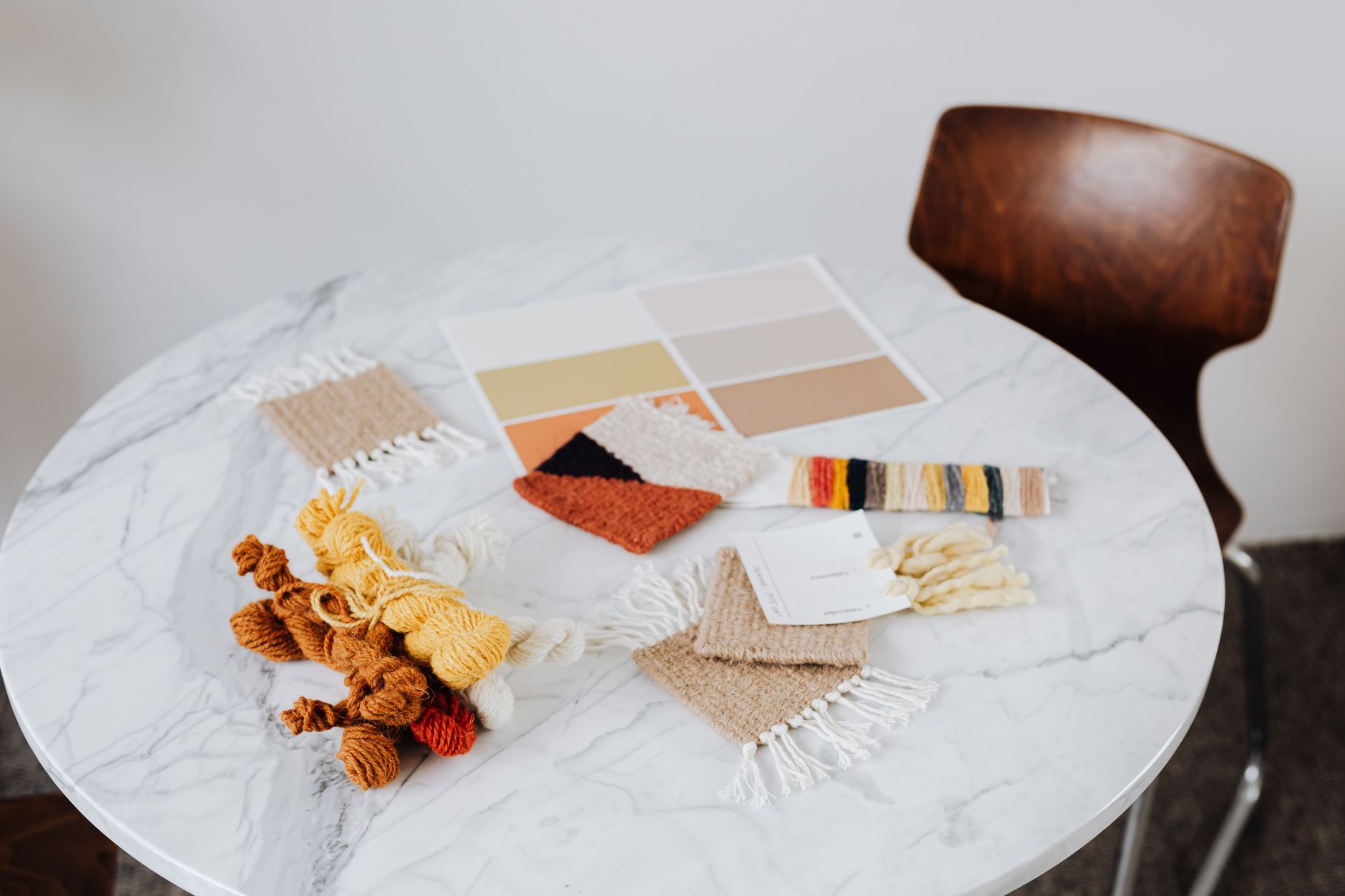
Focus on these material and color strategies:
- Material Swaps: Integrate wood, stone, rattan, jute, linen, and wool. Small changes, such as a jute rug or linen throw pillows, shift the sensory energy of a room toward the natural.
- Earth-Toned Palette: Use soft greens, deep blues, and warm browns for walls or accent textiles. These hues create an immediate psychological bridge to the outdoors.
- Biomorphic Forms: Choose furniture and decor with curves and organic shapes rather than sharp, geometric lines. These fluid forms are generally perceived as more calming and less aggressive in a tight space.
For those on a budget, full renovations are not necessary. Affordable accents like woven cane baskets or raw ceramic vases provide the texture needed to break up the rigidity of modern apartment finishes, proving that the sensory quality of a room is often more vital for comfort than the actual square footage.
Sensory Layers: Beyond the Visual
To fully transform a home, you must engage the senses of smell, sound, and touch. A purely visual approach to nature is often insufficient for full stress reduction.
Deepen the connection to nature with these layers:

- Olfactory Cues: Use essential oil diffusers with cedar, pine, or jasmine. These scents can evoke a forest or garden, triggering a relaxation response.
- Auditory Elements: Small indoor water fountains or ambient nature sounds can mask urban noise. The sound of flowing water is particularly effective at lowering heart rates.
- Spatial Balance: Balance "Prospect" and "Refuge." Prospect refers to open views that provide a sense of awareness, while Refuge consists of cozy, enclosed nooks—like a reading chair in a quiet corner—that provide a sense of safety.
- Tactile Touchpoints: Incorporate natural-material fixtures into your daily routine, such as a wooden lamp base or a stone coaster.
By layering these elements, the home becomes a sensory tool for regulation. This multi-sensory approach is what separates a "decorated" room from a truly restorative environment.
The Nature-Proof Checklist: Results and Maintenance
When implemented correctly, biophilic design improves mood, reduces stress, and boosts cognitive focus. However, the sustainability of these benefits depends on avoiding common maintenance pitfalls.
Common Mistakes to Avoid:
- The "Plant Count" Mindset: Avoid focusing solely on the number of plants. A room with one healthy, thriving plant is more restorative than a room filled with struggling ones.
- Aesthetics over Biology: Never choose a plant based on its appearance alone. Placing a high-light plant in a dark corner leads to frustration and waste.
Safety and Maintenance Tips:
- Secure Your Installations: Ensure all hanging planters and vertical shelves are anchored to wall studs. Be mindful of "saturated weight"—soil and water make pots significantly heavier than they appear when dry, which can cause wall damage or injury if not properly supported.
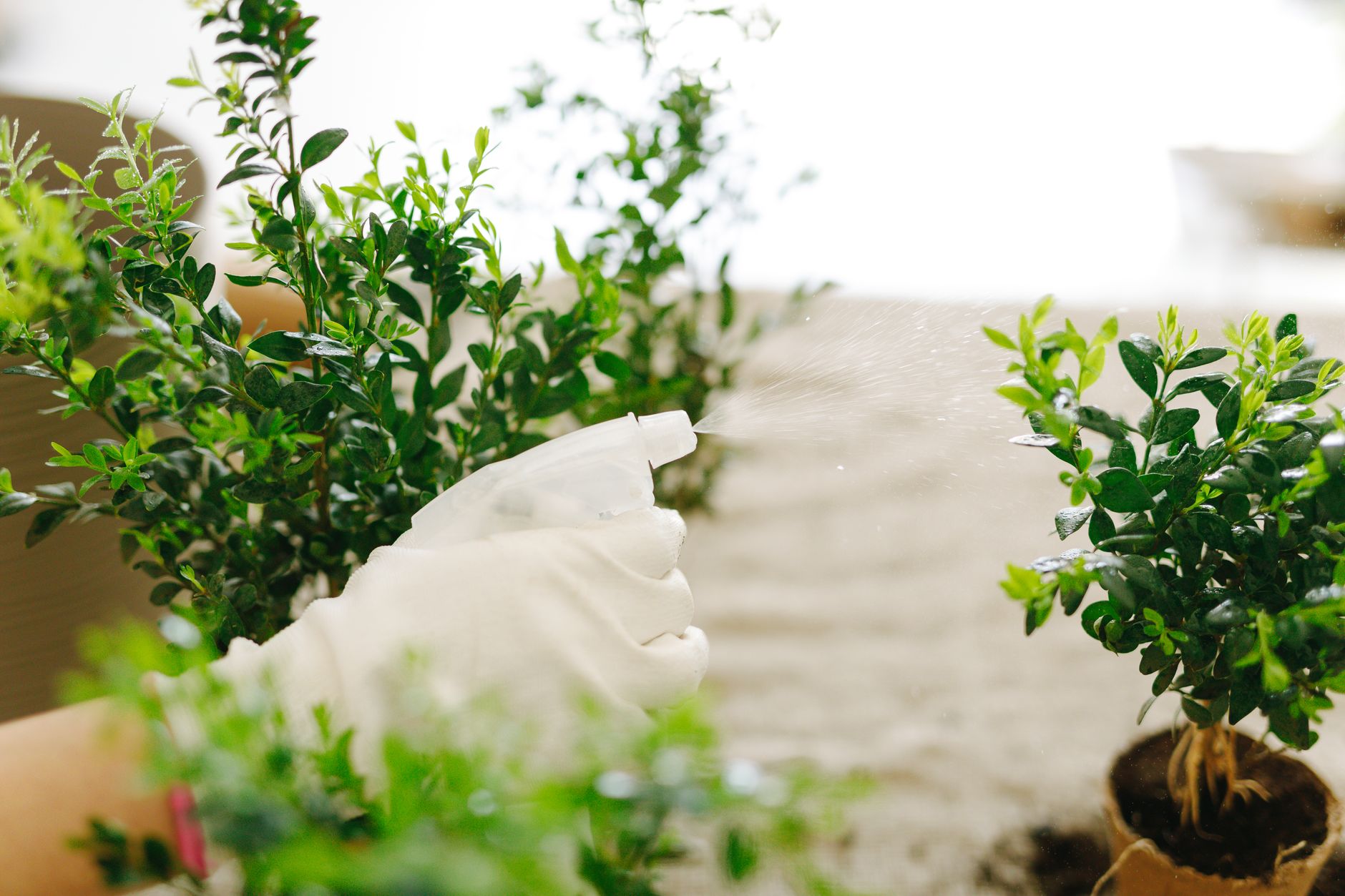
- Simplify Watering: To avoid the stress of complex schedules, use automated self-watering pots or establish a consistent 1-to-3 week cycle for low-light species.
By shifting the focus from simple decorating to "ecosystem building," you can create a compact living space that doesn't just look natural, but feels restorative every time you step inside.

Hi! Elena Novak here. My background in Interior Architecture and my experiences over 13 years have made me deeply engaged with home and lifestyle writer who helps readers design comfortable, functional, and beautiful spaces on realistic budgets.. I write to share perspectives, spark ideas, and make complex topics feel human.