Editor's brief
Indoor gardening succeeds when plants are matched to the specific light and humidity of a home rather than aesthetic trends. Prioritizing root health, observing biological cues, and selecting pet-safe species transform a living space into a sustainable sanctuary that requires less chore and more enjoyment.
#Indoor Gardening
#Plant Care
#Home Decor
#Biophilic Design
Integrating greenery into a home is more than a decorating choice; it is a functional decision. We often select plants based on how they appear in a curated shop window, forgetting that they are living elements with specific biological requirements. When a plant is mismatched with its environment, the result is often a cycle of frustration. By shifting our perspective from simple decoration to mindful indoor gardening, we can create spaces where both the inhabitants and the foliage thrive. Selecting Plants for Your Space A frequent mistake in home decorating is the impulse purchase of a stunning plant that is fundamentally incompatible with the room it inhabits. To avoid this, map the light patterns of a room throughout the day. In the Northern Hemisphere, south-facing windows provide the intense, direct sun that succulents and cacti crave, while north-facing rooms offer the soft, consistent light suited for ferns or peace lilies. Placing a high-light plant in a dim corner leads to etiolation, where the plant stretches its stems in a search for light, distorting its natural silhouette. Matching a plant to your personal schedule is as vital as matching it to the light. There is a profound difference between the needs of a finicky Calathea, which may react poorly to tap water minerals, and the resilience of a ZZ plant. For those who travel or prefer a low-maintenance routine, selecting species that thrive on neglect is a practical strategy. A home should be a place of restorati...
Integrating greenery into a home is more than a decorating choice; it is a functional decision. We often select plants based on how they appear in a curated shop window, forgetting that they are living elements with specific biological requirements. When a plant is mismatched with its environment, the result is often a cycle of frustration. By shifting our perspective from simple decoration to mindful indoor gardening, we can create spaces where both the inhabitants and the foliage thrive.
Selecting Plants for Your Space
A frequent mistake in home decorating is the impulse purchase of a stunning plant that is fundamentally incompatible with the room it inhabits. To avoid this, map the light patterns of a room throughout the day. In the Northern Hemisphere, south-facing windows provide the intense, direct sun that succulents and cacti crave, while north-facing rooms offer the soft, consistent light suited for ferns or peace lilies. Placing a high-light plant in a dim corner leads to etiolation, where the plant stretches its stems in a search for light, distorting its natural silhouette.
Matching a plant to your personal schedule is as vital as matching it to the light. There is a profound difference between the needs of a finicky Calathea, which may react poorly to tap water minerals, and the resilience of a ZZ plant. For those who travel or prefer a low-maintenance routine, selecting species that thrive on neglect is a practical strategy. A home should be a place of restoration, not a source of additional chores.
Beginners can build confidence by starting with "bulletproof" varieties like the snake plant or pothos. These plants are forgiving of irregular watering and wide lighting variances. The snake plant, in particular, is efficient at converting carbon dioxide into oxygen at night, making it a functional choice for bedrooms.
Safety is a primary consideration when the household includes pets. Many popular choices, such as the Monstera deliciosa or various lilies, contain calcium oxalate crystals or other toxins that can cause oral irritation or kidney failure in animals [1]. Utilizing the ASPCA’s toxic and non-toxic plants database ensures that a design choice does not become a veterinary emergency. Spider plants and Calatheas offer a lush atmosphere without the risk to curious cats or dogs.
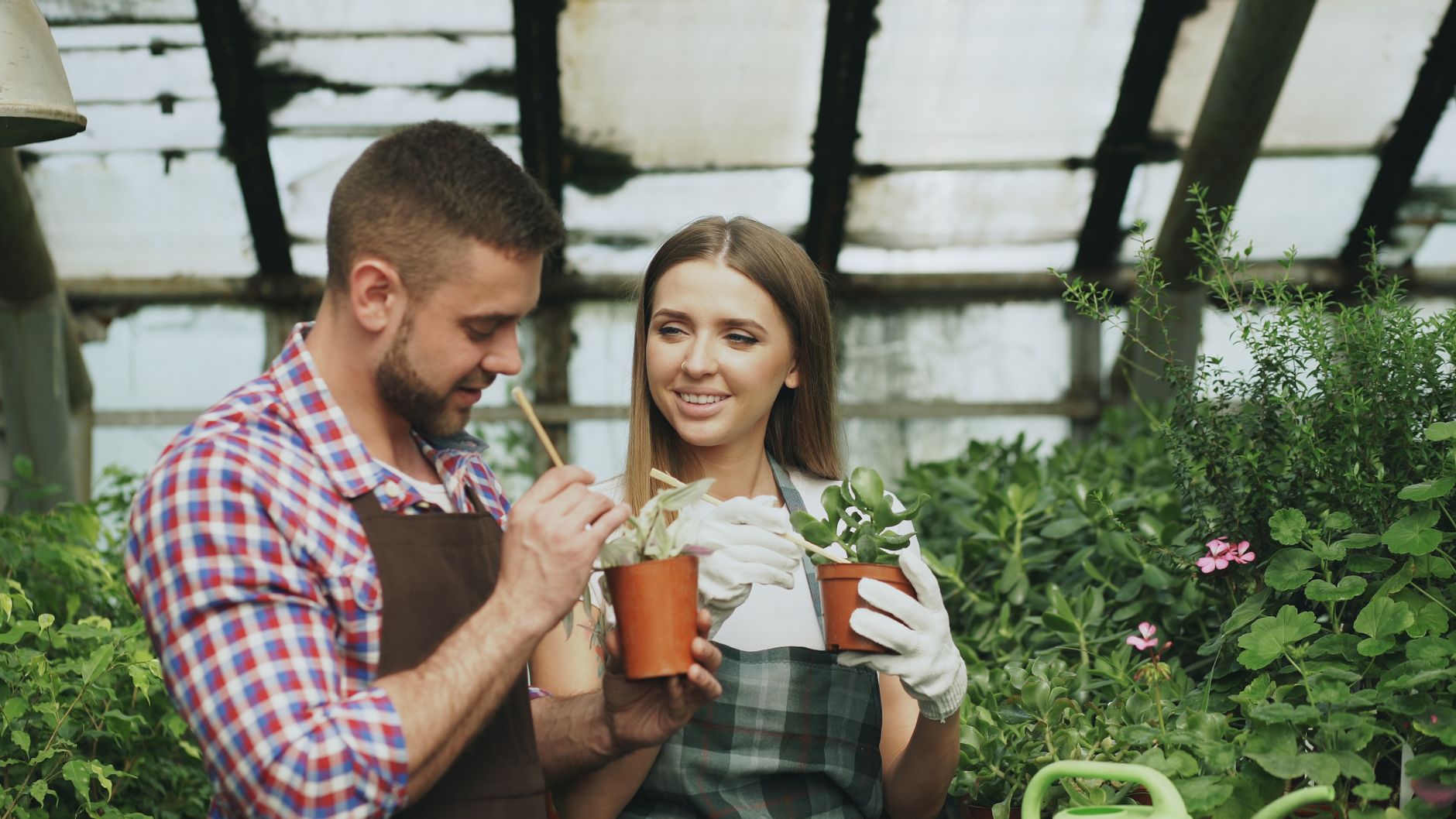
Finally, consider the future dimensions of your greenery. A fiddle-leaf fig may look proportional on a side table today, but it can eventually dominate a room's circulation path. Planning for the adult size—whether a plant grows vertically, trails downward, or spreads horizontally—prevents the living area from feeling cluttered.
The Art of Hydration
Watering is often treated as a calendar chore, but plants do not operate on human schedules. Following a rigid "once a week" rule ignores variables like humidity and temperature. The most reliable tool for plant maintenance is a finger; pushing it two inches into the soil allows you to feel the actual moisture level at the root zone, rather than relying on the surface, which dries out quickly while the bottom of the pot may remain saturated.
This tactile approach is essential because watering needs are species-specific. A Sansevieria stores water in thick leaves and prefers its soil to dry out completely, whereas a Peace Lily requires consistent moisture to prevent drooping. Treating every plant with the same volume of water risks root rot in some and dehydration in others.
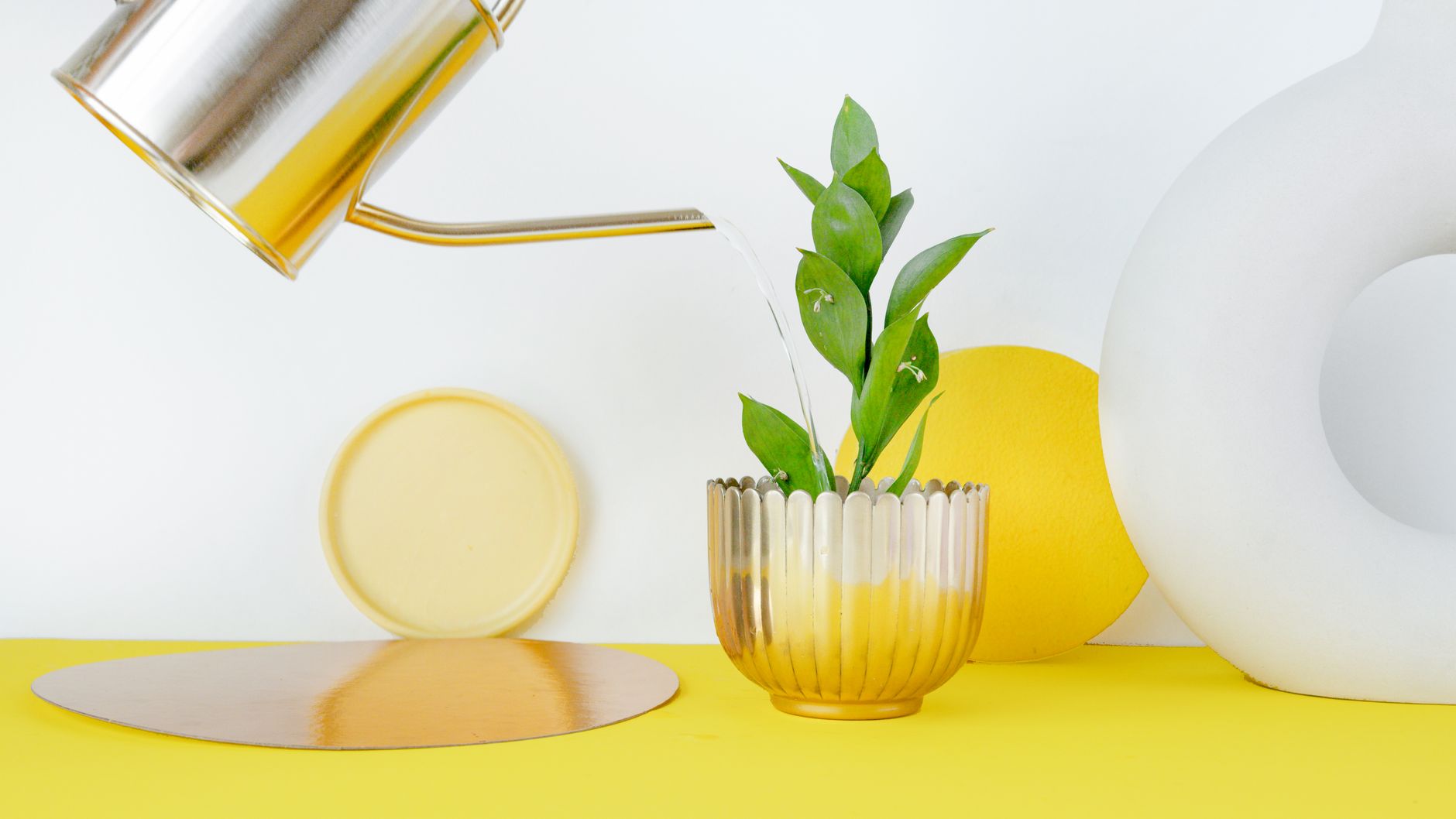
The physical vessel is as important as the water itself. A pot without drainage holes traps water, cutting off oxygen to the roots and inviting anaerobic bacteria. To balance aesthetics with function, place a plastic nursery pot with ample drainage inside a decorative ceramic cachepot. This allows excess water to be easily poured out, ensuring roots never sit in standing water.
Precision in application also matters. Directing water toward the soil rather than splashing the foliage reduces the risk of fungal infections. Many tropical plants are susceptible to crown rot if water pools in the center of the leaf rosette. Additionally, water quality can impact health; sensitive species like Dracaenas often develop brown tips due to chlorine and fluoride in municipal tap water. Using filtered or distilled water mimics the rainwater these plants receive in nature.
Environmental shifts dictate a change in rhythm during winter. As daylight decreases, most indoor plants enter dormancy and absorb significantly less water. Reducing watering frequency during colder months prevents root decay as evaporation slows.
Mastering Light and Atmosphere
It is easy to confuse "bright light" with "direct sunlight." In a home, the most coveted real estate is bright indirect light—a space where the plant can see the sky but not the sun itself. This is typically found a few feet back from a south-facing window. Low light is not a dark room, but rather a space where light is filtered, such as a north-facing corner. Misplacing a light-hungry Ficus in a dim corridor will result in premature leaf drop as the plant fails to find enough energy.
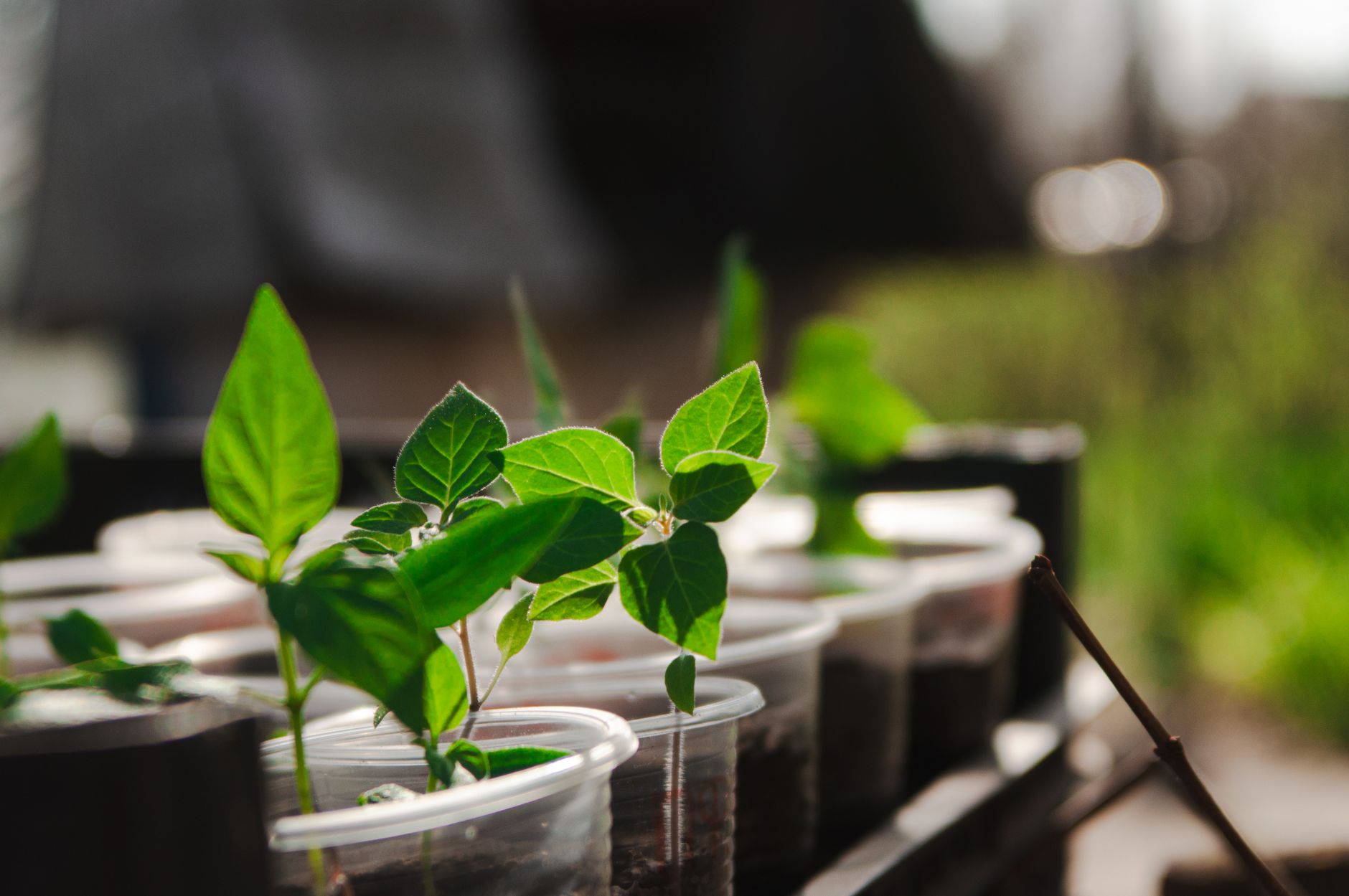
Plants exhibit phototropism, causing them to grow toward their light source. To prevent an asymmetrical silhouette and weak stems, give the pot a quarter-turn every week. This ensures all sides of the foliage receive equal exposure, keeping the growth dense and upright.
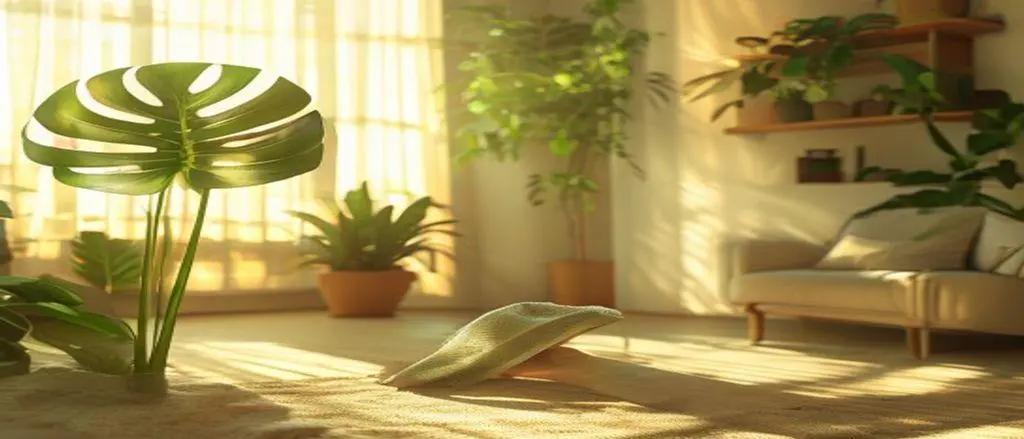
The efficiency of light absorption is often hindered by household dust. A thick layer of particles on a broad leaf blocks the stomata—the pores used for gas exchange—and reduces photosynthesis. Gently wiping leaves with a damp, soft cloth every few weeks restores the plant's metabolic capacity and maintains vibrant chlorophyll levels.
In northern latitudes, full-spectrum LED grow lights provide a practical supplement during winter. These lights mimic the natural solar spectrum, providing the blue and red wavelengths necessary for growth. Positioning them a few inches above the canopy for eight to twelve hours a day prevents the stunted growth typical of darker months.
Light management also requires awareness of microclimates created by HVAC systems. A window ledge may offer perfect light but expose a plant to freezing drafts in winter or scorching heat from a radiator. Moving a plant a few inches away from these sources stabilizes the ambient temperature. If sun-scorch appears as bleached or brown patches on the leaves, move the plant further into the room or install a sheer curtain to diffuse the rays.
Foundation and Nutrition
The quickest way to suffocate a houseplant is to use outdoor garden soil. Garden soil compacts quickly in containers, squeezing out the oxygen pockets roots need to breathe. High-quality indoor potting mix is a soil-less medium designed to stay porous, ensuring water moves through the root zone without pooling.
To further refine this environment, incorporate aeration agents like perlite or orchid bark. These create structural gaps in the soil, encouraging roots to stretch and explore rather than rotting in stagnant moisture. This is particularly helpful for aroids like Monsteras, which naturally cling to trees rather than sitting in heavy earth.
Container material also regulates moisture. Terracotta is porous and allows water to evaporate through the walls, making it ideal for succulents. Plastic or glazed ceramic pots trap moisture, which is necessary for humidity-loving species like ferns. Matching the pot material to the plant's thirst prevents the common cycle of overwatering.

Nutrition should be viewed as a supplement, as light provides the actual energy. During spring and summer, a balanced liquid fertilizer provides necessary nitrogen, phosphorus, and potassium. Because applying fertilizer at full strength can lead to nutrient burn, manifesting as brown, crispy leaf tips, diluting the solution to half the recommended strength is a safer approach.
Eventually, every plant will outgrow its home. When roots begin to circle the bottom of the container or push through drainage holes, the plant is root-bound. Gently loosening these roots during a transition to a pot only two inches wider than the previous one encourages a healthier root system.
Health, Protection, and Maintenance
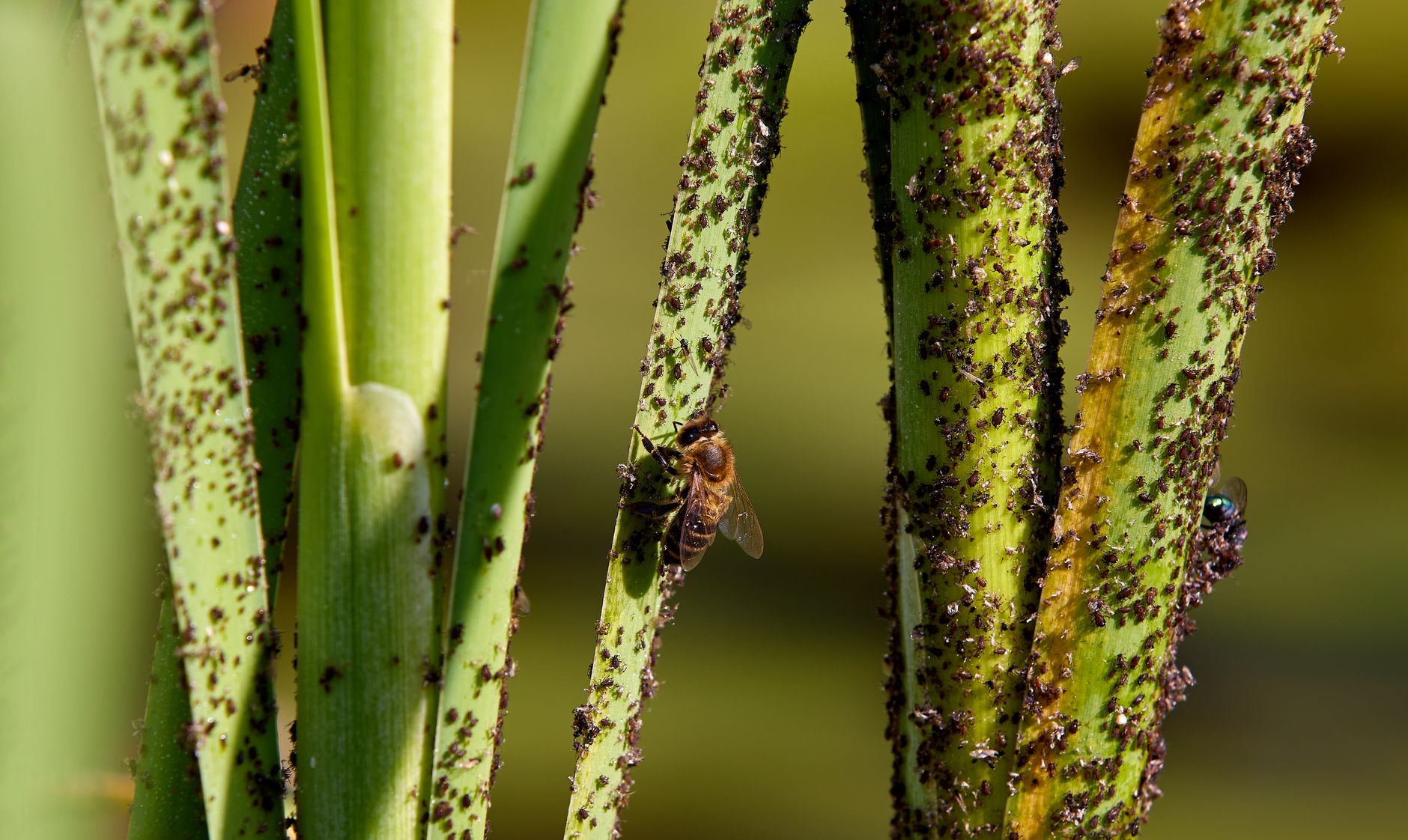
Most infestations start as a nearly invisible shift in leaf texture. The most effective defense is a habit of tactile inspection, focusing on the undersides of leaves and the junctions where the stem meets the leaf. This is where aphids and spider mites congregate. Catching these intruders early prevents a localized issue from becoming a household epidemic.
New additions should be treated with caution. Implementing a strict two-week quarantine in a separate room allows you to observe the plant's reaction to your environment and ensures no dormant pests hatch before the new specimen is introduced to your existing collection.
For established pest problems, organic neem oil offers a balanced treatment. It acts as a systemic disruptor, interfering with the hormonal systems of insects to prevent molting and feeding. Because it can be potent, always test a small, inconspicuous leaf first to ensure the plant doesn't suffer from phytotoxicity.
Disease is often driven by the environment. Powdery mildew, which appears as a white dusting on leaves, thrives in stagnant, humid air. Improving air circulation by moving the plant away from walls or using an oscillating fan is the most effective deterrent. When disease does occur, surgically remove infected tissue to stop the spread, wiping pruning shears with 70% isopropyl alcohol between cuts to prevent transferring pathogens.
Pruning is also a tool for growth. Removing yellowing lower leaves stops the plant from wasting energy on decaying foliage, redirecting nutrients to new growth. Similarly, pruning "leggy" sections just above a node disrupts apical dominance, signaling the plant to grow outward rather than just upward, resulting in a lusher canopy.
For tropicals in dry apartments, grouping plants together creates a beneficial microclimate. This leverages transpiration—where plants release water vapor—to create a pocket of higher humidity more effectively than a spray bottle. To manage a diverse collection, keep a simple log of watering and feeding dates to transform plant care from a series of guesses into a documented system.
Conclusion
Successful houseplant care is not about possessing a "magic touch," but about observing the subtle cues a plant provides and responding with practical adjustments. By mapping your light, selecting species that align with your lifestyle, and prioritizing root health over rigid schedules, you turn your home into a sustainable sanctuary. Start small: choose one or two "bulletproof" plants, observe how they react to your specific microclimates, and allow your confidence to grow alongside your greenery. Every lost leaf is simply a piece of information guiding you toward a more thriving indoor garden.
References
- ASPCA, "Toxic and Non-Toxic Plants," View source

Hi! Elena Novak here. My background in Interior Architecture and my experiences over 13 years have made me deeply engaged with home and lifestyle writer who helps readers design comfortable, functional, and beautiful spaces on realistic budgets.. I write to share perspectives, spark ideas, and make complex topics feel human.