Editor's brief
Wearable technology has evolved from simple timekeepers to sophisticated smart devices, revolutionizing health management, augmented reality interactions, and IoT integration. This article explores their historical trajectory, current impact, and future vision, addressing critical challenges and ethical considerations.
#Wearable Technology
#Smart Devices
#Augmented Reality
#IoT
Wearable technology, once confined to the realms of science fiction, has rapidly transitioned into an indispensable aspect of modern life. From rudimentary personal timekeepers to sophisticated biometric sensors, these intelligent devices are continuously reshaping our interactions with the digital world and offering unprecedented insights into our well-being. This feature article delves into the historical evolution, current impact, and future trajectory of wearable technology, exploring how smart devices are redefining health, convenience, and our connection to an ever-expanding digital ecosystem. The Genesis of Wearable Technology: From Novelty to Necessity The journey of wearable technology, a sector now synonymous with cutting-edge smart devices and pervasive IoT integration, stretches far beyond the contemporary smartwatch or fitness tracker. It is a narrative rooted deeply in human ingenuity, tracing a long history of innovation that sought to seamlessly integrate tools with the human form. This foundational phase, often overlooked amidst the excitement of modern advancements, established the core principles that continue to guide the evolution of these intimate personal technologies. Tracing the early concepts reveals a fascinating trajectory from rudimentary designs to surprisingly sophisticated mechanical iterations. Long before silicon chips and wireless protocols, the concept of a wearable device manifested in practical forms such as the 13th-century eyeglasses, w...
Wearable technology, once confined to the realms of science fiction, has rapidly transitioned into an indispensable aspect of modern life. From rudimentary personal timekeepers to sophisticated biometric sensors, these intelligent devices are continuously reshaping our interactions with the digital world and offering unprecedented insights into our well-being. This feature article delves into the historical evolution, current impact, and future trajectory of wearable technology, exploring how smart devices are redefining health, convenience, and our connection to an ever-expanding digital ecosystem.
The Genesis of Wearable Technology: From Novelty to Necessity
The journey of wearable technology, a sector now synonymous with cutting-edge smart devices and pervasive IoT integration, stretches far beyond the contemporary smartwatch or fitness tracker. It is a narrative rooted deeply in human ingenuity, tracing a long history of innovation that sought to seamlessly integrate tools with the human form. This foundational phase, often overlooked amidst the excitement of modern advancements, established the core principles that continue to guide the evolution of these intimate personal technologies.
Tracing the early concepts reveals a fascinating trajectory from rudimentary designs to surprisingly sophisticated mechanical iterations. Long before silicon chips and wireless protocols, the concept of a wearable device manifested in practical forms such as the 13th-century eyeglasses, which augmented human vision. The 16th century saw the advent of small, portable watches, initially worn as necklaces and later as pocket watches, making personal timekeeping a reality. Further examples include pedometers, conceptualized by Leonardo da Vinci around 1500 and appearing as physical devices by 1590, and the abacus ring from the Chinese Qing Dynasty, a miniature computational tool worn discreetly on the finger for calculations. These early innovations, while lacking electronics, laid critical groundwork by demonstrating the utility of body-worn devices for enhancing human capability. The true genesis of electronic wearable computing can be pinpointed to the 1960s, with pioneers like Edward Thorp and Claude Shannon developing a concealed, cigarette-pack-sized computer to calculate roulette odds. This rudimentary system, along with Ivan Sutherland's "Sword of Damocles" head-mounted display in 1968, represented pivotal steps towards actual wearable technology, demonstrating the potential for integrated computational power and early forms of augmented reality (AR). In the mid-20th century, breakthroughs like the Holter monitor, invented in 1949 by American biophysicist Norman Holter, offered groundbreaking capabilities for health monitoring outside of clinical settings, setting a precedent for future medical wearables future applications.
Initial consumer adoption, though limited, was driven by niche markets and early adopters captivated by the promise of personal technology. The 1970s and 80s witnessed the rise of the calculator wristwatch, a prime example of an early mass-market wearable that combined timekeeping with basic data processing. These devices, while perhaps clunky by today's standards, resonated with a segment of the public eager for novel functionalities integrated into their daily lives. Similarly, the introduction of digital hearing aids in 1987, despite initial bulkiness and subpar battery life, marked a crucial step in assistive wearable technology for health. The 1990s and early 2000s saw a burgeoning interest with Bluetooth headsets offering hands-free communication and early fitness trackers like the Garmin Forerunner (2003) integrating GPS for performance monitoring, indicating a growing consumer appetite for convenience and self-improvement through personal technology.
A significant paradigm shift occurred with the transition from bulky prototypes to sleek, integrated smart devices, a transformation intrinsically linked to relentless advancements in miniaturization and power efficiency. The mass production of microchips, accelerating through the 1990s and 2000s, served as a catalyst, allowing complex electronic components to shrink dramatically. This miniaturization, coupled with innovations in battery technology, enabled devices to become truly portable and less obtrusive, moving beyond the confines of a specialized gadget to an almost invisible accessory. The subsequent integration with smartphones effectively turned many wearable technology products into extensions of our primary computing devices, offering a seamless and interconnected experience that dramatically broadened their appeal. This evolution was not merely about size reduction; it was about designing for continuous wear and minimal user intrusion, anticipating a future where technology would be inherently part of one's person.
This practicality and commercial viability were further facilitated by the dramatic evolution of materials and manufacturing techniques. The shift towards flexible electronics and smart textiles represented a crucial leap, allowing devices to conform more naturally to the human body and withstand daily wear. Materials like graphene and advanced conductive polymers became vital, offering the ideal balance of conductivity, flexibility, and cost-effectiveness required for embedding electronics into fabric or creating highly adaptable sensors. Manufacturing processes evolved to support the integration of these novel materials, enabling the creation of devices that were not only functional but also comfortable, durable, and aesthetically appealing. Challenges such as ensuring water resistance and robustness against repeated washing for smart clothing were overcome, directly addressing the demands of everyday use.
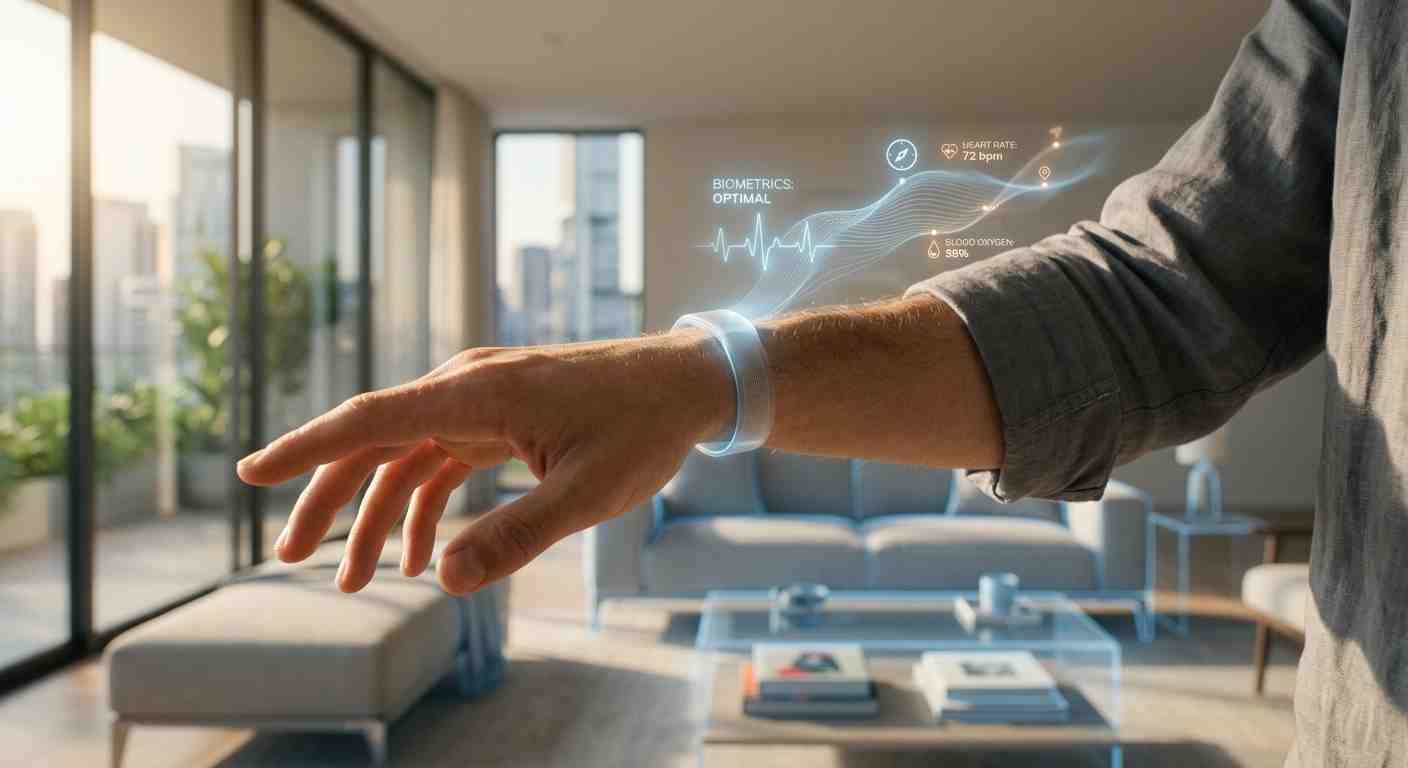
The cumulative effect of these early innovations laid the indispensable groundwork for today's incredibly diverse landscape of wearable technology. The simple digital watches of the 1970s directly prefigured the multifunctional smartwatches of today, which now boast sophisticated health monitoring capabilities like ECG and blood oxygen tracking. Similarly, the rudimentary pedometers of centuries past evolved into advanced fitness trackers capable of monitoring a vast array of physiological metrics, including heart rate, sleep patterns, and stress levels. This progression underscores a continuous drive to enhance human senses and capabilities, translating basic functions into comprehensive personal data platforms.
Finally, the foundational principles of user interaction and data collection established in these formative years continue to guide the development of new wearable solutions. Early devices, even mechanical ones, inherently involved a mode of user interaction and provided some form of data (e.g., time, steps, calculations). With electronic wearable technology, the challenge intensified: how to convey critical information and receive input on a small, often glanceable interface. This led to a focus on minimalistic UIs, multi-sensory feedback (haptics, voice commands), and highly contextual, personalized experiences. Concurrently, the ability of wearables to gather continuous physiological and behavioral data from their intimate contact with the user birthed the "quantified self" movement, enabling unprecedented self-monitoring and insight. This real-time data collection has become a cornerstone, not only for personal wellness but also for academic research and advanced health diagnostics. However, this deep integration also brought forth critical discussions around data privacy and security, concerns that remain paramount in guiding the responsible deployment of future wearable technology.
The Wearables Revolution in Health Management
The proliferation of wearable technology has ignited a profound revolution in personal health management, shifting the paradigm from reactive treatment to proactive wellness. These intelligent smart devices, once confined to niche applications, now serve as ubiquitous personal health dashboards, making data-driven wellness remarkably accessible to a broad audience. This transformation is akin to the evolution of automotive diagnostics, moving from rudimentary fault codes to sophisticated, real-time telemetry that predicts potential system failures before they occur.
At the core of this revolution is the ability of fitness trackers and other smart devices to continuously monitor crucial physiological metrics. Modern wearables meticulously track physical activity, sleep patterns, and heart rate, extending beyond simple step counts to provide a nuanced understanding of an individual's well-being. For instance, the analysis of resting heart rate trends can offer insights into cardiovascular health and recovery, while detailed sleep stage tracking can highlight areas for improving restorative sleep. This constant stream of data, far more comprehensive than intermittent doctor visits, empowers users with actionable insights, enabling them to make informed decisions about their lifestyle and health.
The utility of this raw data is exponentially enhanced by the seamless integration of health information with mobile applications. These sophisticated platforms translate complex biometric readings into intuitive visualizations and personalized coaching experiences. Just as a modern electric vehicle's companion app can detail energy consumption patterns and suggest more efficient driving routes, health apps provide tailored recommendations for diet, exercise, and stress management based on individual data. This creates a holistic tracking system, offering goal setting, performance analysis, and even gamified motivational elements, fostering sustained engagement and encouraging healthier habits.
Beyond general wellness, there is a significant and growing trend toward medical-grade wearables designed for chronic disease management, remote patient monitoring, and early detection of serious conditions. Devices like continuous glucose monitors (CGMs) for diabetes, smartwatches with FDA-cleared ECG capabilities for detecting atrial fibrillation, and wearable patches for blood pressure monitoring represent a critical advancement. These tools allow healthcare providers to monitor patients remotely, ensuring treatment plan effectiveness and enabling timely interventions for conditions such as hypertension, respiratory diseases, and cardiac issues, often reducing the need for frequent in-person check-ups. This parallels the remote diagnostic capabilities in advanced automotive systems, where continuous monitoring can preemptively flag component wear or performance anomalies, optimizing vehicle uptime and safety.
The preventative health benefits derived from continuous feedback and goal setting are substantial. By making users more aware of their daily habits and physiological responses, wearable technology actively encourages healthier lifestyles. Timely alerts for abnormal heart rates or prolonged sedentary periods can prompt immediate action, preventing minor issues from escalating into major health crises. This proactive approach to health, driven by constant data collection and analysis, is fundamental to reducing the burden of chronic diseases and improving overall public health outcomes.
However, the extensive collection and storage of sensitive personal health information necessitate a crucial focus on data privacy and security. The sheer volume and intimate nature of biometric data collected by smart devices make them attractive targets for cyberattacks and data breaches. Robust encryption protocols, secure data transmission, multi-factor authentication, and adherence to stringent regulatory frameworks like Japan's Act on the Protection of Personal Information (APPI) are paramount. The industry must adopt "Privacy by Design" principles, embedding security features from the outset, rather than as an afterthought. Transparency regarding data ownership, usage by third parties, and anonymization techniques is also critical to building and maintaining user trust.
Looking ahead, the wearables future promises continuous innovation with even more sophisticated sensors, advanced AI-driven analysis, and highly predictive health models. We can anticipate non-invasive sensors capable of continuous blood pressure monitoring, hydration levels, and even certain biomarkers for disease detection. Artificial intelligence and machine learning algorithms will move beyond mere pattern recognition to provide predictive diagnostics, identifying early indicators of health problems and personalized risk assessments before symptoms manifest. This integration of advanced IoT capabilities with AI will foster digital twins for predictive health modeling, capable of forecasting long-term health trends and delivering highly personalized, adaptive insights. This evolution mirrors the trajectory of autonomous driving systems, where an array of sensors and AI collaborate to predict environmental conditions and vehicle behavior, ensuring optimal performance and safety.
Augmented Reality: The Next Frontier in Wearable Interaction
The trajectory of wearable technology is poised for its most significant transformation yet, moving beyond the familiar metrics of fitness trackers and smartwatches. We are now entering an era where augmented reality (AR) wearables introduce a profound paradigm shift in digital interaction. Unlike traditional screens that demand our focused attention, AR seamlessly blends virtual information with our physical world, creating an experience that enhances rather than distracts. This integration is not merely an incremental upgrade; it represents a fundamental redefinition of how humans will compute, communicate, and interact with data in their daily lives.
At the core of this evolution are AR glasses and, in more advanced conceptual stages, smart lenses. These devices are engineered to overlay digital information, such as intuitive navigation cues or discreet notifications, directly onto the user's field of view. Imagine walking through an unfamiliar city, and rather than glancing at a smartphone, dynamic arrows and street names appear as translucent overlays on the actual pavement before you, guiding your path. Or consider real-time contextual data: a glance at a historical landmark could instantly display its history, or a museum artifact could prompt a detailed information card. This "see-through" display technology, often employing waveguide optics or micro-LED projectors, allows digital content to appear crisp and integrated with the real world. Automotive applications already hint at this capability with advanced head-up displays (HUDs) projecting speed and navigation onto windshields, but AR wearables elevate this by making the digital layer dynamic, interactive, and portable to any environment.
The applications of AR wearables are remarkably diverse, transcending mere convenience to enhance real-world tasks across multiple sectors. In navigation, AR moves beyond basic GPS, offering hands-free visual guidance that highlights exact lanes or points of interest, significantly reducing cognitive load in complex environments. Education stands to be revolutionized by interactive 3D models and virtual field trips, transforming abstract concepts into tangible, immersive learning experiences. For industrial maintenance, AR is a game-changer; technicians can receive step-by-step repair instructions, schematics, or real-time diagnostic data overlaid directly onto machinery, enhancing accuracy and efficiency. Remote experts can even "see" what the on-site technician sees and annotate the real world with digital markers, providing guidance from afar. Beyond professional applications, immersive entertainment benefits immensely, with gaming and live events gaining new layers of interactive, contextual content.
However, the path to ubiquitous AR wearables is not without significant technological hurdles. Developing devices that are comfortable, powerful, and aesthetically pleasing enough for daily wear presents a formidable engineering challenge. Current devices often grapple with bulkiness, weight, and limited battery life, which hinder extended use and social acceptance. Integrating high-resolution displays with a wide field of view, powerful processors for real-time rendering and AI, and an array of sensors—all within a compact, lightweight form factor—demands breakthroughs in miniaturization and power efficiency. Thermal management is another critical aspect, as powerful components generate heat that must be dissipated without compromising user comfort. Furthermore, the visual quality of the digital overlay needs to be bright enough for diverse lighting conditions and free from artifacts like the "screen-door effect." While companies like Mojo Vision are pioneering smart contact lenses, offering the ultimate in discreet form factors, these remain largely in the research and development phase, years away from consumer readiness.
Forecasting the transformative potential, AR is undeniably shaping the wearables future. As these technological obstacles are overcome, AR devices will create more intuitive and hands-free digital experiences, moving computing from our pockets to our perception. The synergy with Artificial Intelligence (AI) will further accelerate this, allowing AR systems to intelligently interpret environments, understand user intent, and deliver highly personalized, context-aware information. This convergence of AR and AI will transform the Internet of Things (IoT), making AR wearables the primary interface for interacting with our increasingly smart homes, vehicles, and urban environments. The future points towards a post-smartphone era, where information is ambient, environmental, and always available precisely when and where it is needed, turning the screen from a destination into a dynamic, integrated layer of our reality.
Wearables as Key Components of the IoT Ecosystem
The pervasive integration of wearable technology transcends mere personal convenience, repositioning these smart devices as crucial endpoints within the sprawling architecture of the IoT (Internet of Things) ecosystem. Far from being isolated gadgets, modern wearables function as sophisticated data acquisition platforms, continuously gathering and transmitting a rich tapestry of personal and environmental data. Equipped with an array of sensors—from accelerometers and gyroscopes to advanced biometric monitors for heart rate, blood oxygen, and even electrodermal activity—these devices operate at the very edge of the network, acting as frontline data generators. This constant stream of information fuels the IoT, providing real-time insights that were previously unattainable, thereby establishing wearables as indispensable components for a truly interconnected digital existence.
The essence of this integration lies in the seamless data exchange that occurs between wearables and a myriad of other smart infrastructure components. Consider, for instance, the symbiotic relationship between a driver's wearable technology and a connected vehicle. Hyundai and Toyota are already exploring how wearables can integrate with automotive systems, with examples like Hyundai's 'wearable key' concept and Toyota's initiatives in health-monitoring wearables for drivers. A smartwatch could, for example, not only unlock a smart car upon proximity but also automatically adjust seat positions, climate control, and infotainment preferences based on stored user profiles. Beyond mere convenience, real-time physiological data from a driver’s wearable could be fed into the vehicle’s advanced driver-assistance systems (ADAS) to detect fatigue or elevated stress levels, proactively triggering alerts or suggesting breaks. Similarly, fitness trackers communicating with smart home systems can dynamically adjust ambient lighting or thermostat settings based on activity levels or sleep patterns, creating a truly responsive environment. This continuous, bidirectional data flow between personal devices, smart homes, and connected vehicles illustrates the fundamental shift towards a responsive, integrated digital sphere.
This dynamic interaction is paving the way for the creation of personalized, context-aware environments that respond autonomously to user presence and biometrics. Imagine a smart office where an employee’s wearable detects heightened stress levels via heart rate variability (HRV) and skin conductance. This biometric input, combined with real-time location data, could trigger subtle environmental adjustments—such as dimming lights, playing calming audio, or even suggesting a short break—to mitigate stress and optimize focus. Such systems leverage advanced AI and machine learning algorithms to interpret complex datasets from wearables, transforming raw sensor input into actionable environmental responses, fostering an ecosystem that anticipates and caters to individual needs.
Beyond the personal domain, the applications of wearable technology extend significantly into smart cities, industrial settings, and logistics, where they provide critical data for operational efficiency and safety. In smart cities, wearables can contribute to public safety through real-time location tracking for emergency responders or by monitoring pedestrian flow for urban planning. For industrial environments, ruggedized wearables and even smart exoskeletons are revolutionizing worker safety and productivity. These devices can monitor environmental hazards (e.g., gas leaks), detect falls, track physiological strain, and provide proximity warnings for heavy machinery, streaming critical data to supervisors for immediate intervention. Logistics operations benefit immensely from wearable devices like hands-free scanners and smart glasses, which optimize order picking, inventory management, and route efficiency for delivery personnel, leading to improved accuracy and reduced errors.
However, the proliferation of diverse IoT platforms and smart devices introduces significant challenges, particularly regarding interoperability and standardization. The current landscape is fragmented, with a multitude of proprietary protocols (e.g., Zigbee, Z-Wave) coexisting alongside open standards like Wi-Fi and Bluetooth. This lack of a universal communication standard makes seamless data exchange across devices from different manufacturers inherently difficult, often necessitating complex middleware or gateways. Achieving true interoperability is paramount for a cohesive IoT ecosystem, driving efforts towards initiatives like the Matter protocol, which aims to provide a unified standard for smart home devices to communicate harmoniously.
Furthermore, the constant transmission and processing of personal and environmental data within the IoT raise significant enhanced security implications. Wearables collect highly sensitive data, including health metrics, location history, and activity patterns, making them attractive targets for cybercriminals. The risk of data breaches, identity theft, and unauthorized access to this intimate information is substantial, especially given that many IoT devices may ship with minimal access controls or unencrypted data storage. Robust encryption protocols, stringent authentication mechanisms, regular software updates, and transparent privacy policies are essential to safeguard user data and maintain trust in these interconnected systems.
Looking ahead, wearable technology holds immense potential to evolve into central control hubs for personal IoT ecosystems. While smartphones currently serve as primary interfaces for managing smart homes and connected vehicles, the future could see smartwatches, rings, or even hearable devices taking on a more direct control role. Through advanced voice commands, gestures, or even subtle biometric cues, these wearables could intuitively manage lighting, climate, security systems, and vehicular functions, streamlining interactions and reducing reliance on screen-based interfaces. OpenAI's rumored "Sweet Pea" AI ear device, for example, points towards a future where discreet, voice-first wearables act as always-on, context-aware assistants, managing tasks across various services.
Ultimately, this trajectory predicts the further blurring of lines between personal smart devices and ambient intelligence as connectivity becomes ubiquitous. As technology becomes more integrated and miniaturized, it will increasingly recede into the background, proactively serving our needs without demanding constant attention. The distinction between a personal gadget and the intelligent environment will diminish, leading to a truly invisible technological layer that continuously collects, analyzes, and responds to our presence and needs, forming a seamless digital fabric woven into every aspect of daily life.
Challenges and Ethical Considerations in Wearable Technology
As wearable technology continues its rapid evolution, moving beyond the wrist to encompass an ever-expanding array of smart devices, the industry confronts a series of intricate challenges and ethical dilemmas that demand precise, technical scrutiny. While these innovations promise unprecedented integration of digital insights into daily life, their inherent complexities extend far beyond mere functionality, necessitating careful consideration of their long-term societal and individual impacts.
A primary technical hurdle remains the optimization of battery life and power efficiency for compact, always-on smart devices. The miniaturization required for aesthetic appeal and comfort often clashes directly with the energy demands of sophisticated sensors—heart rate monitors, GPS modules, accelerometers, and advanced haptic feedback systems—all vying for a finite power supply within a constrained form factor. Drawing a parallel to the automotive sector's persistent pursuit of increased EV range without compromising performance or packaging, wearable technology faces an analogous "range anxiety." While low-power chipsets, such as ARM Cortex-M series processors, have made significant strides, and nascent energy harvesting techniques offer theoretical potential, the practical reality for most advanced fitness trackers and smartwatches still dictates frequent charging cycles. This constant need for power management limits the scope of continuous data collection and user interaction, directly impacting the seamless, uninterrupted experience that is the ultimate promise of ubiquitous computing. Current solutions, often involving trade-offs between display technology (e.g., transflective vs. AMOLED) and sensor activation protocols, underscore the engineering tightrope manufacturers walk to balance utility and longevity.
Perhaps even more critical are the concerns surrounding data privacy, cybersecurity, and the fundamental ownership of the sensitive personal biometric information collected by wearable technology. These devices gather a treasure trove of intimate data: sleep patterns, heart rate variability, glucose levels, geographic location, and even emotional responses. The aggregation of such granular information creates a detailed digital twin of an individual, presenting substantial risks if compromised. Much like the robust cybersecurity frameworks protecting modern vehicle telematics systems from unauthorized access, wearable technology demands equally stringent protocols. Data encryption, secure boot processes, and multi-factor authentication are no longer optional but essential safeguards against data breaches, which could lead to identity theft, discriminatory practices by insurance providers, or even exploitation. The legal and ethical question of who truly owns this deeply personal data—the individual, the device manufacturer, or the platform provider—remains largely ambiguous in many jurisdictions, highlighting a significant regulatory vacuum.
The ethical implications of constant monitoring are multifaceted, extending to potential algorithmic biases and the erosion of individual autonomy. The "quantified self" movement, enabled by wearable technology, can inadvertently foster a culture of perpetual self-optimization, potentially leading to anxiety or mental fatigue if personal metrics consistently fall short of perceived ideals. Furthermore, the algorithms used to interpret biometric data and provide health recommendations are not inherently neutral; they can embed biases present in their training data, potentially misdiagnosing conditions or providing inappropriate advice for underrepresented demographics. Similar to how autonomous driving algorithms are scrutinized for their decision-making logic in complex scenarios, wearable technology algorithms must be transparent and auditable to prevent unintended consequences. The constant "nudging" from a device, while often well-intentioned, can subtly influence behavior and choices, raising questions about the extent to which individual freedom and spontaneity are impacted by the ubiquitous presence of a digital overseer.
Beyond the ethical considerations of data and autonomy, the psychological impact of always-on connectivity and continuous notification streams cannot be overlooked. The very essence of wearable technology is constant connection, yet this can lead to digital fatigue—a state of mental and emotional exhaustion caused by the relentless demands of the digital world. The steady drip of notifications, whether from a smartwatch or smart devices in an IoT ecosystem, can fragment attention, disrupt sleep patterns, and diminish the capacity for sustained focus. My experience reviewing in-car tech has shown that even well-designed interfaces can become distracting if not managed effectively; the personal nature of wearables amplifies this effect, blurring the lines between work and personal life. Designing for mindful interaction, incorporating sophisticated context-aware notification management, and providing users with robust control over their digital input are crucial to mitigating this growing concern.
Addressing these challenges necessitates the development of robust regulatory frameworks and universally accepted industry standards to govern wearable technology data collection, storage, and usage. The rapid pace of innovation frequently outstrips legislative response, creating a patchwork of regulations that vary significantly across international borders. While frameworks like GDPR and CCPA offer foundational principles for data protection, the specific nuances of continuous biometric data collection demand specialized provisions. The industry would greatly benefit from unified technical standards, potentially driven by bodies like the IEEE or ISO, to ensure interoperability, security baselines, and clear consent mechanisms. Such standardization is vital not only for consumer protection but also for fostering trust and facilitating the global adoption of wearable technology.
Finally, the environmental impact and the escalating e-waste problem associated with the rapid innovation cycles and disposability of consumer electronics are increasingly pressing concerns. The relentless drive for newer, more advanced smart devices often results in shorter product lifecycles. Many wearable technology items, especially those with integrated, non-replaceable batteries or proprietary components, are designed with limited repairability, contributing significantly to electronic waste. Drawing parallels to the growing focus on lifecycle assessments for EV batteries and the imperative for comprehensive recycling infrastructures, the wearables future must embrace principles of circular economy. This involves designing for durability, modularity, and repairability, utilizing sustainable materials, providing extended software support to prolong device utility, and establishing accessible, effective recycling programs to mitigate the environmental burden created by these increasingly ubiquitous smart devices.
The Vision of the Wearables Future
The landscape of wearable technology is poised for a transformative evolution, shifting dramatically from its current form of discrete devices to an intrinsically integrated ecosystem of smart devices. This isn't merely an incremental upgrade of existing fitness trackers or smartwatches; rather, it’s a foundational redefinition of how technology interacts with the human experience. The wearables future envisions a convergence where dedicated functionalities, currently housed in separate gadgets, merge into highly multi-functional, context-aware platforms. Imagine a single, unobtrusive device, perhaps a smart patch or a garment, that seamlessly monitors vital signs, tracks activity, facilitates communication, and processes payments – a far cry from the collection of disparate wearables many of us utilize today. This integration mirrors the automotive industry's trend towards consolidated in-car tech, where navigation, infotainment, and vehicle diagnostics are managed through a unified system, enhancing both efficiency and user experience.
Further pushing the boundaries, we are forecasting significant advancements in bio-integrated wearables, smart fabrics, and even implantable technologies that fundamentally blur the line between technology and the human body. As an electrical engineer with extensive experience reviewing cutting-edge gadgets, the progression from external sensors to internal or epidermal solutions is a natural and logical trajectory. Smart fabrics, interwoven with conductive threads and microscopic sensors, could soon become our second skin, offering continuous, non-invasive health monitoring, from ECG readings during daily activities to stress level assessments based on perspiration analysis. Beyond this, early implantable technologies, initially focusing on medical applications like glucose monitoring, are laying the groundwork for more advanced subdermal chips that could manage everything from medication delivery to identity verification. This level of integration aims for peak performance and reliability, much like the embedded systems in modern EVs that operate unseen but are crucial for vehicle function and safety, constantly feeding data for optimal operation.
Crucially, the increasing role of artificial intelligence (AI) and machine learning (ML) will be the catalyst for personalizing these wearable experiences and delivering profoundly deeper insights. Current smart devices often provide raw data; the next generation, powered by sophisticated AI algorithms, will offer predictive analytics and actionable intelligence. For instance, rather than simply recording sleep patterns, an AI-driven wearable might identify specific stressors impacting sleep quality, recommend personalized interventions, or even alert users to early signs of illness based on subtle physiological shifts over time. This personalized intelligence moves beyond mere data reporting, akin to how advanced driver-assistance systems (ADAS) in contemporary vehicles don't just warn of lane departure, but actively assist in maintaining lane positioning, adapting to individual driving styles and external conditions. This anticipatory capability, constantly learning from user behavior and environmental factors, defines the true potential of the wearables future.
The expansion of augmented reality (AR) beyond visual overlays will also play a pivotal role in this future. While AR glasses offer compelling visual experiences, the next frontier encompasses haptic feedback, olfactory sensations, and full sensory immersion. Consider a scenario where a technician, performing complex EV maintenance, receives not just visual instructions via AR glasses, but also haptic feedback guiding their hand to the correct component, or even olfactory cues to identify a specific fluid leak. The possibilities extend to entertainment, education, and even remote social interaction, creating virtual environments that engage multiple senses, providing a richer, more engaging human-computer interaction than current screen-based interfaces.
Ultimately, the vision for the wearables future is one where devices are almost invisible, seamlessly integrated into our bodies, clothing, and environment. The cumbersome nature of current gadgets will give way to technologies that are intuitively present yet imperceptible, operating in the background to augment our daily lives without drawing attention to themselves. This invisible integration forms the backbone of an omnipresent wearables future, driving profound societal shifts and lifestyle changes. Enhanced human capabilities will extend beyond mere physical augmentation to cognitive assistance, emotional intelligence support, and hyper-personalized health management. This omnipresence, facilitated by the Internet of Things (IoT), will allow our smart environments to react dynamically to our needs and preferences, creating truly responsive living and working spaces.
This evolution is set to fundamentally redefine human-computer interaction, making it more intuitive, natural, and integrated. Moving beyond touchscreens, voice commands, and even gesture control, future wearables will likely leverage brain-computer interfaces (BCIs) and advanced biometric feedback for seamless control. Imagine interacting with your digital world simply through thought or subtle physiological cues, managing your smart home, navigating your vehicle's infotainment, or even composing messages without a single spoken word or physical tap. This level of integration promises an unparalleled degree of control and comfort, transforming our interaction with technology from a conscious effort into an almost subconscious extension of ourselves, mirroring the effortless and often transparent interaction a seasoned driver has with a finely tuned performance vehicle.
From their humble beginnings as mechanical aids to their current role as vital health companions and burgeoning AR platforms, wearable technologies have demonstrated an extraordinary capacity for evolution. As they become increasingly integrated into the IoT ecosystem, these smart devices promise to redefine human-computer interaction, personal health management, and our daily experiences. Addressing the inherent challenges in privacy, ethics, and sustainability will be crucial for realizing a future where wearables seamlessly enhance our lives without compromise. The journey beyond the wrist is only just beginning, promising a future where technology is not just worn, but truly lived.
References
- "The Surprising History of Eyeglasses." Smithsonian Magazine. Available: View source
- "A Brief History of the Watch." Monochrome Watches. Available: View source
- P. K. Saha, "Wearable technology: a historical perspective," IEEE Consumer Electronics Magazine, vol. 8, no. 1, pp. 29-37, Jan. 2019. Available: View source
- "The Eudaemons: How a Group of Physicists and Mathematicians Built a Wearable Computer to Beat Roulette." Gizmodo. Available: View source
- "Ivan Sutherland's 'The Sword of Damocles' (1968)." MIT Museum. Available: View source
- "The Holter Monitor: The Invention that Changed Cardiology." American College of Cardiology. Available: View source
- "A Brief History of the Calculator Watch." Wired. Available: View source
- "The Digital Revolution: How Digital Hearing Aids Were Born." Hearing Healthcare News. Available: View source
- "Garmin Forerunner 101." DC Rainmaker. Available: View source
- "FDA-Cleared Wearables for Atrial Fibrillation Detection." Cardiovascular Business. Available: View source
- "Continuous Glucose Monitoring (CGM)." National Institute of Diabetes and Digestive and Kidney Diseases. Available: View source
- "Act on the Protection of Personal Information (APPI)." PwC Japan. Available: View source
- "Hyundai's Wearable Key Technology Showcased in New Smartwatch App." Hyundai Media Center. Available: View source
- "Toyota Developing Wearable Device to Monitor Drivers." Reuters. Available: View source
- "Matter: The future of smart home connectivity." Google Developers. Available: View source
- "The Information: OpenAI is developing an AI device led by Jony Ive and Sam Altman." The Verge. Available: View source
- "ARM Cortex-M Processors." ARM. Available: View source
- "GDPR and CCPA: What You Need to Know." Norton. Available: View source

I'm Kaori Nishimura from Japan. My path through Electrical Engineering has been anything but linear—after 11 years in the field, I've grown into someone who enjoys exploring automotive and gadget reviewer with a mix of curiosity and lived experience.