Editor's brief
This article provides a step-by-step guide to designing an outdoor living area, covering planning, hardscaping, softscaping, furniture, privacy, DIY projects, and maintenance, to help create a personalized backyard oasis.
#outdoor living
#backyard design
#landscaping
#diy outdoor
Introduction Creating an outdoor living area is an investment in relaxation, entertainment, and connection with nature, extending the comforts of your home into the open air. This tutorial article provides step-by-step instructions to help you design your dream backyard oasis, from initial planning to final touches. By carefully considering each element, from hardscaping to furniture, you can create a space that reflects your personal style and enhances your lifestyle [1]. Planning Your Outdoor Living Project: Setting the Stage Meticulous planning is essential for a successful outdoor living area. Begin by evaluating your existing outdoor space, noting its strengths and weaknesses, such as sun exposure and privacy [2]. Define your goals for the area, whether it's a relaxation retreat, an entertainment hub, or a dining space. Establishing a realistic budget early on is crucial, allocating funds to hardscaping, landscaping, furniture, and potential contingencies. Research local building codes and regulations to ensure compliance, preventing future complications. Visualizing your dream space through a rough plan or sketch helps assess feasibility and communicate your vision. Gather inspiration from magazines, websites, and model homes to refine your design preferences [3]. Finally, consider long-term maintenance requirements to ensure your investment remains enjoyable without becoming overwhelming. Hardscaping Elements: Patios, Decks, and Walkways Hardscaping elements form the s...
Introduction
Creating an outdoor living area is an investment in relaxation, entertainment, and connection with nature, extending the comforts of your home into the open air. This tutorial article provides step-by-step instructions to help you design your dream backyard oasis, from initial planning to final touches. By carefully considering each element, from hardscaping to furniture, you can create a space that reflects your personal style and enhances your lifestyle [1].
Planning Your Outdoor Living Project: Setting the Stage
Meticulous planning is essential for a successful outdoor living area. Begin by evaluating your existing outdoor space, noting its strengths and weaknesses, such as sun exposure and privacy [2]. Define your goals for the area, whether it's a relaxation retreat, an entertainment hub, or a dining space. Establishing a realistic budget early on is crucial, allocating funds to hardscaping, landscaping, furniture, and potential contingencies. Research local building codes and regulations to ensure compliance, preventing future complications. Visualizing your dream space through a rough plan or sketch helps assess feasibility and communicate your vision. Gather inspiration from magazines, websites, and model homes to refine your design preferences [3]. Finally, consider long-term maintenance requirements to ensure your investment remains enjoyable without becoming overwhelming.
Hardscaping Elements: Patios, Decks, and Walkways
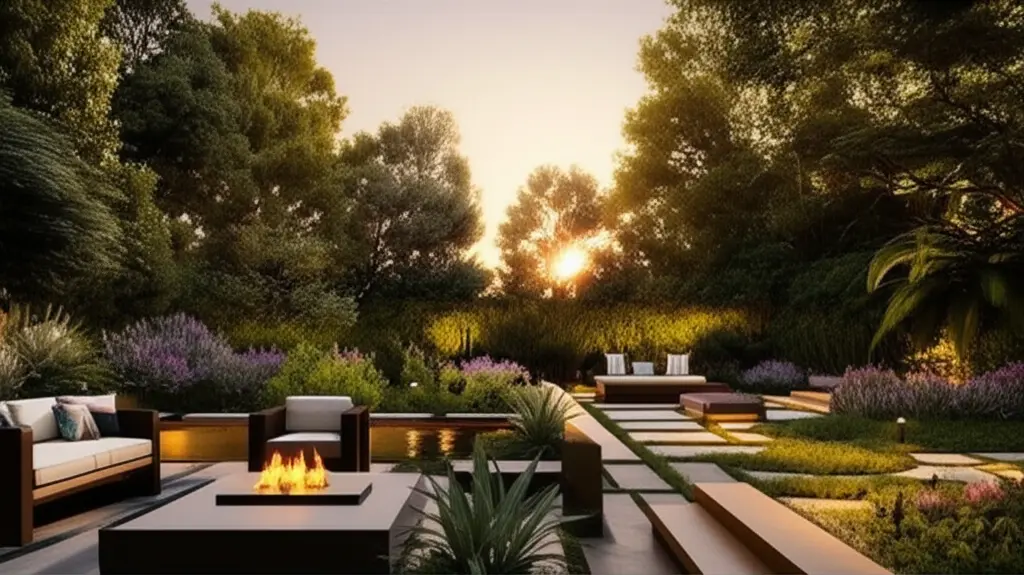
Hardscaping elements form the structural backbone of your outdoor space. Select durable and weather-resistant materials like concrete pavers, natural stone, or composite decking to ensure longevity [4]. Consider the size and shape of your patio or deck in relation to your overall space, ensuring it meets your functional needs without overwhelming the area. Proper base preparation is crucial for a stable patio, consisting of compacted subgrade, gravel for drainage, and sand or crushed stone for a level surface. Incorporate walkways to connect different areas and improve accessibility, using materials that complement your patio. Adding retaining walls can level sloped areas or create raised garden beds, adding visual interest. Ensure proper drainage to prevent water accumulation and explore patio ideas to enhance the ambiance, such as fire pits or water features [5].
Softscaping and Landscaping: Bringing Life to Your Oasis
Softscaping and landscaping breathe life into your outdoor living area. Select plants suited to your local climate and soil conditions, considering the hardiness zone and soil composition [6]. Incorporate a variety of plants with different textures, colors, and heights to create a visually captivating landscape. Prioritize native plants for their low-maintenance and environmental benefits. Trees and shrubs provide shade, privacy, and windbreaks, enhancing the comfort and usability of your space. Use mulch to suppress weeds, retain moisture, and improve soil health. Plan for seasonal color by incorporating plants that bloom at different times of the year. Adding a vegetable or herb garden brings fresh produce to your doorstep, connecting you with nature [7].
Outdoor Furniture and Decor: Creating a Comfortable and Stylish Space
Outdoor furniture and decor define the aesthetic, comfort, and ambiance of your outdoor space. Choose durable and weather-resistant materials like aluminum, teak, or synthetic wicker for longevity [8]. Consider comfort and functionality when selecting furniture, ensuring it meets your needs for dining, lounging, or entertaining. Invest in high-quality cushions and pillows upholstered in fade-resistant and water-repellent fabrics. Implement layered lighting, combining ambient, task, and accent lighting to create a warm and inviting atmosphere. Incorporate decorative accessories like planters, sculptures, and outdoor rugs to personalize the space. Consider DIY elements to add unique character and charm, reflecting your individual style [9].
Enhancing Privacy and Shade: Creating a Secluded Retreat
Enhancing privacy and providing adequate shade are crucial for creating a truly enjoyable outdoor living area. Define your boundaries with fences, hedges, or screens to create a visual barrier. Strategically plant trees and shrubs along property lines for natural screening and shade. Incorporate pergolas or gazebos to create dedicated shaded areas for relaxation and entertaining. Explore flexible shade solutions like awnings or umbrellas for patios and decks. Consider shade sails for a modern and stylish alternative. Use vertical gardening to add privacy and visual interest [10]. Strategic placement of these elements is key to maximizing privacy and shade, creating a secluded and relaxing retreat.
DIY Considerations for Your Outdoor Space
DIY projects can be a rewarding part of creating your outdoor oasis, but require careful consideration. Assess your skillset honestly and start with projects that align with your current abilities. Gather the necessary tools and materials before beginning, avoiding frustrating delays. Thoroughly research your chosen project, utilizing online resources and experienced DIYers for guidance [11]. Practice patience, paying attention to detail and focusing on quality craftsmanship. Prioritize safety by wearing appropriate protective gear and following safety guidelines for tools and chemicals. Embrace resourcefulness by repurposing existing materials or furniture. Personalize your DIY projects to reflect your individual style and preferences [12].
Maintaining Your Outdoor Living Area: Preserving Your Investment
Maintaining your outdoor living area is essential for preserving your investment. Regular cleaning of patios and decks prevents the buildup of dirt and grime. Routine inspections identify and address potential problems early on. Vegetation management, including trimming and pruning, prevents overgrowth and structural damage. A vibrant lawn and garden require regular fertilization, watering, and weed control [13]. Protect outdoor furniture from the elements by covering it or storing it properly. For colder climates, winterize outdoor plumbing to prevent costly damage from freezing temperatures. Resealing or staining your deck periodically protects it from moisture and UV damage, prolonging its lifespan [14]. Consistent maintenance ensures your outdoor space remains beautiful, functional, and enjoyable for years to come.
Conclusion
Designing your outdoor living area is a multi-faceted project involving careful planning, thoughtful design choices, and consistent maintenance. By following these step-by-step instructions, you can create a personalized backyard oasis that enhances your lifestyle and provides lasting enjoyment. Take the time to plan your space, select the right materials, and maintain it properly to ensure your investment remains a source of pleasure for years to come. Begin your project today and transform your backyard into the outdoor living space of your dreams.
References
- University of Minnesota Extension. (n.d.). Creating outdoor living spaces. Retrieved from View source
- Booth, N. K., & Hiss, J. E. (1991). Basic elements of landscape architectural design. Waveland Press.
- Ching, F. D. K. (2019). Architecture: Form, space, & order. John Wiley & Sons.
- Pile, J. F. (2013). Interior design. Laurence King Publishing.
- Brooks, K. (2021). Outdoor design: Simple steps for creating your own outdoor oasis. Cool Springs Press.
- Robinson, P. J., & Sutter, R. D. (2017). Natural selection: choosing native plants for North American gardens. Timber Press.
- Darke, R., & Tallamy, D. W. (2014). The living landscape: designing for beauty and biodiversity in the home garden. Timber Press.
- Woodbridge, S. (2010). Details of contemporary furniture design. Laurence King Publishing.
- Stewart, M. (2006). Martha Stewart's homekeeping handbook. Clarkson Potter.
- Grant, J. A., & Grant, C. L. (1990). Garden design illustrated. University of Washington Press.
- Collins, P. (2017). DIY home improvement: your guide to successful home repairs and upgrades. Creative Homeowner Press.
- Cowan, D. (2012). A penny saved: using money-saving techniques to lower home-related expenses. Atlantic Publishing Company.
- Hessayon, D. G. (2014). The lawn expert. Expert Books.
- Bushway, L. (2015). The complete idiot's guide to home improvement. Alpha Books.

Hi! Elena Novak here. My background in Interior Architecture and my experiences over 13 years have made me deeply engaged with home and lifestyle writer who helps readers design comfortable, functional, and beautiful spaces on realistic budgets.. I write to share perspectives, spark ideas, and make complex topics feel human.