Editor's brief
Young adults are spearheading a shift towards sustainable fashion, prioritizing ethical and environmental responsibility. They're demanding transparency, supporting eco-friendly brands, and reshaping the industry through conscious consumerism and innovative practices like thrifting and upcycling.
#sustainable fashion
#young adult
#ethical consumption
#eco-friendly
Introduction A profound shift is underway in the fashion world, with young adults leading the charge towards sustainability. This generation is not only concerned about aesthetics but also deeply committed to ethical and environmental responsibility, transforming wardrobes and reshaping the industry. This article explores how eco-conscious choices are becoming increasingly prevalent among young adults, impacting their purchasing decisions and inspiring a more sustainable approach to fashion. A New Generation's Wardrobe Revolution There’s a quiet revolution happening in our closets, driven by a generation that’s not just concerned about looking good, but about doing good. Young adults are waking up to the harsh realities behind their clothing: the environmental damage caused by textile production, the exploitation of garment workers, and the sheer wastefulness of the fast fashion cycle. This awareness is fueling a powerful shift towards more responsible consumption, fundamentally altering how they approach their wardrobes and their role in the fashion industry. The days of blindly following trends are fading; in their place, a conscious commitment to sustainability is taking root. This isn't about sacrificing personal style or individuality. Far from it. This generation understands that fashion is a powerful form of self-expression, and they're simply choosing to express themselves in a way that aligns with their values. They’re finding creative ways to curate wardrobes that a...
Introduction
A profound shift is underway in the fashion world, with young adults leading the charge towards sustainability. This generation is not only concerned about aesthetics but also deeply committed to ethical and environmental responsibility, transforming wardrobes and reshaping the industry. This article explores how eco-conscious choices are becoming increasingly prevalent among young adults, impacting their purchasing decisions and inspiring a more sustainable approach to fashion.
A New Generation's Wardrobe Revolution
There’s a quiet revolution happening in our closets, driven by a generation that’s not just concerned about looking good, but about doing good. Young adults are waking up to the harsh realities behind their clothing: the environmental damage caused by textile production, the exploitation of garment workers, and the sheer wastefulness of the fast fashion cycle. This awareness is fueling a powerful shift towards more responsible consumption, fundamentally altering how they approach their wardrobes and their role in the fashion industry. The days of blindly following trends are fading; in their place, a conscious commitment to sustainability is taking root.
This isn't about sacrificing personal style or individuality. Far from it. This generation understands that fashion is a powerful form of self-expression, and they're simply choosing to express themselves in a way that aligns with their values. They’re finding creative ways to curate wardrobes that are both stylish and sustainable, proving that you don't have to compromise your personal aesthetic to make a positive impact. In fact, many see sustainable fashion as an opportunity to be even more creative, embracing vintage finds, upcycled pieces, and unique items from ethical brands. The desire to stand out hasn't diminished; it's simply been redefined. It's about standing out for the right reasons, showcasing a style that reflects not only who you are but what you believe in.
Social media has been a catalyst for this change. Platforms like Instagram, TikTok, and Pinterest are awash with influencers and activists sharing information about sustainable fashion practices, showcasing eco-friendly alternatives, and inspiring others to join the movement. These digital spaces provide a sense of community, where young adults can learn from each other, share tips and tricks, and discover new sustainable brands. The transparency and accessibility of information online are empowering consumers to make more informed choices, holding brands accountable for their environmental and social impact. Initiatives such as viral challenges promoting clothing swaps and Instagram accounts dedicated to showcasing outfits made entirely from secondhand clothes are visually appealing, educational, and empowering, demonstrating that sustainable fashion can be both accessible and stylish.
Transparency and authenticity are paramount to this generation. They're not interested in greenwashing or superficial gestures. They want to know where their clothes come from, who made them, and what impact the production process has on the environment and communities involved. They actively seek out brands that openly share their supply chains, disclose their environmental footprint, and demonstrate a commitment to fair labor practices. This demand for transparency is forcing brands to rethink their business models, becoming more accountable and responsive to consumer concerns. A brand that clearly outlines its commitment to organic cotton farming, fair wages, and reduced water usage is far more likely to resonate with this generation than one that relies on vague marketing slogans.
The allure of 'fast fashion,' with its cheap prices and constantly changing trends, is rapidly losing its appeal. Young adults are increasingly aware of the hidden costs of these disposable garments: the mountains of textile waste that end up in landfills, the pollution caused by synthetic fabrics, and the exploitation of garment workers in developing countries [1]. They're recognizing that the fleeting satisfaction of owning a trendy item isn't worth the environmental and social consequences. Instead, they're embracing a more mindful approach to consumption, prioritizing quality over quantity, and investing in pieces that are built to last. The concept of a "capsule wardrobe," built around a few versatile, well-made items, is gaining traction as young adults seek to simplify their lives and reduce their environmental impact.
Moreover, they are actively extending the lifespan of their clothing through various methods. Repairing a torn seam, repurposing an old t-shirt into a tote bag, or swapping clothes with friends are all becoming increasingly popular practices. These actions are not only environmentally friendly but also foster a sense of creativity and resourcefulness. Clothing swaps, in particular, are gaining momentum as a fun and social way to refresh your wardrobe without contributing to the demand for new clothes. These practices challenge the traditional linear model of consumption – buy, use, dispose – and promote a more circular approach, where clothes are valued and kept in use for as long as possible.
Ultimately, this shift towards sustainable fashion reflects a broader societal movement towards conscious consumerism. Young adults are increasingly aware of the interconnectedness of their purchasing decisions and the impact they have on the world around them. They're using their wallets to vote for a better future, supporting brands that align with their values and rejecting those that prioritize profit over people and the planet. This is more than just a trend; it's a fundamental change in mindset that is reshaping the fashion industry and inspiring a more ethical and sustainable way of life. It’s about recognizing that style doesn’t have to come at the expense of the planet and that each and every purchase can be a step towards a more responsible and equitable world.
Defining Sustainable Fashion: More Than Just a Trend
Sustainable fashion. You’ve probably heard the term thrown around, maybe even seen it trending on your favorite social media platform. But what does it really mean? It’s so much more than just a fleeting trend; it’s a fundamental shift in how we think about and interact with our clothing. At its core, sustainable fashion encompasses a wide range of practices all aimed at minimizing the negative environmental and social impacts of the fashion industry. This includes everything from the materials used to create garments to the treatment of the people who make them, and even what happens to a piece of clothing after we’re done wearing it [2].
Eco-friendly clothing brands are leading the charge, experimenting with innovative materials that are kinder to the planet. Think organic cotton, grown without harmful pesticides and using less water than conventional cotton. Or recycled polyester, made from plastic bottles that would otherwise end up in landfills, giving them a second life as trendy jackets or comfortable leggings. Plant-based dyes, derived from natural sources like flowers and vegetables, are also gaining popularity, offering vibrant colors without the toxic chemicals found in synthetic dyes. Imagine rocking a stylish tee dyed with beetroot – pretty cool, right? These brands are proving that you don’t have to sacrifice style to be environmentally conscious.
Beyond the environmental aspects, ethical fashion plays a crucial role. This focuses on the human element, ensuring fair wages, safe working environments, and the empowerment of garment workers, particularly those in developing countries. Fast fashion often relies on exploitative labor practices, where workers are paid unfairly and forced to work in unsafe conditions to keep prices low. Ethical brands, on the other hand, prioritize the well-being of their employees, ensuring they receive fair compensation and work in dignified conditions. It's about recognizing that the clothes we wear are made by real people, and we have a responsibility to support businesses that treat them with respect. Look for companies that are transparent about their supply chains and committed to fair labor practices.
Understanding the full lifecycle of a garment, from raw material sourcing to disposal, is crucial for making informed choices as consumers. Consider the resources that go into producing a single t-shirt: water for growing cotton, energy for manufacturing and transportation, and chemicals for dyeing and finishing. Then, think about what happens when you’re finished with that t-shirt. Does it end up in a landfill, contributing to pollution and waste? Or can it be recycled or repurposed? By being mindful of the entire process, we can make more sustainable choices and reduce our environmental footprint. Before buying an item, ask yourself if you really need it, and consider how long you'll wear it. When you're done with it, explore options like donating, selling, or recycling it.
Certifications like Fair Trade and GOTS (Global Organic Textile Standard) can be incredibly helpful in navigating the often-confusing world of sustainable fashion. These certifications provide assurance that a product meets specific environmental and social criteria, giving consumers confidence that they’re making a responsible purchase. Fair Trade certification ensures that farmers and workers receive fair prices and wages, while GOTS certification verifies that textiles are made with organic materials and processed according to strict environmental standards. Look for these labels when you're shopping to easily identify products that align with your values. It's a quick way to ensure that your money is supporting ethical and sustainable practices.
The sustainable fashion movement extends far beyond just clothing. It encompasses accessories, footwear, and even the packaging used by brands. Think about it: a cute outfit isn't complete without shoes and a bag. Luckily, there are brands creating stylish sneakers from recycled materials and handbags from sustainably sourced leather alternatives. Even better, companies are reducing waste by using recycled and compostable packaging.
Finally, one of the most impactful things we can do is support local designers and artisans who prioritize sustainable practices. These small businesses are often deeply committed to ethical and environmental responsibility, using locally sourced materials, employing fair labor practices, and minimizing waste. By supporting them, we're not only getting unique and well-made items, but we're also investing in a more responsible fashion industry and fostering a sense of community. Think about visiting local craft fairs or boutiques that showcase the work of sustainable designers. You might discover your new favorite piece and support a great cause at the same time. Choosing sustainable fashion isn’t just about what you wear; it’s about making a conscious choice to support a better future.
Navigating the World of Eco-Friendly Clothing
So, you're ready to ditch fast fashion and embrace a wardrobe that's kinder to the planet? Awesome! You're definitely not alone. More and more young adults are recognizing the impact of their clothing choices and actively seeking out sustainable alternatives. But let’s be real, navigating the world of eco-friendly clothing can feel like wading through a swamp of confusing claims and cleverly disguised marketing tactics. The biggest challenge? Greenwashing. It’s everywhere, with brands throwing around terms like "eco-friendly" and "sustainable" without actually backing them up with meaningful action. Don't just take their word for it; it's time to become a conscious consumer and do some digging.
The key is to look beyond the surface-level marketing jargon. Instead of just accepting a label at face value, delve into the specifics. Investigate the brand's production processes. Where are their clothes made? What are the working conditions like for the garment workers? What materials are they using? Are those materials truly sustainable, or are they just cleverly marketed conventional fabrics? A truly sustainable brand will be transparent about its supply chain and willing to provide you with detailed information about its practices. For example, look for certifications like GOTS (Global Organic Textile Standard) for organic cotton or Fair Trade certifications that ensure fair wages and safe working conditions. If a brand is hesitant to answer your questions or provide details, that's a major red flag.
Beyond production, consider the lifecycle of the garment itself. Before you even think about hitting that "add to cart" button, ask yourself: how often will I actually wear this? Will it last? Is it versatile enough to be styled in multiple ways? The most sustainable item is the one you already own and continue to wear. Opting for classic styles and high-quality materials that will stand the test of time is far more eco-friendly than constantly chasing the latest trends. Think about building a capsule wardrobe filled with timeless pieces that you can mix and match for different occasions.
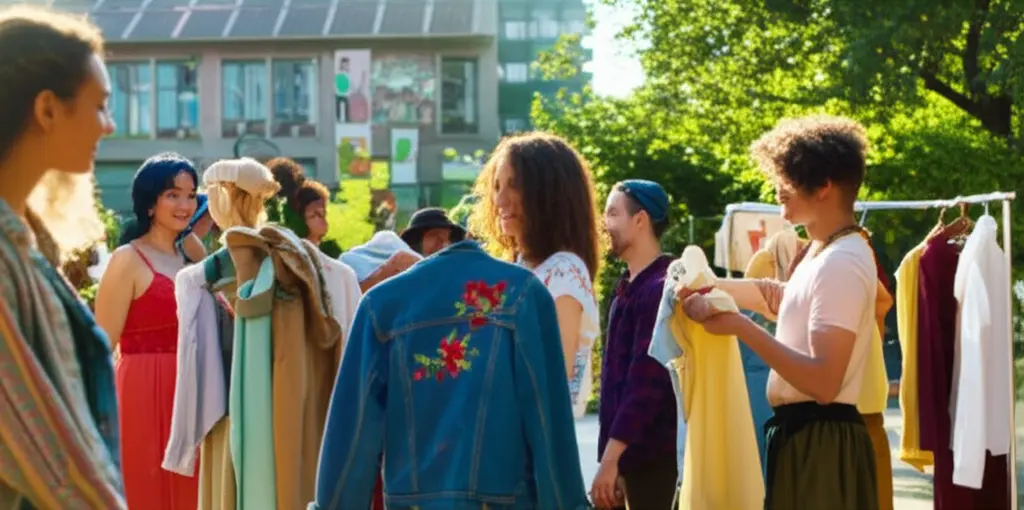
One of the best ways to find unique and sustainable pieces without contributing to the cycle of overconsumption is through secondhand shopping. Thrifting, vintage stores, and online marketplaces like Depop and Poshmark are treasure troves of pre-loved clothing just waiting to be rediscovered. You can find incredible deals on high-quality items, give clothes a new life, and express your personal style in a way that's both ethical and budget-friendly. Plus, there's something incredibly satisfying about finding that perfect vintage jacket or a one-of-a-kind dress that no one else will have.
Another increasingly popular option is clothing rental services. These services allow you to rent a diverse wardrobe for a fraction of the cost of buying new clothes. It's a fantastic way to experiment with different styles, wear designer pieces for special occasions, and reduce your environmental impact by sharing clothes instead of owning them outright. Imagine having access to a constantly evolving wardrobe without the guilt of contributing to textile waste.
Ultimately, supporting brands that prioritize transparency and traceability is essential. These are the companies that are actively working to create a more ethical and sustainable fashion industry. Look for brands that are committed to using sustainable materials, reducing their carbon footprint, paying fair wages to garment workers, and minimizing waste. Supporting these brands sends a powerful message that consumers value sustainability and are willing to put their money where their mouth is.
Don't be afraid to ask questions! Engage with brands directly through social media or email. Inquire about their sustainability practices, material sourcing, and ethical commitments. This not only helps you make informed purchasing decisions but also encourages brands to be more transparent and accountable. By engaging in these conversations, you're helping to drive positive change within the fashion industry and contributing to a more sustainable future for all. Remember, every conscious choice you make, no matter how small, can make a big difference. You have the power to reshape the industry, one stylish and sustainable decision at a time.
The Impact of Young Adult Fashion Choices
Let’s face it, you have the power. Not just the power to rock the latest trends, but the power to completely reshape the fashion industry. We’re talking about the collective purchasing power of young adults, a force that brands are increasingly recognizing and, frankly, are a little nervous about. Why? Because you’re not just buying clothes; you’re buying into values. And more and more, those values are centered around sustainability and ethical practices. The choices you make every day, from swiping your card to hitting that "add to cart" button, are sending ripples through the fashion ecosystem, and they have the potential to be transformative.
Think about it: when you actively choose sustainable alternatives, you're not just picking a cool-looking eco-friendly tee. You're creating a demand signal. You're telling brands, loud and clear, that you care about where your clothes come from, how they're made, and what impact they have on the planet. This demand then incentivizes brands – even the big, established ones – to rethink their practices and invest in more responsible production methods. Maybe that means using organic cotton, reducing water waste, or implementing fair labor standards. Your choice becomes a vote for a better future, and the more of you that vote, the louder the message becomes.
But it doesn't stop there. The digital age has amplified your voice in ways previous generations could only dream of. Social media campaigns and online activism are powerful tools for holding brands accountable. Think about the viral campaigns that have exposed unethical labor practices or highlighted the environmental damage caused by fast fashion. Young adults are at the forefront of these movements, using platforms like Instagram, TikTok, and Twitter to raise awareness, share information, and organize collective action. A single post can reach millions, and a well-crafted hashtag can spark a global conversation. This ability to mobilize and demand transparency puts real pressure on brands to clean up their act.
Supporting ethical brands goes beyond just feeling good about your purchase. It directly impacts the lives of garment workers, often in developing countries. By choosing brands that prioritize fair wages, safe working conditions, and respect for workers' rights, you're helping to create a more just and equitable global economy. You're contributing to a system where people are treated with dignity and earn a living wage, instead of being exploited for cheap labor. This is a tangible way to make a positive difference in the world, one garment at a time [3].
And speaking of making a difference, consider embracing a minimalist wardrobe. We all know the allure of fast fashion – the constant stream of new trends and the irresistible prices. But the environmental and social costs are staggering. Instead of chasing the latest fleeting trend, focus on building a capsule wardrobe of high-quality, versatile pieces that you'll love for years to come. Investing in fewer, better-made items not only reduces overall consumption and waste, but it also saves you money in the long run. Think classic cuts, durable fabrics, and timeless styles that can be mixed and matched to create a variety of outfits.
Don't underestimate the power of sharing your knowledge and inspiring others. Talking to your friends and family about sustainable fashion, sharing tips and resources, and leading by example can have a ripple effect. Maybe you introduce your mom to a new ethical brand, or convince your friend to try thrifting. Every conversation, every shared article, every conscious choice helps to spread awareness and encourage others to join the movement. Ultimately, it’s about creating a community of conscious consumers who are committed to making a difference.
In conclusion, your fashion choices matter. They matter to the brands, they matter to the workers, and they matter to the planet. By embracing sustainable and ethical practices, you’re not just buying clothes; you’re investing in a more sustainable and equitable future for the fashion industry and the planet. It's a future where fashion is not just about looking good, but about doing good too. And that, young adults, is a trend that’s always in style.
Green Style: Expressing Yourself Sustainably
Let's face it, the idea of "sustainable fashion" might conjure images of burlap sacks and shapeless, earthy tones. But ditch that outdated stereotype! Embracing an eco-conscious wardrobe doesn't mean sacrificing your personal style; in fact, it's quite the opposite. It's about finding innovative and creative avenues to express yourself authentically while simultaneously minimizing your environmental footprint. It's about making intentional choices that reflect your values and contribute to a healthier planet, all while rocking a look that’s uniquely you.
One of the most exciting aspects of green style is the freedom to experiment with mixing and matching vintage treasures with contemporary finds. Think of it as curating your own personal exhibit, where each piece tells a story. That 1970s denim jacket you scored at a thrift store? Pair it with a modern, ethically-sourced t-shirt and some upcycled sneakers for a look that’s both retro and relevant. The beauty lies in the unexpected combinations, the ability to create a style that's genuinely one-of-a-kind and resonates with your individual personality. Thrifting, vintage shopping, and clothing swaps are not just budget-friendly options; they're acts of rebellion against fast fashion's relentless cycle of trends and waste. They allow you to breathe new life into pre-loved garments, giving them a second chance to shine [4].
Beyond clothing, accessorizing sustainably offers another fantastic opportunity to elevate your green style game. A simple outfit can be completely transformed with the right accessories, and opting for eco-friendly materials adds an extra layer of meaning to your look. Consider a necklace crafted from recycled metals, a vibrant scarf made from organic cotton, or a stylish handbag made from upcycled materials. These small details not only enhance your style but also serve as conversation starters, allowing you to share your commitment to sustainability with others. Supporting brands that prioritize ethical sourcing and sustainable practices ensures that your accessories are not only stylish but also contribute to a more responsible fashion industry.
Furthermore, championing local designers and artisans provides a unique avenue for discovering handcrafted pieces with captivating stories. These independent creators often prioritize sustainable materials and ethical production methods, ensuring that their creations have a positive impact on both the environment and the communities they support. By choosing locally made items, you're not only investing in unique, high-quality pieces but also contributing to the growth of a more sustainable and equitable fashion ecosystem. You’re directly supporting someone's passion and craftsmanship, fostering a connection that mass-produced items simply can't replicate. Imagine wearing a hand-woven scarf knowing the artisan who crafted it and the story behind its creation; that's a level of connection and appreciation that goes far beyond fleeting trends.
Don’t underestimate the power of DIY! Embracing a "make do and mend" mentality can breathe new life into old garments and showcase your creative flair. Ripped jeans? Turn them into stylish shorts or add a patch with a unique design. A dress that’s a bit too long? Hem it yourself for a customized fit. Mastering basic sewing skills empowers you to extend the lifespan of your clothes, reduce textile waste, and express your individuality through personalized alterations. There are tons of online tutorials and workshops that can help you learn these skills, turning you into a fashion upcycling pro.
Building a functional and fashionable wardrobe sustainably also means prioritizing classic and versatile pieces that can be styled in multiple ways. Instead of chasing fleeting trends, invest in timeless staples that can be mixed and matched to create a variety of outfits. A well-fitting pair of jeans, a classic white shirt, a versatile blazer, and a comfortable pair of boots are all essential building blocks for a sustainable wardrobe. Choose high-quality materials that will last, and focus on selecting pieces that reflect your personal style and can be adapted to different occasions. By investing in quality over quantity, you can create a wardrobe that is both stylish and sustainable.
Finally, remember that conscious consumerism extends beyond clothing to encompass the beauty and cosmetic industry. Opting for brands that prioritize natural, cruelty-free ingredients and sustainable packaging completes the green style vision. Look for products that are formulated without harmful chemicals and packaged in recycled or recyclable materials. Supporting ethical beauty brands not only benefits your skin and the environment but also sends a powerful message to the industry, encouraging more companies to adopt sustainable practices. From makeup to skincare to haircare, there are countless options available that allow you to express your personal style while minimizing your impact on the planet.
Beyond the Wardrobe: Embracing a Sustainable Lifestyle
Sustainable fashion isn't just about what you wear; it's a gateway to a whole new way of living, one that prioritizes the well-being of our planet and its people. It’s about understanding that your clothing choices are intertwined with broader environmental and social issues. It’s a realization that the cool new jacket you're eyeing might have a hidden cost – from the carbon emissions of its production to the potentially unfair labor practices involved in its creation. Embracing sustainable fashion, therefore, becomes one conscious step towards a more responsible and fulfilling lifestyle [5].
Reducing your carbon footprint, conserving water, and minimizing waste are cornerstones of this sustainable lifestyle. Think about it: the fashion industry is a significant contributor to greenhouse gas emissions, largely due to the energy-intensive processes involved in manufacturing and transporting clothing. Choosing garments made from eco-friendly materials like organic cotton, recycled polyester, or innovative plant-based fabrics can drastically reduce your impact. Beyond materials, consider the longevity of your clothes. Fast fashion encourages a cycle of constant consumption, leading to overflowing landfills. Instead, invest in durable, timeless pieces that you'll love and wear for years to come. Conserving water is another critical aspect. Textile dyeing and finishing processes use vast amounts of water, often polluting waterways with harmful chemicals. Look for brands that employ water-saving technologies or use natural dyes. Minimizing waste goes hand-in-hand with conscious consumption. Before tossing old clothes, consider donating them to charity, selling them online, or repurposing them into something new. Embracing a minimalist approach to your wardrobe can also significantly reduce waste, focusing on quality over quantity.
Supporting businesses and organizations committed to environmental protection and social justice is vital. Your purchasing power is a powerful tool. By choosing to buy from brands that prioritize ethical labor practices, fair wages, and sustainable sourcing, you're sending a clear message that these values matter. Research the companies you're supporting. Look for certifications like Fair Trade, GOTS (Global Organic Textile Standard), or B Corp, which indicate a commitment to social and environmental responsibility. Beyond brands, consider supporting organizations that are working to address issues like textile waste, water pollution, and worker exploitation. These organizations often rely on donations and volunteers to carry out their important work.
Making informed choices about transportation, food, and energy consumption are further ways to lessen your impact. Sustainable living extends far beyond your closet. Consider how you get around – opting for public transportation, biking, or walking whenever possible. Reduce your meat consumption, as animal agriculture is a major contributor to greenhouse gas emissions. Choose locally sourced, organic produce to support sustainable farming practices and reduce transportation emissions. Conserve energy at home by turning off lights when you leave a room, using energy-efficient appliances, and adjusting your thermostat. Small changes in your daily habits can collectively make a big difference.
Educating yourself and others about sustainability issues is essential to create lasting change. Knowledge is power. Take the time to learn about the environmental and social impacts of the fashion industry and other consumer goods. Read books, articles, and blogs, watch documentaries, and attend workshops and conferences. Share what you learn with your friends, family, and social media followers. Start conversations about sustainability and encourage others to make conscious choices. By raising awareness and promoting dialogue, you can help to create a more sustainable and equitable world.
Volunteering your time and resources to environmental and social causes can truly make a meaningful difference. Get involved in your community by volunteering for environmental organizations, participating in clean-up events, or advocating for sustainable policies. Donate to charities that are working to address social and environmental issues. Support local businesses that are committed to sustainability. By actively participating in efforts to create a better world, you can inspire others to do the same.
Remember that every small action counts, and even incremental changes can have a significant impact over time. Don't feel overwhelmed by the scale of the problem. Start small, focus on making one or two changes at a time, and celebrate your progress. Every time you choose a sustainable option, you're making a positive contribution. Whether it's buying a recycled t-shirt, reducing your meat consumption, or turning off the lights when you leave a room, every action matters. Together, we can create a more sustainable and equitable future, one conscious choice at a time. By embracing sustainable fashion and integrating these principles into our broader lifestyle, we not only look good but also feel good, knowing we're contributing to a better world for ourselves and future generations.
Conclusion
The rise of sustainable fashion among young adults signals a significant shift towards conscious consumerism. By embracing eco-friendly practices, supporting ethical brands, and making informed choices, this generation is reshaping the fashion industry and inspiring a more sustainable way of life. Let's continue to prioritize the planet and its people by making every fashion choice a step towards a more responsible and equitable world. Embrace sustainable fashion, educate yourself and others, and make informed choices that benefit both the environment and society. By embracing these principles, you are contributing to a brighter future for the fashion industry and the planet.
References
- Niinimäki, K., Peters, G., Dahlbo, H., Perry, P., Rissanen, T., & Gwilt, A. (2020). The environmental price of fast fashion. Nature Reviews Earth & Environment, 1(4), 189-200.
- Henninger, C. E., Alevizou, P. J., & Oates, C. J. (2016). What is sustainable fashion?. Journal of Fashion Marketing and Management: An International Journal, 20(4), 400-416.
- Joy, A., Sherry, J. F., Venkatesh, A., Gerhardt, J., & Zabkar, V. (2012). Fast fashion, sustainability, and the ethical appeal of luxury brands. Fashion Theory, 16(3), 273-296.
- Choi, T. M., & Cheung, B. Y. L. (2019). Sustainable fashion supply chain management: current trends and future research directions. Sustainable Production and Consumption, 15, 109-120.
- Fletcher, K. (2012). Sustainable fashion and textiles: Design journeys. Routledge.

Hey there, I’m Serena Tan. With a background in Fine Arts and over 6 years diving deep into culture and fashion columnist highlighting how art, design, and style trends reflect identity, cities, and social change., I try to bring a personal touch to every piece I write—grounded, clear, and real.