Editor's brief
Discover how seasonal eating transforms health, supports local economies, and reduces environmental impact. Aligning with nature's rhythm offers peak nutrition, vibrant flavors, and sparks culinary creativity, fostering a more connected and sustainable lifestyle through fresh, local produce and adaptable recipes.
#Seasonal Eating
#Local Food
#Sustainable Living
#Healthy Eating
Seasonal food can give everyday cooking a changing rhythm: a vegetable appearing at a nearby market, a fruit worth enjoying while it is available, or a familiar recipe adapted to the harvest. This guide explores how to enjoy those opportunities while separating seasonality from claims about nutrition, growing methods, cost, and environmental impact. The aim is appealing, practical meals that fit your circumstances rather than one rule for every climate or household. Embracing the Rhythm of Nature's Bounty seasonal eating begins with understanding when a crop is harvested in a particular region. Growing conditions and weather affect availability, so a calendar is a starting point rather than a promise. [1] A locally harvested tomato or peach may offer a flavor you enjoy, but variety, maturity, handling, and storage also matter. In-season does not necessarily mean local, and a market stall may sell produce grown elsewhere. Ask where and when an item was grown if that information matters to you. Use seasonal recipes as flexible ideas: a salad, roast, soup, or pasta can change with the ingredients you find. Speaking with local farmers can help explain their harvest and growing choices. A farm-to-table label alone does not establish the source, growing method, nutritional value, or fairness of the supply chain. Health and Wellness Advantages of Seasonal Eating seasonal eating can encourage variety, but it does not guarantee superior nutrition. Nutrient content depends on the food,...
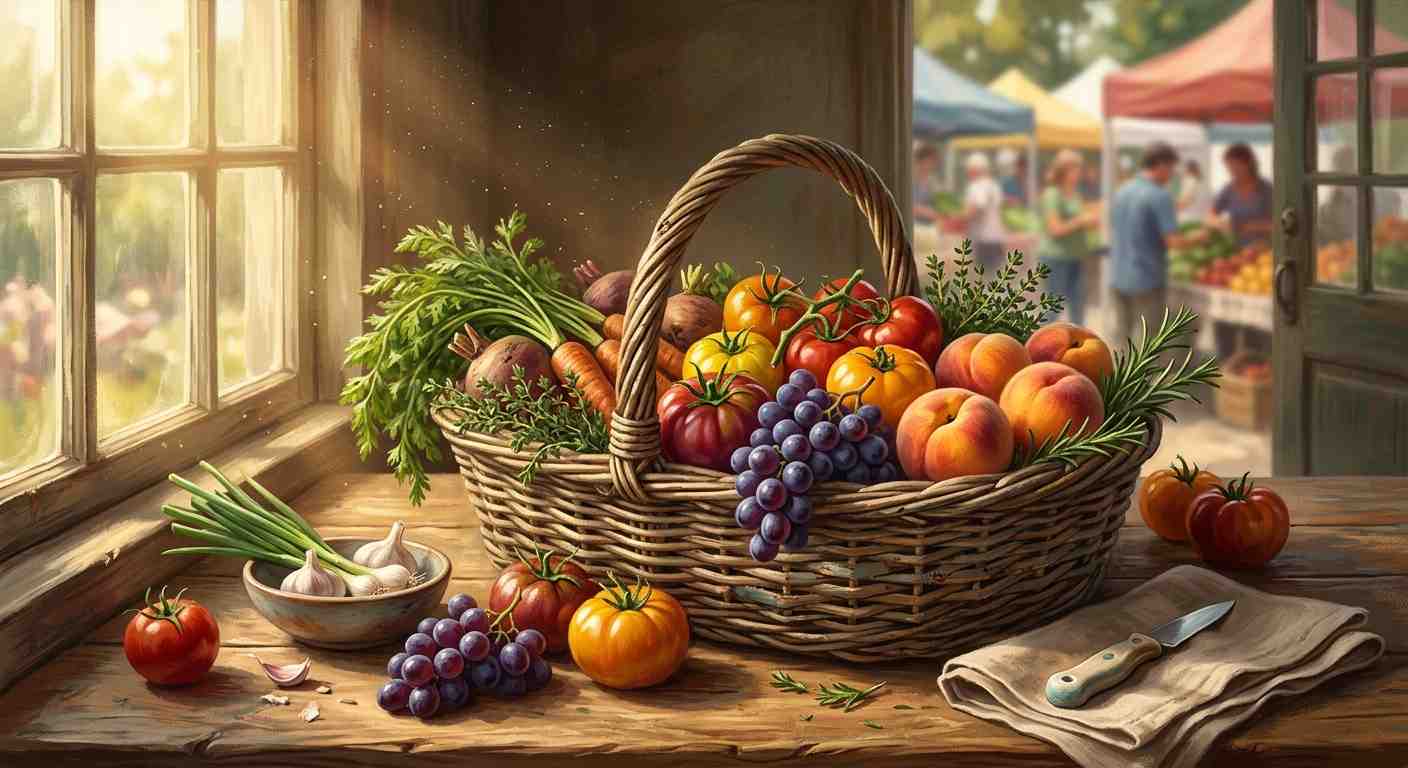
Seasonal food can give everyday cooking a changing rhythm: a vegetable appearing at a nearby market, a fruit worth enjoying while it is available, or a familiar recipe adapted to the harvest. This guide explores how to enjoy those opportunities while separating seasonality from claims about nutrition, growing methods, cost, and environmental impact. The aim is appealing, practical meals that fit your circumstances rather than one rule for every climate or household.
Embracing the Rhythm of Nature's Bounty
seasonal eating begins with understanding when a crop is harvested in a particular region. Growing conditions and weather affect availability, so a calendar is a starting point rather than a promise. [1] A locally harvested tomato or peach may offer a flavor you enjoy, but variety, maturity, handling, and storage also matter. In-season does not necessarily mean local, and a market stall may sell produce grown elsewhere. Ask where and when an item was grown if that information matters to you. Use seasonal recipes as flexible ideas: a salad, roast, soup, or pasta can change with the ingredients you find. Speaking with local farmers can help explain their harvest and growing choices. A farm-to-table label alone does not establish the source, growing method, nutritional value, or fairness of the supply chain.
Health and Wellness Advantages of Seasonal Eating
seasonal eating can encourage variety, but it does not guarantee superior nutrition. Nutrient content depends on the food, variety, maturity, storage, processing, and cooking. A review comparing fresh, frozen, and canned produce found that storage and preparation can affect comparisons, so fresh produce is not automatically the most nutritious option. [2] Nor does local food automatically mean organic or free of pesticide residues. In the United States, organic labeling has specific production and certification requirements separate from distance or harvest season. [3] A small organic-diet intervention found reductions in several urinary pesticide markers; that result concerns an organic diet, not proof that local seasonal food produces the same effect or prevents illness. [4] For health, the broader dietary pattern matters: WHO recommends variety, including fruits and vegetables, rather than a particular sourcing label. [5] Claims that seasonal produce uniquely boosts immunity, improves mood, or removes the need for other dietary considerations go beyond this evidence.
Nurturing Communities and the Planet with Local Food
Buying directly from a nearby producer can make the source of an item easier to discuss and can direct spending to that business. It does not prove that every purchase benefits the whole regional economy equally. The environmental impact of farm-to-table food also depends on production, storage, transport mode, and the type of food. A U.S. life-cycle study found that production accounted for a much larger share of food-related emissions than final delivery, illustrating why distance alone is not a complete climate measure. [6] Local sourcing is therefore not a guarantee of lower emissions. Waste reduction also requires practical action: plan quantities, store food appropriately, and freeze suitable surplus rather than assuming a shorter supply chain prevents spoilage. [7] A Community Supported Agriculture program offers another connection with a farm, typically involving shared support and some sharing of production risks and benefits. Check the actual agreement rather than assuming a guaranteed harvest or return. [8]
Unleashing Culinary Creativity with Seasonal Recipes
Let seasonal recipes respond to the ingredients you have. A ripe tomato might suit a simple tomato, mozzarella, and basil salad; roots or squash might suit a roast or soup. Taste and adjust rather than assuming the season guarantees flavor or a particular nutrient level. When you have more than you can use, freezing or a tested preservation recipe may help. For home pickling, the National Center for Home Food Preservation stresses the importance of specified acidity and ingredient proportions; do not improvise a shelf-stable process. [9] Follow tested instructions for the particular food, method, and storage conditions. A jar that seals is not, by itself, proof that the food was processed safely.
Connecting Beyond the Plate: A Lifestyle Choice
Enjoying seasonal eating can include a conversation with a grower, a new ingredient, or a meal shared with friends. If a market offers the farm-to-table connection you want, ask about the produce and the business rather than relying on the atmosphere alone. Preparing seasonal meals can be a way to explore preferences and reduce repetition. Notice the textures, aromas, and vibrant flavors you enjoy, while allowing for dietary needs, budget, access, and time. This can be a satisfying personal practice without making it a test of authenticity, gratitude, or sustainable living.
Practical Steps to Embrace Seasonal Eating
Start by checking a regional harvest guide and asking producers what is being harvested nearby. Price and abundance can offer clues but do not prove local origin or seasonality. [1] Plan a few meals around suitable fresh produce, alongside frozen or canned options that fit your needs. Buy quantities you can use and make a plan for leftovers or surplus. [7] Before joining a CSA, check the payment schedule, collection arrangements, typical share contents, substitutions, and how a poor harvest is handled. CSA models vary and can involve sharing production risk. [8] Build adaptable seasonal recipes around a few techniques instead of a long list of unfamiliar ingredients. You can try one change at a time; seasonal and local options need not replace every other source of food.
Conclusion
Eating with the seasons can add variety and interest to cooking, particularly when you know what grows in your region and enjoy trying it. Keep the wider picture in view: nutritional quality, affordability, growing practices, environmental impact, and food safety are related but distinct questions. Choose foods you can obtain, enjoy, store, and use, and treat a sourcing label as information to investigate rather than a guarantee of better health or a smaller footprint.

I'm Isabella De Luca from Italy. After 7 years working across topics related to travel and food storyteller showcasing immersive journeys, local cuisines, and cultural rituals around the world., I’ve discovered that the best writing comes from empathy, clarity, and a genuine desire to connect.