Editor's brief
This guide to culinary mastery covers essential kitchen tools, fundamental cooking techniques like sauting and braising, and smart ingredient sourcing. Learn to season expertly, embrace creativity, and troubleshoot common mistakes to transform your home cooking into an extraordinary culinary adventure.
#Home Cooking
#Culinary Skills
#Kitchen Essentials
#Cooking Techniques
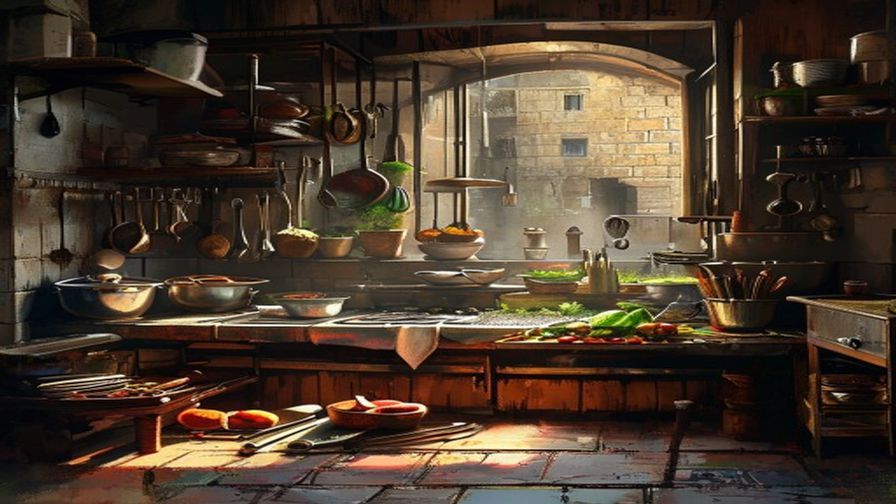
Setting the Culinary Stage: Essential Kitchen Tools In my adventures exploring kitchens from the bustling markets of Palermo to the quiet, rolling hills of Tuscany, I've discovered a universal truth: behind every truly memorable meal lies not just passion, but also preparation. It's like embarking on a grand journey; you wouldn't set off without the right gear, would you? The same philosophy applies to your kitchen. To truly unlock your culinary mastery and transform your daily meals from simple sustenance to extraordinary experiences, we must first set our stage – our culinary canvas. This involves understanding and acquiring the essential kitchen tools that will become extensions of your will, guiding your ingredients to their delicious destiny. Let's begin with the very heart of most cooking techniques: your knives. Investing in quality knives isn't a luxury; it's a fundamental cooking tip for both efficiency and safety. Forget those dull, unwieldy blades that mangle more than they cut. A sharp chef's knife, a versatile paring knife, and a sturdy serrated knife are your core kitchen essentials. Imagine trying to slice a ripe, sun-kissed tomato with a blunt knife – it’s a messy, frustrating affair. But with a sharp serrated knife, it's a smooth, effortless glide, yielding perfect, delicate rounds. Your chef's knife will become your workhorse for dicing a mirepoix for a fragrant Bolognese or finely chopping herbs for a vibrant pesto. The nimble paring knife, on the other han...
Setting the Culinary Stage: Essential Kitchen Tools
In my adventures exploring kitchens from the bustling markets of Palermo to the quiet, rolling hills of Tuscany, I've discovered a universal truth: behind every truly memorable meal lies not just passion, but also preparation. It's like embarking on a grand journey; you wouldn't set off without the right gear, would you? The same philosophy applies to your kitchen. To truly unlock your culinary mastery and transform your daily meals from simple sustenance to extraordinary experiences, we must first set our stage – our culinary canvas. This involves understanding and acquiring the essential kitchen tools that will become extensions of your will, guiding your ingredients to their delicious destiny.
Let's begin with the very heart of most cooking techniques: your knives. Investing in quality knives isn't a luxury; it's a fundamental cooking tip for both efficiency and safety. Forget those dull, unwieldy blades that mangle more than they cut. A sharp chef's knife, a versatile paring knife, and a sturdy serrated knife are your core kitchen essentials. Imagine trying to slice a ripe, sun-kissed tomato with a blunt knife – it’s a messy, frustrating affair. But with a sharp serrated knife, it's a smooth, effortless glide, yielding perfect, delicate rounds. Your chef's knife will become your workhorse for dicing a mirepoix for a fragrant Bolognese or finely chopping herbs for a vibrant pesto. The nimble paring knife, on the other hand, is your precision tool for more intricate tasks, like segmenting citrus or peeling delicate fruits. Just as a sculptor needs precise tools, a home cook needs sharp knives to execute even the simplest preparations with grace and confidence.
Beyond the blade, your choice of cookware forms the foundation of countless dishes. To truly elevate your home cooking, choose durable cookware suited for different tasks. Think of it as building a wardrobe for your kitchen, each piece serving a unique purpose. A reliable non-stick pan is indispensable for delicate items like fluffy scrambled eggs or perfectly seared fish, ensuring nothing clings and cleanup is a breeze. Then there's the venerable cast iron skillet – a true hero in my Italian nonna’s kitchen and a secret weapon for culinary mastery. Its ability to retain and distribute heat evenly is unparalleled, making it perfect for achieving that deep, crusty sear on a steak or crisping up some delectable focaccia. And for simmering rich sauces, hearty soups, or slow-cooked stews, a good quality, heavy-bottomed pot is your steadfast companion, preventing scorching and allowing flavors to meld beautifully. Each piece of cookware, carefully chosen, will profoundly impact the outcome of your dishes, turning good ingredients into great meals.
Now, let's talk about a simple yet crucial cooking tip often overlooked: understanding your cutting boards. This isn't just about aesthetics; it's about food safety. Keep separate boards for raw meats and produce to prevent cross-contamination. Envision yourself preparing a vibrant salad, then turning to raw chicken on the same surface – it's a direct invitation for unwanted bacteria. By dedicating one board (perhaps a distinctively colored plastic one) to raw proteins and another (maybe a beautiful wooden board) to vegetables, fruits, and cooked foods, you create a clear boundary, safeguarding your health and the integrity of your ingredients. This small organizational habit is a testament to mindful cooking techniques.
Precision is paramount, especially when venturing into the delicate world of baking or intricate recipes. This is where utilizing measuring tools accurately becomes key. While Italian grandmothers often cook by intuition, a pinch of this and a handful of that, even they understand the importance of proportions for classic dishes like tiramisu or fresh pasta dough. Reliable measuring cups and spoons are non-negotiable for consistent results. Dry ingredients require specific leveled measurements, different from the pour-and-read method for liquids. Investing in a good set ensures that your recipes turn out as intended, every single time, rather than a frustrating guessing game. It's the difference between a perfectly risen cake and a dense brick, proving that even a little exactitude goes a long way in achieving culinary success.
And what about those unsung heroes, the often-underestimated kitchen gadgets? Don't overlook them! A sturdy whisk, a reliable peeler, and a good can opener, while seemingly small, contribute significantly to smooth cooking processes and reduce everyday kitchen frustrations. A proper whisk, for instance, can aerate egg whites into cloud-like peaks for a flawless meringue or emulsify a vinaigrette to silky perfection. A sharp peeler isn't just about removing skin; it’s about doing so efficiently and safely, whether you're working with potatoes, carrots, or even delicate strips of Parmesan for a garnish. And who hasn't struggled with a flimsy can opener, wrestling with a simple can of tomatoes when all you want to do is get cooking? These modest kitchen essentials are like the reliable compass and sturdy backpack of a traveler—they make the journey infinitely more pleasant and efficient.
Finally, just as a well-planned itinerary makes for a stress-free trip, organize for efficiency in your kitchen. A well-organized pantry and easy-to-access tools reduce stress and save precious time, enhancing your overall home cooking experience. Imagine knowing exactly where your olive oil is, or being able to grab your favorite spatula without rummaging through a cluttered drawer. By arranging your spices alphabetically, keeping frequently used items within arm's reach, and decluttering regularly, you create a harmonious workflow. This isn't just about tidiness; it’s a crucial cooking tip that fosters a sense of calm and control, allowing you to focus on the joy of creation rather than the chaos of searching. With your culinary canvas thoughtfully set up, you're not just cooking; you're embarking on a delicious adventure, ready to transform basic ingredients into extraordinary culinary experiences with ease and confidence.
Mastering Fundamental Cooking Techniques
When I travel, one of the greatest joys is witnessing how a few simple, well-executed techniques can transform humble ingredients into a meal that sings on the palate. It's a kind of culinary alchemy, and the beautiful truth is that this "secret sauce" isn't a hidden ingredient, but rather the mastery of fundamental cooking techniques. These aren't just for Michelin-star chefs; they are the kitchen essentials that empower all of us to elevate our daily home cooking, turning basic ingredients into extraordinary culinary experiences. Let's embark on a journey through these foundational skills, the true pillars of culinary mastery.
First, consider the sizzle and aroma of sautéing for quick flavor development. This is where many delicious stories begin. Imagine a bustling Italian kitchen: a generous glug of olive oil shimmers in a pan, heating just right before garlic, chili flakes, and maybe some ripe cherry tomatoes hit the surface. The magic here lies in proper heat control – too low, and your ingredients steam; too high, and they burn. A perfectly heated pan allows for the Maillard reaction, caramelizing the natural sugars and proteins on the surface of your food, creating a beautiful sear and concentrating flavors within minutes. Think about how a quick sauté of mushrooms develops an earthy depth, or how vibrant green beans become tender-crisp, bursting with fresh taste. This simple technique, perfected across countless world cuisines, is your go-to for building an immediate flavor base for sauces, stir-fries, or just a quick side dish.
Next, we move to the transformative power of roasting for depth. While sautéing offers quick bursts of flavor, roasting allows time and even, high heat to coax out incredible sweetness and complexity. Picture plump root vegetables, like carrots or potatoes, tossed with a good quality extra virgin olive oil, a sprinkle of sea salt, and some fragrant rosemary. Spread them in a single layer on a baking sheet, and let the oven do its work. As the high temperatures embrace them, their natural sugars caramelize, creating a delightful crisp exterior and a tender, melt-in-your-mouth interior. This technique isn't just for vegetables; a beautifully roasted chicken or a slow-roasted pork shoulder develops an incomparable crust and deeply flavorful meat, showcasing a true aspect of culinary mastery. It’s the kind of comforting aroma that fills a home, promising a wholesome and deeply satisfying meal.
From the dry heat of roasting, let's dive into the gentle embrace of liquid with simmering for rich sauces. This technique is the heart and soul of so many beloved dishes, from robust ragùs to nourishing broths. True flavor development here comes from patience. Gentle heat, just below boiling, allows ingredients to slowly release their essence, melding together over time. Imagine a classic Bolognese sauce, bubbling softly on the stove for hours, as tomatoes, herbs, and meat intertwine into a rich, velvety concoction. Or consider a flavorful vegetable stock, slowly extracting nutrients and taste from aromatics. Simmering is essential for reducing liquids, concentrating flavors, and achieving that luscious consistency perfect for stews, soups, and gravies, an indispensable part of many essential cooking techniques.
For those tougher cuts of meat that promise immense flavor but demand a gentle hand, braising for tender meats is your answer. This technique combines an initial sear, locking in rich flavors and color, with a long, slow cook in a small amount of liquid, often wine or broth, in a covered pot. Think of a succulent Italian osso buco, where veal shanks, after a quick sear, are slowly cooked in white wine, vegetables, and broth until they are fork-tender and practically falling off the bone. The moist, low heat breaks down connective tissues, transforming what might otherwise be a chewy cut into an incredibly tender and flavorful dish. Braising truly showcases skilled cooking techniques, offering a rewarding culinary journey that results in deeply satisfying, hearty meals.
To add a vibrant splash of color and crispness to your plate, we turn to blanching for vibrant vegetables. This is one of my favorite cooking tips for maintaining both the beauty and nutritional value of fresh produce. It involves briefly plunging vegetables into boiling salted water, then immediately transferring them to an ice bath to halt the cooking process. This shock-treatment preserves their bright color, crisp texture, and vital nutrients. Imagine serving a platter of perfectly blanched green beans or asparagus, their vivid green hues practically jumping off the plate, a stark contrast to their dull, overcooked counterparts. It’s an invaluable technique for preparing vegetables for salads, stir-fries, or simply as a refreshing side.
No discussion of flavor foundations would be complete without understanding pan deglazing. After you've seared meat or sautéed vegetables, you'll notice a delicious, browned residue clinging to the bottom of your pan – culinary gold, or as the French call it, "fonds." Don't wash it away! This technique involves adding a liquid, such as wine, broth, or even water, to the hot pan and gently scraping up those browned bits. This process creates an instant, intensely flavorful sauce, transforming what might be considered leftover residue into a key component of your dish. It's a brilliant move in home cooking, turning a simple pan sear into a rich, integrated sauce, proving to be a key step in many dynamic cooking techniques.
Finally, for delicate ingredients that require the gentlest touch, we have perfecting poaching. This elegant cooking technique involves gently cooking food, such as fish or eggs, in simmering liquid. The key is to maintain a consistent, low temperature, ensuring the liquid never comes to a rolling boil. This method is superb for preserving the moisture and delicate texture of foods. Picture a perfectly poached egg, its yolk still runny, nestled atop a piece of crusty bread, or a flaky white fish, tender and moist from its bath in aromatic court bouillon. Poaching is all about subtlety and precision, allowing the natural flavors of the ingredient to shine through, unmasked by harsh cooking methods.
Smart Ingredient Sourcing and Preparation
From the sun-drenched markets of Italy to the bustling spice bazaars of Marrakech, my culinary adventures have taught me one undeniable truth: the magic in a dish often begins long before the first sizzle in the pan. It starts with the ingredients themselves and how we prepare them. Think of it as laying the groundwork for an unforgettable journey; without a well-packed bag and a clear itinerary, even the most exciting destination can lose its sparkle. This section delves into the fundamental cooking tips and cooking techniques that transform everyday ingredients into extraordinary culinary experiences, elevating your daily home cooking to new heights of culinary mastery.
First and foremost, let's talk about the soul of any great meal: prioritizing fresh, seasonal produce. It’s more than just a preference; it’s a revelation. When you choose ingredients at their peak, bursting with natural flavors and vital nutrients, you’re not just cooking; you’re letting nature do half the work for you. Imagine the vibrant sweetness of a perfectly ripe Florentine tomato in August, still warm from the sun, compared to its pale, flavorless winter counterpart. There’s simply no competition. Seasonal eating connects you to the rhythm of the earth, ensuring that every bite offers superior flavor and nutritional value, making every meal taste better. This isn't just a top cooking tip; it's a philosophy that underpins the best cuisines worldwide, encouraging us to savor what's truly available and vibrant.
Equally vital, and a cornerstone of mindful home cooking, is the practice of reading labels carefully. In our fast-paced world, it’s easy to grab pre-packaged items, but pausing to understand what’s actually in your food is crucial. Turn that packet over! Are there ingredients you can’t pronounce, or a list longer than your arm? Understanding additives, preservatives, excessive sugars, and unhealthy fats empowers you to make informed choices about quality and health. My travels have shown me that the most authentic and delicious foods are often the simplest, with ingredients you recognize. This careful scrutiny of labels is an essential step towards true culinary mastery, as it means you’re in control of what nourishes your body and delights your palate.
Now, let’s talk strategy in the kitchen: practice mise en place. This beautiful French phrase, meaning "everything in its place," is perhaps the single most impactful cooking technique you can adopt for stress-free home cooking. Before you even think about turning on the stove, gather, chop, measure, and organize all your ingredients. Dicing your onions, mincing your garlic, measuring your spices, and having your broths ready before you start cooking streamlines the entire process. It’s like mapping out your travel itinerary before you depart; you know exactly where you’re going and what you need, preventing those last-minute panics and chaotic dashes for ingredients. This systematic approach isn't just for professional chefs; it's a cornerstone of culinary mastery for any home cook looking for a smoother, more enjoyable experience.
Once you’ve sourced your fantastic ingredients, the next hurdle is keeping them that way. Learning how to store ingredients properly is an often-overlooked kitchen essential that extends freshness and prevents waste, saving you money and heartache. Think of fresh herbs, those vibrant green gems; instead of letting them wilt in their packaging, trim their stems and place them in a glass of water, much like a bouquet, then cover loosely and refrigerate. Onions and potatoes prefer a cool, dark, and dry place, not the refrigerator, where moisture can shorten their lifespan. Leafy greens benefit from a damp paper towel wrap before being placed in an airtight container. Mastering these simple storage cooking tips is a testament to respecting your ingredients and the effort that went into producing them, making your pantry a true arsenal for home cooking.
Finally, let's shine a spotlight on the unsung heroes, the flavor architects of countless dishes: utilize aromatics. Onions, garlic, and celery – often joined by carrots – form what many chefs call the "holy trinity" or soffritto in Italian cuisine. Mastering their preparation, from a gentle sweat to a golden sauté, is vital for building a robust flavor base. These humble ingredients, when properly handled, infuse your oils and liquids with layers of depth and complexity, setting the stage for everything that follows. Whether you’re crafting a hearty ragù, a comforting soup, or a zesty stir-fry, the aroma and flavor imparted by these kitchen essentials are foundational. Understanding how to coax the best from these aromatics is a fundamental cooking technique that elevates even the simplest home cooking and is a clear sign of developing culinary mastery.
The Art of Seasoning: A Key to Extraordinary Taste
Ah, the symphony of flavors! As a storyteller of global cuisines, I've had the immense pleasure of savoring dishes from bustling Roman trattorias to remote village kitchens across the world. And what I've learned, time and again, is that the real magic, the "secret sauce" if you will, often lies not in exotic ingredients, but in the intelligent application of something utterly fundamental: seasoning. This isn't just about making food salty; it’s a profound cooking technique that elevates basic ingredients into an extraordinary culinary experience, transforming your daily meals into unforgettable journeys for the palate.
Let's begin with the unsung hero, our best friend in the kitchen: salt. Forget the notion that salt merely makes food "salty." Instead, embrace it as a magnificent flavor enhancer, a true cornerstone of culinary mastery. Think of it like this: just as a beautiful fresco needs layers of paint to achieve depth, your dishes benefit from layers of salt. I always begin by seasoning ingredients lightly as I cook them – a pinch in the pasta water, a whisper over sautéing vegetables – allowing the flavors to build gradually. This foundational approach ensures that every component is vibrant, not just the final product. Then, and only then, do I adjust at the very end, adding that final sprinkle to bring everything into perfect harmony. It’s a crucial cooking tip for home cooking that differentiates a good dish from a truly great one.
But seasoning isn't a solo act; it's a carefully choreographed dance. Next, we invite acidity to the party. A squeeze of fresh lemon juice over grilled fish, a dash of red wine vinegar in a rich stew, or even the subtle tang of tomato paste in a slow-simmered ragù – these small additions are often overlooked cooking tips, yet they possess the power to brighten flavors, cutting through richness and preventing a dish from feeling heavy or one-dimensional. Imagine a vibrant Italian Caprese salad without the balsamic glaze or a spritz of fresh basil oil; it simply wouldn't sing! Acidity provides that vital counterpoint, awakening the taste buds and creating a more dynamic and refreshing experience.
Now, let's venture into the fragrant world of herbs and spices, an adventurous playground for any aspiring chef. Don't be afraid to experiment with new combinations; it's how you discover your own signature flavors! A general rule of thumb, one that I picked up during my explorations of spice markets, is that dried herbs, like oregano in a hearty tomato sauce or rosemary with roasted potatoes, benefit from being added earlier in the cooking process. This allows their robust essential oils to fully infuse the dish. Fresh herbs, on the other hand – think bright basil over a margherita pizza or delicate parsley stirred into a risotto – are best added towards the very end, preserving their vibrant color, delicate aroma, and fresh, herbaceous notes. It’s all part of mastering subtle cooking techniques.
Yet, with all these wonderful ingredients at our disposal, the most important rule of seasoning remains steadfast: taste as you go. This isn't just a suggestion; it’s a fundamental cooking tip that acts as your compass in the kitchen. It’s much easier to add a little more salt, a touch more acidity, or another pinch of spice than it is to try and salvage an over-seasoned dish. Constantly sampling your creation, adjusting and tweaking, allows you to guide its flavor profile, much like a sommelier discerning the nuances of a fine wine. This iterative process is key to achieving consistent success in your home cooking.
And speaking of depth, let's talk about umami, that wonderfully savory, almost meaty fifth taste that can elevate a dish from merely good to truly extraordinary – a genuine secret to culinary mastery. Ingredients like earthy mushrooms, grated Parmesan cheese (a staple in my Italian kitchen!), and a splash of soy sauce or even a few anchovies (my secret weapon in many sauces) add a profound savory depth that lingers on the palate. These umami-rich components provide a comforting roundness and complexity, making your dishes more satisfying and memorable.
For those eager to unlock even more flavor, consider this powerful cooking technique: gently toasting whole spices. Whether it’s cumin seeds for a hearty lentil dish or fennel seeds destined for a rustic sausage ragù, a quick sauté in a dry pan over medium heat releases their potent essential oils and intensifies their flavor. The difference is remarkable – a deeper, more aromatic, and nuanced spice profile that simply can’t be achieved with untoasted counterparts. It's a small step that yields immense rewards, a truly worthwhile kitchen essential skill.
And let's not forget the humble, yet mighty, black pepper. While often overshadowed, freshly ground black pepper adds a pungent warmth and subtle heat that complements almost any savory dish. It's not just about adding spice; it provides a clean, bright counterpoint that lifts other flavors, making it a simple yet effective kitchen essential. The pre-ground stuff simply doesn't compare to the vibrant aroma and kick of freshly cracked peppercorns.
Finally, think about texture through seasoning. A sprinkle of flaky sea salt, like Maldon, at the very end of a dish isn't just for flavor; it adds a delightful, unexpected crunch and a burst of salinity that enhances the overall eating experience. Imagine it on perfectly roasted vegetables, a succulent steak, or even a rich chocolate dessert – the textural contrast is pure joy. It's a testament to how even the simplest cooking tips can profoundly impact our perception of a meal, transforming everyday dishes into memorable culinary adventures right in your own home.
Beyond the Recipe: Embracing Creativity in Your Home Kitchen
As a storyteller who's spent years wandering through markets and kitchens from Sicily to Saigon, I've learned that the true heart of cooking isn't found in a perfectly followed recipe. It’s in the joyful improvisation, the confidence to make a dish uniquely your own, and the sheer delight of turning simple ingredients into something extraordinary. This section is about unlocking that creativity in your home kitchen, moving beyond the confines of instructions to discover your own culinary mastery.
One of the most liberating cooking tips I can offer is to build a deep understanding of flavor profiles. Think of it as learning the language of ingredients. Just as Italian is built on a melodious rhythm, flavors have inherent harmonies. Imagine the robust earthiness of rosemary dancing with lamb, a classic pairing I’ve savored many times in the Tuscan countryside. Or the bright, acidic sweetness of basil elevating a sun-ripened tomato, a combination that defines the very essence of southern Italian cuisine. When you grasp these natural affinities – what complements, what contrasts, what enhances – you gain the freedom to confidently improvise. No longer are you just following steps; you're composing a culinary symphony, a truly empowering step towards genuine culinary mastery.
Equally important for resourceful home cooking is learning to adapt recipes to your pantry. How many times have you started a recipe only to find you're missing that one crucial ingredient? Instead of abandoning ship, view it as an opportunity. As a traveler, I've often found myself in kitchens with limited or unfamiliar ingredients, forcing me to get creative. If a recipe calls for fresh thyme but you only have dried oregano, consider the flavor profile – both are aromatic herbs. Or perhaps you're out of spinach for a pasta dish; could chard or even kale step in? Understanding the function and characteristic of an ingredient allows you to make smart substitutions based on what you have on hand, transforming potential frustration into a delightful discovery and proving to be an invaluable cooking tip for everyday meals.
As you navigate your culinary adventures, you’ll start to trust your instincts. This is where true culinary mastery truly begins to blossom. After years of experimenting and observing, I’ve found that the best chefs, much like the nonnas in Italian villages, rarely measure precisely. They taste, they adjust, they feel. Does this sauce need a touch more acidity? A pinch of chili for warmth? Sometimes, that simple, intuitive pinch of something extra is all it takes to elevate a dish from good to unforgettable. This sixth sense, developed through practice and a genuine connection to your food, allows you to craft dishes that truly sing, embodying the essence of effective cooking techniques.
Another smart cooking tip, especially for sustainable and flavorful home cooking, is to repurpose leftovers creatively. In Italy, waste not, want not is a culinary mantra, and there’s a wonderful satisfaction in transforming yesterday's meal into tomorrow’s delight. That succulent roasted chicken from Sunday dinner? It can easily become the star of vibrant chicken tacos on Monday, or perhaps shredded into a fresh, zesty salad for lunch. Leftover risotto can be shaped into crispy arancini, and roasted vegetables can be folded into a frittata or blended into a rich pasta sauce. It’s an adventure in minimizing waste while inspiring entirely new, exciting meals, proving that a little imagination is a key kitchen essential.
To further elevate your repertoire and truly embody essential cooking techniques, strive to master a few versatile sauces. These foundational sauces are your culinary building blocks, opening up a world of possibilities for customizing dishes. Imagine the power of a basic vinaigrette – not just for salads, but as a marinade for grilled vegetables or a bright finish for pan-seared fish. A classic béchamel can transform into a cheesy mornay for gratins or a creamy lasagna layer. And, of course, a simple, homemade tomato sauce (our beloved sugo) forms the heart of countless Italian dishes, from pasta to polenta. These aren't just recipes; they are kitchen essentials that grant you the freedom to create endlessly.
Finally, as a storyteller who cherishes memories and discoveries, I wholeheartedly recommend keeping a cooking journal. Note down those successful experiments, the brilliant ingredient swaps, the personal adjustments that made a recipe truly yours. Perhaps you discovered that a touch of orange zest brightened your slow-cooked lamb, or that smoked paprika added an unexpected depth to your lentil soup. This isn’t just a collection of recipes; it’s a living record of your culinary journey, a testament to your developing skills, and a treasure trove for building your unique culinary repertoire. It's a key step in documenting your path to becoming a true master of your kitchen, where every meal is an adventure, and every dish tells a story.
Troubleshooting and Learning from Mistakes: A Path to Culinary Growth
My journey as a food storyteller has taken me from bustling Roman trattorias to quiet fishing villages along the Amalfi Coast, and one truth remains universal: every chef, regardless of their culinary mastery, has had their share of kitchen mishaps. It's not about avoiding failure; it's about embracing it as an invaluable teacher. Think of cooking like navigating a new city – sometimes you take a wrong turn, but often, those detours lead to the most memorable discoveries. Don't be afraid to fail; view every little stumble as a learning opportunity, a chance to refine your cooking techniques and deepen your understanding of ingredients.
We’ve all been there, standing over a simmering pot, only to realize we’ve been a little too enthusiastic with the salt shaker. An over-salted dish can feel like a culinary catastrophe, but it's easily remedied with a clever cooking tip. If your sauce or soup is too salty, simply drop in a few peeled, raw potato slices. The starch in the potato will work its magic, absorbing some of that excess salinity. Just remember to remove them before serving! Alternatively, you can dilute the dish with more unsalted broth, water, or even a touch of cream if it complements the flavor profile. It’s a simple adjustment, much like adding an extra splash of olive oil to a perfectly balanced bruschetta.
Another common pitfall in home cooking is the dreaded burnt offering. Whether it’s garlic sizzling too quickly or a roast getting a little too crisp, burning food usually points to one culprit: uncontrolled heat. The solution is immediate adjustment. Learn to truly listen to your ingredients – a gentle sizzle is good, an angry crackle means it’s time to dial back the flame. Mastering your stove and oven temperatures effectively is a key cooking technique. Think of it like conducting an orchestra; each instrument (or burner) needs precise control to achieve harmony. Often, we’re too impatient, eager to rush the process, but patience with heat management will yield beautifully cooked results.
Have you ever looked forward to crisp, vibrant roasted vegetables, only to pull a pan of soggy, steamed sadness from the oven? The culprit here is often overcrowding the pan. When vegetables are packed too tightly, they release their moisture, and instead of browning and caramelizing, they end up steaming in their own juices. This is a common pitfall in home cooking. To achieve that irresistible golden crispness, give your vegetables space – ample room for air to circulate and for the heat to work its magic directly on the surfaces. A little extra parchment paper and a second baking sheet are simple kitchen essentials that can make all the difference, transforming those humble veggies into stars.
Then there's the challenge of tough meat. We've all wrestled with a steak that resisted the fork, or a stew where the beef remained stubbornly chewy. For certain cuts of meat, especially those destined for braises or stews, the problem isn't often that you've overcooked it, but rather that you haven't cooked it long enough at a low temperature. Sometimes, tough meat just needs more low and slow cooking to break down those connective tissues and become wonderfully tender and succulent. This understanding of how different cuts respond to heat and time is a sign of understanding advanced cooking techniques. It’s a lesson in patience, much like slow-traveling through a region, allowing its true character to reveal itself over time.
Finally, a sauce that’s too thin can leave a dish feeling incomplete, lacking that luxurious mouthfeel. Thankfully, this is another easily rectifiable issue. The simplest method is reduction: simmering your sauce longer will evaporate excess liquid, concentrating its flavors and naturally thickening it. This is a fundamental concept in culinary mastery. If you’re short on time or need a more immediate solution, a cornstarch slurry (cornstarch mixed with an equal part of cold water) or a well-made roux (butter and flour cooked together) are invaluable kitchen essentials to have in your repertoire. These thickening agents can rescue a watery sauce, giving it the body and texture it deserves.
Remember, cooking is an ongoing journey, an adventure of flavors and textures that continuously unfolds. My own culinary explorations across Italy and beyond have taught me that every "mistake" is merely a stepping stone on the path to greater culinary mastery. Continuous learning and experimentation are not just part of the fun of home cooking; they are the very essence of it. So, don’t be discouraged by a less-than-perfect dish. Instead, learn from it, adapt, and keep exploring the endless possibilities your kitchen holds. Each stumble brings you closer to perfecting your own secret sauce.
Embracing these essential cooking tips and techniques will not only transform your daily meals but will also deepen your appreciation for the culinary arts. So, roll up your sleeves, sharpen your knives, and embark on your own delicious adventure in the kitchen. Your extraordinary culinary journey awaits!
References
- "The 3 Knives Every Home Cook Needs". The New York Times. [online]. Available: View source
- "Why cast iron skillets are a secret weapon in the kitchen". Fine Cooking. [online]. Available: View source
- "Food Safety at Home: Preventing Cross-Contamination". USDA. [online]. Available: View source
- "How to Accurately Measure Ingredients". The Spruce Eats. [online]. Available: View source
- "How to Organize Your Kitchen for Efficiency". Good Housekeeping. [online]. Available: View source
- "What is the Maillard Reaction and How Does it Affect Cooking?". Serious Eats. [online]. Available: View source
- "The Science of Roasting Vegetables". Food Network. [online]. Available: View source
- "Braising: The Cooking Method for Tender, Flavorful Meats". The Kitchn. [online]. Available: View source
- "Blanching vegetables: a quick guide". BBC Good Food. [online]. Available: View source
- "Deglazing a Pan: A Simple Way to Make a Delicious Sauce". Allrecipes. [online]. Available: View source
- "The Benefits of Eating Seasonal Produce". Harvard Health. [online]. Available: View source
- "How to Read Food Labels". EatRight.org (Academy of Nutrition and Dietetics). [online]. Available: View source
- "Mise en Place: The Secret to Stress-Free Cooking". Food52. [online]. Available: View source
- "How to Store Food to Keep it Fresh". Taste of Home. [online]. Available: View source
- "Salt: The Ultimate Flavor Enhancer". Bon Appétit. [online]. Available: View source
- "Why Chefs Use Acid in Cooking". MyRecipes. [online]. Available: View source
- "A Guide to Cooking with Fresh vs. Dried Herbs". The Old Farmer's Almanac. [online]. Available: View source
- "What is Umami?". Umami Information Center. [online]. Available: View source
- "How to Toast Spices". Food & Wine. [online]. Available: View source
- "Flavor Pairings: A Guide to Complementary Tastes". Serious Eats. [online]. Available: View source
- "Ingredient Substitutions for Common Cooking & Baking Needs". Betty Crocker. [online]. Available: View source
- "Creative Ways to Use Leftovers". EatingWell. [online]. Available: View source
- "Mastering Basic Mother Sauces". Culinary Institute of America. [online]. Available: View source
- "How to Fix an Overly Salty Dish". Kitchn. [online]. Available: View source
- "Troubleshooting Cooking Mistakes: Burnt Food". Food Network. [online]. Available: View source
- "How to Roast Vegetables So They're Never Soggy". Real Simple. [online]. Available: View source
- "Why Is My Meat Still Tough After Cooking For So Long?". Spoon University. [online]. Available: View source
- "How to Thicken a Sauce". Simply Recipes. [online]. Available: View source

I'm Isabella De Luca from Italy. After 7 years working across topics related to travel and food storyteller showcasing immersive journeys, local cuisines, and cultural rituals around the world., I’ve discovered that the best writing comes from empathy, clarity, and a genuine desire to connect.