Editor's brief
This article explores the world of luxury spirits and fine wines, highlighting craftsmanship, heritage, and unique qualities. It covers fine wine, whisky appreciation, global drinks, aperitifs, and the artistry behind these exceptional beverages.
#luxury spirit
#fine wine
#craftsmanship
#global drink
Introduction Embark on a captivating journey through the world of luxury spirits and fine wines, where craftsmanship, heritage, and the art of savoring come together to create unforgettable experiences. From the rolling vineyards to the distinguished distilleries, explore the unique stories behind these coveted libations, delving into the nuances that elevate them beyond mere beverages. The Allure of Aged Elixirs: A Timeless Tradition The pursuit of exceptional drinks goes beyond mere taste; it's a journey through history, where each bottle tells tales of tradition, innovation, and the patient hand of time. The world's most coveted libations, from the vineyards of Bordeaux to the Highlands of Scotland, possess a rich heritage, elevating them into objects of art and cultural significance. This allure stems not just from flavor, but also from centuries of dedication [1]. Consider the legacy of vineyards where families have cultivated vines for generations [2]. These estates have built reputations for fine wine across harvests, their methods evolving with technology while rooted in ancestral wisdom. They pass down knowledge of soil, climate, and grape varietals. Meticulous pruning techniques honed over decades, the understanding of when to harvest, and the careful selection of oak barrels all contribute to a wine's quality and consistency. This commitment to tradition, along with innovation, distinguishes these vineyards. Whisky appreciation begins with understanding the terroir...
Introduction
Embark on a captivating journey through the world of luxury spirits and fine wines, where craftsmanship, heritage, and the art of savoring come together to create unforgettable experiences. From the rolling vineyards to the distinguished distilleries, explore the unique stories behind these coveted libations, delving into the nuances that elevate them beyond mere beverages.
The Allure of Aged Elixirs: A Timeless Tradition
The pursuit of exceptional drinks goes beyond mere taste; it's a journey through history, where each bottle tells tales of tradition, innovation, and the patient hand of time. The world's most coveted libations, from the vineyards of Bordeaux to the Highlands of Scotland, possess a rich heritage, elevating them into objects of art and cultural significance. This allure stems not just from flavor, but also from centuries of dedication [1].
Consider the legacy of vineyards where families have cultivated vines for generations [2]. These estates have built reputations for fine wine across harvests, their methods evolving with technology while rooted in ancestral wisdom. They pass down knowledge of soil, climate, and grape varietals. Meticulous pruning techniques honed over decades, the understanding of when to harvest, and the careful selection of oak barrels all contribute to a wine's quality and consistency. This commitment to tradition, along with innovation, distinguishes these vineyards.
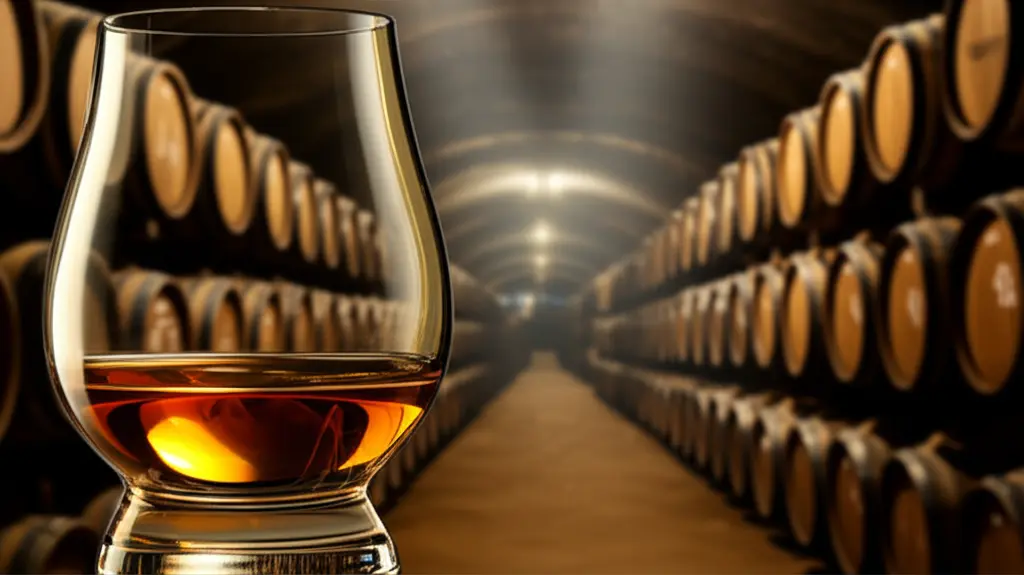
Whisky appreciation begins with understanding the terroir, the region and conditions shaping its unique profile [3]. It's about the water source, the climate influencing maturation in oak barrels, and the air permeating the distillery walls. Variations in these factors contribute to the characteristics of whiskies from regions like Scotland, Ireland, or Japan. A smoky Islay Scotch owes its flavor to the peat used in malting, while a Speyside single malt might have a fruitier profile due to sherry casks. Understanding these nuances allows one to appreciate the artistry involved.
The appreciation of luxury spirits extends beyond mere consumption; it's an embrace of the legacy and expertise in each sip. It's about the master distiller overseeing every stage, from grain selection to distillation timing. It's about understanding the significance of oak barrels, sourced from specific forests and charred to impart flavors. And it's about appreciating the art of blending, where casks are combined to create a harmonious product. To savor a luxury spirit is to acknowledge the passion invested in its creation [4].
Many brands meticulously preserve age-old recipes and techniques, ensuring the beverage culture remains authentic. Consider herbal liqueurs crafted according to secret formulas passed down through monastic orders, or traditional methods for artisanal tequila in family-owned distilleries. These brands safeguard a cultural heritage, a tradition refined over centuries [5]. This dedication resonates with consumers seeking more than just a drink; they seek an experience, a connection to the past, and a glimpse into craftsmanship.
Global drinks represent cultural heritage, often enjoyed during special occasions. Champagne embodies the spirit of celebration [6]. Certain sakes are ingrained in Japanese cultural traditions, served during religious ceremonies. These drinks are symbols of cultural identity, used to mark milestones and strengthen social bonds, representing shared history and values.
Consider the meticulous craftsmanship in creating a single bottle, from raw materials to blending [7]. The process is like a master craftsman creating art. From selecting the finest grapes or grains to controlling fermentation and distillation, every step is executed with precision. The aging process, lasting for decades, requires monitoring to ensure the spirit develops its character. The blending process, where casks are combined to create a harmonious product, is a true art form, requiring experience. This dedication elevates these drinks to luxury.
From Terroir to Table: Unveiling the Secrets of Fine Wine
The world of fine wine is woven from nature's bounty and human artistry, where the essence of a place is bottled for pleasure. At its heart lies terroir, the interplay of soil, climate, and geography that dictates a wine's character. Imagine the slopes of Tuscany, where limestone-rich soil, Mediterranean breezes, and hills impart elegance to Sangiovese grapes, shaping Chianti Classico. Or consider the terroir of the Mosel Valley in Germany, where vineyards benefit from sunlight reflection, yielding Rieslings with acidity, minerality, and floral aromas. Understanding terroir is appreciating the differences between fine wines [8].
Once the grapes have absorbed their terroir, expert winemakers take over. These artisans manage every stage, from yeast selection to fermentation temperatures, to coax the best from the grapes. Consider élevage, the art of aging wine, where winemakers select oak barrels imparting notes of vanilla, spice, or toast. The duration and type of oak influence the wine's structure and aging potential. This craftsmanship, passed down through generations, transforms grapes into liquid poetry [9].
The true reward comes when the cork is pulled, and the wine is poured. Tasting notes unlock the wine’s hidden depths. More than descriptors, they reveal the wine's story. A hint of black cherry might evoke memories of orchards, while cedar may transport you to aging cellars. Graphite may hint at the mineral-rich soil. Consider a mature Bordeaux, where aging has softened tannins, melded flavors, and unveiled tertiary aromas like leather and tobacco. These complexities are the result of time and craftsmanship. Learning to decipher these tasting notes enriches the experience [10].
Collecting fine wine represents another dimension of appreciation – an art form. It demands understanding vintages, varietals, and producers, as well as knowledge of storage conditions. Understanding vintage charts, which rank the quality of wines, is crucial for purchasing. Maintaining a consistent temperature and humidity in a cellar is essential for preserving the wine's integrity. Keeping abreast of market trends can transform a passion into an investment. However, the true value lies in sharing it with friends and family [11].
Wine’s significance extends beyond the cellar; it's woven into our global beverage culture. From ancient rituals to modern celebrations, wine has been a constant companion, marking milestones and enhancing connections. Its presence on the dining table signifies hospitality and a commitment to savoring life. Wine elevates the everyday meal, fostering conversation [12].
Selecting the perfect wine to complement a dish can transform an ordinary meal into an unforgettable experience. A crisp Sauvignon Blanc can cut through the richness of creamy goat cheese, while a bold Cabernet Sauvignon can stand up to grilled steak. The goal is to create a balance, where wine and food enhance each other. Mastering wine pairing is a delightful exploration that will enrich your dining experience [13].
The world of fine wine is a testament to craftsmanship and dedication to perfection. From cultivating vines to aging in the cellar, every step is infused with passion. Wine represents the culmination of nature's gifts and human ingenuity. So, appreciate the artistry and savor not just the taste, but the story it tells [14].
The Amber Nectar: Exploring the Nuances of Whisky Appreciation
Whisky, a burnished elixir, holds a world of intricate flavors and history. More than just a drink, it's an experience through landscapes, traditions, and the dedication of master distillers. Whisky appreciation is an art form, demanding patience and a willingness to delve into nuances. It begins with understanding regional variations, crucial to any connoisseur. Imagine the coast of Islay, its peat bogs imparting smokiness to whiskies. Contrast this with Speyside, where soft water gives rise to whiskies boasting floral notes, a testament to terroir [15].
The magic happens during aging. Casks, often crafted from oak and previously used to mature sherry, bourbon, or port, shape a whisky's character. Over years, the spirit interacts with the wood, extracting flavors that define its profile. A whisky aged in a sherry cask might exhibit notes of dried fruit, while one matured in a bourbon barrel could reveal hints of vanilla. The distiller's skill lies in selecting the right casks and monitoring aging to achieve the desired flavor, a balancing act requiring experience. This maturation transforms the raw spirit into something extraordinary [16].
The test of appreciation lies in nosing and tasting. These are sensory explorations. Swirling the whisky releases aromatic compounds, allowing you to inhale and identify layers of scent. Close your eyes and focus on the notes: fruity, spicy, smoky, or floral? The palate then confirms these impressions. Take a sip, letting the whisky coat your tongue, and pay attention to the texture and finish. Are there new flavors? Is the finish long and satisfying? Mastering these skills unlocks a deeper enjoyment [17].
For many, the pinnacle of whisky appreciation is the single malt. Unlike blended whiskies, single malts represent the purest expression of a distillery's style. They are a reflection of ingredients, techniques, and traditions. A single malt from a distillery like The Macallan or Highland Park is not simply a drink; it's a piece of history and a glimpse into the soul of a place. They are often enjoyed neat, allowing their character to shine. Some add a drop of water to "open up" the whisky, releasing aromas, but further additions are frowned upon [18].
The allure of luxury spirits extends beyond consumption. For many, whisky collecting is a hobby, driven by a passion for the spirit and a desire to own rare bottles. Certain whiskies, particularly those from closed distilleries, can command prices at auction. These bottles are not merely investments; they are artifacts, tangible representations of whisky history. The market for rare whiskies is driven by scarcity and demand [19].
Ultimately, whisky appreciation is about more than the liquid in the glass. It's about the historical significance, the craftsmanship, and the cultural heritage surrounding each bottle. It's about understanding the dedication of the people who make it, from farmers to distillers. It's about slowing down, savoring the moment, and connecting with a tradition that spans centuries. It's a journey of discovery and a celebration of distillation. So, appreciate the story it has to tell [20].
Global Drinks: A World of Flavors in Every Glass
The world is a vibrant tapestry, woven with diverse cultures and an array of unique beverages. Beyond familiar wines and spirits lies a universe of flavors, waiting to be discovered. Exploring global drinks is more than tasting something new; it's embarking on cultural immersion, unveiling the stories embedded in every glass. Prepare to have your perceptions challenged [21].
Each drink, from Japanese sake to Brazilian cachaça, embodies its origin. Sake, crafted from polished rice and pure water, reflects the Japanese reverence for precision. It's an integral part of Japanese culture, intertwined with ceremonies. Imagine attending a sake tasting, each sip revealing Japanese heritage. On the other side of the world, cachaça, distilled from sugarcane juice, captures the vibrant spirit of Brazil. It’s the lifeblood of the Caipirinha, and a staple at gatherings, embodying the country's energy. To savor cachaça is to taste the essence of Brazil [22].
The exploration of global drinks is an adventure, an opportunity to step outside of usual preferences and embrace the unknown. It's about venturing beyond oak and vanilla to discover unexpected complexities. Picture yourself in Mexico City, sipping smoky mezcal, its earthy flavors a reflection of the agave plant. Or perhaps you find yourself in a Scottish pub, savoring a rare single malt whisky, its peaty aroma evocative of distilleries. Each sip offers a unique sensory experience, a passport to a different world [23].
Luxury spirits, exemplifying craftsmanship, are not confined to a single region. They can be found everywhere, showcasing local skills. From the cognacs of France to the aged rums of the Caribbean, these spirits represent the pinnacle of their categories. Consider the dedication required to produce a single malt Scotch, where generations have honed their skills. Or the process of aging fine tequila, where the spirit matures in oak barrels, developing flavors over years [24].
Craftsmanship, the hallmark of these beverages, is often a legacy passed down through generations. The knowledge and techniques involved are carefully preserved. The meticulous attention to detail, from ingredients to distillation, is what sets these spirits apart. Think of the family-owned wineries in Italy, where winemaking has been passed down through generations, each vintage a testament to their dedication. Or the sake breweries in Japan, where ancient techniques are still employed [25].
The beverage culture of different regions is linked to social customs and celebrations. Drinks play a central role in rituals, ceremonies, and gatherings, serving as a symbol of hospitality. Consider the importance of wine in French culture, where it is an integral part of meals. Or the role of tea in Chinese culture, where it is a symbol of respect. By understanding the social context, we gain a deeper appreciation for their cultural significance [26].
Learning about global drinks is far more than expanding one's drinking repertoire. It is a gateway to understanding cultures. It fosters an appreciation for the artistry that goes into creating these beverages. Each sip is an invitation to embark on a journey, a chance to connect with people around the world, and to broaden one's horizons. So, uncork your curiosity and explore the world of flavors that awaits [27].
Craftsmanship and Creation: The Heart of Luxury Spirits
The allure of luxury spirits transcends mere consumption; it's an immersion into a world where artistry and tradition intertwine to create liquid masterpieces. At the heart of this extraordinary realm lies the dedication to craftsmanship and creation, a meticulous process that transforms humble ingredients into coveted libations. It’s more than just mixing elements; it's a labor of love, requiring expertise, patience, and a dedication to quality [28].
Master distillers, the guardians of time-honored techniques, often dedicate years perfecting their craft. Their journey is one of learning and experimentation, honing their skills to develop an understanding of the processes involved. Like a concert pianist who has dedicated their life to mastering their instrument, these master distillers possess an intimate knowledge of their stills and ingredients, allowing them to coax out the desired flavors. It's an apprenticeship that demands acute senses and a profound respect for traditions [29].
The selection of ingredients is paramount, representing the foundation upon which the entire spirit rests. Only the finest grains, fruits, and botanicals are deemed worthy of inclusion. These are not commodities sourced from the cheapest supplier; they are carefully selected from regions known for their quality. For example, a single malt Scotch whisky might use barley grown exclusively on a specific farm, while a premium gin could feature juniper berries hand-picked from Tuscany. This attention to detail ensures that the spirit possesses a unique flavor profile [30].
Moreover, traditional methods, often passed down through generations, are zealously guarded and employed to preserve the spirit's character. Copper pot distillation, for instance, remains a cornerstone of many premium spirit productions, prized for its ability to create richer distillates. The copper interacts with the spirit during distillation, removing unwanted compounds. This dedication to traditional techniques contrasts with modern methods, which often sacrifice flavor in the pursuit of speed. It's akin to a master woodworker who prefers hand tools [31].
The art of blending stands as a critical juncture, where master blenders, with their knowledge of flavor profiles, combine batches of spirits to achieve a complex flavor profile. This process is not merely about mixing liquids; it's about creating a masterpiece. The blender must possess an exceptional palate, an understanding of how spirits will interact, and the ability to envision the final product. This process often takes years of experience [32].
The packaging and presentation are integral components of the luxury experience. The bottle, often crafted from crystal or glass, is designed to reflect the premium nature of the spirit. The label, meticulously designed, further enhances the spirit's allure. This dedication to visual appeal is a reflection of the pride that went into creating the spirit, serving as a cue that they are about to indulge in something special. This commitment, from raw materials to packaging, culminates in a luxury experience that engages all the senses [33].
The Art of the Aperitif: Setting the Stage for Culinary Delights
The aperitif, a ritual steeped in tradition, serves as more than just a pre-dinner drink; it’s a carefully curated overture to the culinary symphony that awaits. It's an invitation to unwind, to transition into an evening of pleasure, and to prepare the palate. The word, derived from the Latin "aperire," meaning "to open," hints at its purpose: to awaken the appetite [34].
The hallmark of a perfect aperitif lies in its lightness and refreshing qualities. The goal is to tantalize, not to overwhelm. Think of crisp, effervescent sparkling wines, such as a delicate Prosecco or a sophisticated Champagne. The tiny bubbles dance on the tongue, cleansing the palate. Alternatively, consider the complexity of vermouth, a fortified wine infused with botanicals. A dry, Italian vermouth offers a herbal bitterness. And there's the appeal of a classic cocktail, judiciously crafted. A spritz, with Prosecco, Aperol, and soda water, embodies the spirit of the aperitif: bright and inviting [35].
The experience transcends the beverage. The aperitif is linked to the concept of “small bites.” These aren’t random snacks; they’re chosen accompaniments designed to complement the drink. A selection of olives, Parmesan cheese, or bread topped with tapenade provide contrasts that elevate the experience. The key is to maintain a balance – the appetizers should enhance the drink, not overpower it. Imagine sipping sherry alongside Iberian ham; the nutty notes of sherry harmonize with the salty ham. Or picture a Sauvignon Blanc paired with oysters; the wine's acidity cuts through the richness of the oysters [36].
Speaking of sherry, a dry sherry, such as a Fino or Manzanilla, offers a sophisticated aperitif choice. Hailing from Jerez, Spain, these fortified wines boast a salinity and almondy character that invigorates the palate and pairs exquisitely with a range of appetizers. The complexity and history of sherry make it a conversation starter [37].
Beyond the sensory pleasures, the aperitif is fundamentally a social occasion. It's a time to gather with friends, to share stories, and to create memories. The clinking of glasses, the murmur of conversation, and the enjoyment of flavors all contribute to a sense of warmth. It's a chance to disconnect from the digital world and reconnect with people. The act of preparing an aperitif is an expression of hospitality and a demonstration of care. The presentation, the selection of ingredients, and the ambiance all contribute to the feeling of being welcomed [38].
The aperitif presents a perfect opportunity to explore luxury spirits in a controlled way. Think of a high-quality gin, crafted with botanicals, served in a gin and tonic with rosemary. Or perhaps a smooth Scotch whisky, sipped neat, allowing its flavors to unfold. The key is to choose spirits that offer a clean start to the meal, rather than those that are bold. The aperitif is a prelude, not the main event, and the spirits chosen should reflect that. They should stimulate the appetite, pique curiosity, and set the stage for the delights to come. In essence, the aperitif is an art form, designed to enhance the enjoyment of food, wine, and companionship. It’s a moment to savor, to appreciate the finer things in life [39].
Conclusion
From the allure of aged elixirs to the art of the aperitif, the world of luxury spirits and fine wines offers a journey through craftsmanship, heritage, and cultural traditions. Appreciating these beverages is more than just tasting; it's about understanding the stories behind each bottle, the dedication of the artisans, and the unique qualities that make them truly exceptional. So, take the time to explore this captivating world, savor each sip, and discover the elegance that awaits. We encourage you to uncork your curiosity and embark on this sensory adventure, enriching your palate and deepening your appreciation for the art of fine living.
References
Hugh Johnson and Jancis Robinson. (2019). The World Atlas of Wine (8th ed.). Octopus Publishing Group.
James E. Wilson. (2012). Terroir: The Role of Geology, Climate, and Culture in the Making of French Wines. University of California Press.
Charles MacLean. (2010). Whiskypedia: A Gazetteer of Scotch Whisky. Canongate Books.
Fiona Beckett. (2014). Wine Lover's Kitchen: Delicious Recipes for Cooking with Wine. Ryland Peters & Small.
André Dominé. (2008). Wine. Ullmann Publishing.
Tom Stevenson and Essi Avellan. (2020). Christie's World Encyclopedia of Champagne and Sparkling Wine (4th ed.). Absolute Press.
Richard Carleton Hacker. (2006). The World's Best Whiskies: 750 Top-Rated Spirits, from Bourbon to Blended to Single Malt. McGraw-Hill.
Matt Kramer. (2004). Making Sense of Wine. William Morrow.
Oz Clarke. (2015). Oz Clarke Grapes & Wines: An Encyclopedia of Grape Varieties. Pavilion Books.
Jancis Robinson. (2017). The 24-Hour Wine Expert. Abrams.
Michael Broadbent. (2003). Wine Tasting. Octopus Publishing Group.
Karen MacNeil. (2015). The Wine Bible. Workman Publishing.
Mark Oldman. (2011). Oldman's Brave New World of Wine: Pleasure, Value, and Adventure Beyond Cabernet, Chardonnay, and Merlot. W. W. Norton & Company.
Madeline Puckette and Justin Hammack. (2015). Wine Folly: The Essential Guide to Wine. Avery.
Dave Broom. (2014). The World Atlas of Whisky. Mitchell Beazley.
Ian Buxton. (2017). 101 Whiskies to Try Before You Die (5th ed.). Birlinn.
Dominic Roskrow. (2009). Whisky Handbook. Collins.
Jim Murray. (2020). Jim Murray's Whisky Bible 2021. Dram Good Books.
Gavin D. Smith. (2012). The Scotch Whisky Book. Lomond Books.
Charles MacLean. (2009). Scotch Whisky: A Liquid History. Prion Books.
François Monti. (2020). El Gran Libro del Vermut. Planeta Gastro.
Javier de las Muelas. (2017). Dry Martini: The Art of the Cocktail. RBA Libros.
Anistatia Miller and Jared Brown. (2013). Spirituous Journey: An Illustrated History of Drinks. Mixellany Limited.
Brad Thomas Parsons. (2016). Amaro: The Spirited World of Bittersweet, Herbal Liqueurs, with Cocktails, Recipes, and Formulas. Ten Speed Press.
David Wondrich. (2015). Imbibe!: Updated and Revised Edition: From Absinthe Cocktail to Whiskey Smash, a Salute in Stories and Drinks to "Professor" Jerry Thomas, Pioneer of the American Bar. Perigee.
Shannon Mustipher. (2019). Tiki: Modern Tropical Cocktails. Rizzoli.
Robert Simonson. (2011). Mixologist: The Journal of the American Cocktail. Ten Speed Press.
Jurgen Lijcops. (2020). Whiskey: The Manual. Cider Mill Press.
Clay Risen. (2020). American Rye: A Guide to the Nation's Original Spirit. Countryman Press.
Noah Rothbaum and Emma Janzen. (2018). The Art of American Whiskey: A Visual History of the Nation’s Most Storied Spirit. Ten Speed Press.
Jeffrey Morgenthaler. (2014). The Bar Book: Elements of Cocktail Technique. Chronicle Books.
Gaz Regan. (2003). The Joy of Mixology. Clarkson Potter.
André Proulx. (2002). Aperitifs and Digestifs: Drinks to Open the Appetite and Drinks to Close the Meal. Firefly Books.
Kate Hawkings. (2018). Aperitif: A Spirited Guide to the Drinks, History and Culture of the Aperitif. Quadrille Publishing.
Reagan, G. (2003). The joy of mixology. Clarkson Potter/Publishers.
Lillet. (n.d.). Lillet. Retrieved from View source
Campari. (n.d.). Campari. Retrieved from View source
Aperol. (n.d.). Aperol. Retrieved from View source
Cocchi. (n.d.). Cocchi. Retrieved from View source

I'm Isabella De Luca from Italy. After 7 years working across topics related to travel and food storyteller showcasing immersive journeys, local cuisines, and cultural rituals around the world., I’ve discovered that the best writing comes from empathy, clarity, and a genuine desire to connect.