Editor's brief
This guide frames healthy eating as a wellness journey, offering comprehensive nutrition tips. Learn to decode labels, personalize your diet, master portion control, and leverage meal planning for sustained health. Discover how small, consistent changes lead to a vibrant, energetic life.
#Nutrition
#Healthy Eating
#Wellness Journey
#Meal Planning
Ciao, fellow adventurers! Have you ever dreamt of a journey that revitalizes your spirit and energizes your body from the inside out? As someone who has traversed bustling markets from Palermo to Phuket, tasting the world's incredible edible tapestries, I've learned that truly savoring life begins with understanding what nourishes us. Just as a well-planned itinerary is crucial for an unforgettable trip, a solid grasp of nutrition is your map to a vibrant and energetic *wellness journey*. This article is your comprehensive guide, designed to help you navigate the complexities of nutrition, portion control, and mindful eating for a healthier, happier you. We'll explore essential *nutrition tips*, learn to craft your personalized *diet guide*, master the art of portion control, embrace the power of meal planning, and discover how to sustain these habits for a truly fulfilling life. Decoding Nutrition: Essential Tips for Your Plate Our first stop on this culinary compass is a foundational exploration into "Decoding Nutrition" – equipping you with the essential *nutrition tips* to make informed choices and truly appreciate the fuel you put into your body. Our first step is learning to read food labels effectively to make informed choices about your nutrition. Think of a food label as a mini-story about what's inside the package, much like a plaque outside an ancient Roman ruin tells its history. Instead of blindly trusting the captivating marketing on the front, let’s flip to the...
Ciao, fellow adventurers! Have you ever dreamt of a journey that revitalizes your spirit and energizes your body from the inside out? As someone who has traversed bustling markets from Palermo to Phuket, tasting the world's incredible edible tapestries, I've learned that truly savoring life begins with understanding what nourishes us. Just as a well-planned itinerary is crucial for an unforgettable trip, a solid grasp of nutrition is your map to a vibrant and energetic *wellness journey*. This article is your comprehensive guide, designed to help you navigate the complexities of nutrition, portion control, and mindful eating for a healthier, happier you. We'll explore essential *nutrition tips*, learn to craft your personalized *diet guide*, master the art of portion control, embrace the power of meal planning, and discover how to sustain these habits for a truly fulfilling life.
Decoding Nutrition: Essential Tips for Your Plate
Our first stop on this culinary compass is a foundational exploration into "Decoding Nutrition" – equipping you with the essential *nutrition tips* to make informed choices and truly appreciate the fuel you put into your body.
Our first step is learning to read food labels effectively to make informed choices about your nutrition. Think of a food label as a mini-story about what's inside the package, much like a plaque outside an ancient Roman ruin tells its history. Instead of blindly trusting the captivating marketing on the front, let’s flip to the nutrition facts. Look beyond the calorie count; scrutinize ingredients lists for hidden sugars, excessive sodium, and unfamiliar additives [1]. A good rule of thumb? If you can’t pronounce half the ingredients, it’s probably best left on the shelf. Making these informed choices is fundamental to genuine *healthy eating*, allowing you to curate your plate with intention, much like selecting the finest local produce from a farmer's market in Tuscany.
Next, it's vital to prioritize lean proteins, healthy fats, and complex carbohydrates in your meals. Consider these the structural pillars of your personal temple of health. Lean proteins, like succulent grilled fish or tender chicken breast, are essential for muscle repair and sustained energy – perfect for keeping you active during those long sightseeing days. Healthy fats, such as the glorious extra virgin olive oil I grew up with in Italy, or creamy avocados, are crucial for brain function and nutrient absorption [2]. Complex carbohydrates, found in whole grains like quinoa or rustic sourdough bread, release energy slowly, preventing the dreaded energy crashes. Balancing these three, much like a master chef balances flavors in a signature dish, is a cornerstone of any effective *diet guide*.
Let’s not forget the silent powerhouse: understanding the benefits of fiber-rich foods for digestion and satiety. Fiber is like the efficient train system of your digestive tract, keeping everything moving smoothly and ensuring you feel full and satisfied long after your meal. Foods like lentils, berries, oats, and whole-wheat pasta are fantastic sources [3]. A robust digestive system contributes immensely to your overall comfort and vitality, ensuring that your internal "itinerary" runs without a hitch, paving the way for consistent *nutrition tips* to become a comfortable habit.
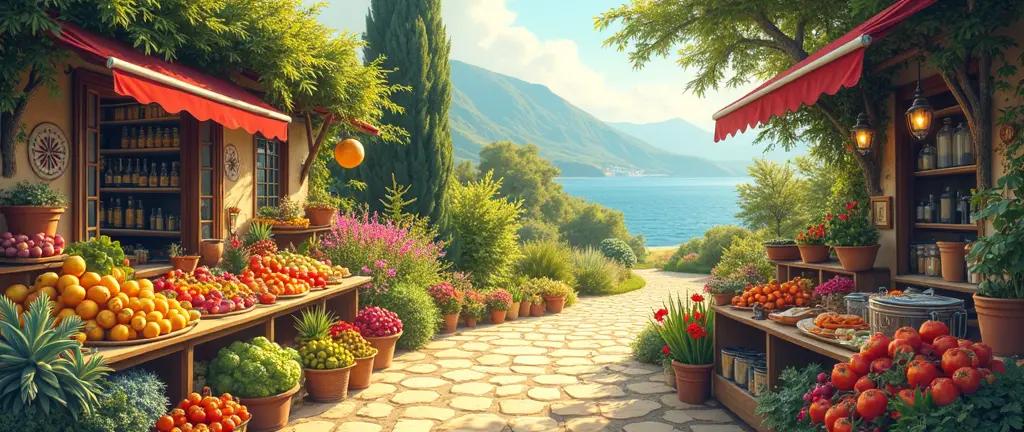
To truly immerse yourself in a world of nutrients, incorporate a rainbow of fruits and vegetables to maximize vitamin and mineral intake. Imagine the vibrant stalls of a Moroccan souk or the abundant harvests of the Mediterranean countryside. Each color in your produce aisle—from the deep purples of eggplant to the bright reds of bell peppers, the sunny yellows of lemons, and the earthy greens of spinach—represents a unique cocktail of vitamins, minerals, and phytonutrients [4]. These aren't just pretty; they are essential micronutrients that power every function in your body. Embracing this colorful variety is not just a *healthy eating* strategy; it's a celebration of nature's bounty and a delightful way to keep your plate exciting and nutritious.
Venturing deeper into our nutritional understanding, it's crucial to differentiate between good and bad fats and their impact on health. Not all fats are created equal, just as not all travel souvenirs are treasured. "Good" fats, like those found in avocados, nuts, seeds, and our beloved Mediterranean olive oil, are monounsaturated and polyunsaturated fats that support heart health and reduce inflammation. "Bad" fats, primarily trans fats found in many processed and fried foods, can elevate bad cholesterol and increase disease risk [5]. Learning to choose wisely, opting for healthy fats, can significantly protect your long-term health, ensuring your *wellness journey* is a long and joyous one.
Finally, let’s talk about the unsung heroes protecting our cells: discover the role of antioxidants in protecting your cells. Think of antioxidants as tiny, diligent guardians standing watch over your body’s cells, defending them against damage from free radicals, which are unstable molecules that can contribute to aging and disease. Foods rich in antioxidants—like berries, dark chocolate, green tea, and many colorful vegetables—are like offering your body natural armor [6]. Incorporating these into your daily *diet guide* is a proactive step towards longevity and vitality, a beautiful way to ensure your body remains resilient for all the adventures ahead.
Remember, embarking on this journey of *healthy eating* isn't about grand, overwhelming gestures. It’s about understanding that small, consistent nutrition tips can lead to significant health improvements. Just as mastering a new language starts with a few essential phrases, transforming your diet begins with small, manageable changes. Perhaps you start by reading one food label more closely today, or adding an extra serving of colorful vegetables to your dinner. These incremental steps, taken consistently, will build a robust foundation for your overall well-being, paving the path to a healthier, happier you, one delicious and informed choice at a time.
Crafting Your Personalized Diet Guide: Beyond Trends
Ah, the world of healthy eating! It can feel as vast and overwhelming as planning a grand tour through Italy, can't it? One minute you’re being told to embrace the Mediterranean diet, the next it’s all about intermittent fasting or carb cycling. Just like a traveler trying to follow a generic guidebook designed for everyone, you might find yourself feeling lost, uninspired, or simply out of step with what truly makes you feel good. This is precisely why the most enriching journey, be it across continents or into your own wellness, begins with a single, profound realization: a 'one-size-fits-all' diet guide rarely works. Your personal journey with food deserves bespoke attention. To truly unlock the secrets of healthy eating and embark on a sustainable *wellness journey*, we must move beyond fleeting trends and design an eating plan that is uniquely, wonderfully *you*.
This personalized approach is deeply rooted in understanding your own inner landscape, much like researching the perfect itinerary for your dream vacation. It begins by honestly considering your lifestyle, preferences, and health goals when designing your eating plan. Are you a busy professional constantly on the go, needing quick, nutritious meals? Or perhaps a home chef who loves to linger over fresh ingredients? Your daily routine, energy levels, and even your cultural background play a significant role. Think about what foods genuinely bring you joy and nourishment. Are you aiming to boost your energy, manage a specific health condition, or simply cultivate a more mindful relationship with food? These personal insights are your compass, guiding you toward choices that genuinely support a healthier, happier you.
While self-reflection is a powerful starting point, sometimes, even the most seasoned traveler needs a local expert to truly unearth hidden gems. This is where consulting with a registered dietitian to create a tailored diet guide that fits your unique needs becomes invaluable. Think of a dietitian as your personal culinary anthropologist or a seasoned tour guide who understands the intricate nutritional landscape. They possess the scientific knowledge to assess your individual metabolic needs, dietary restrictions, and specific health conditions, offering guidance that is evidence-based [7]. They can help decode confusing labels, suggest balanced meal structures, and, crucially, help you set realistic and achievable goals. This professional insight ensures your personalized diet guide isn't just a wish list but a practical, scientifically sound blueprint designed to maximize your well-being, steering clear of the pitfalls of misinformation.
Embarking on this journey of personalization also means embracing a spirit of culinary adventure. Don't be afraid to experiment with different food groups and preparation methods to find what you truly enjoy. The beauty of food lies in its incredible diversity! Perhaps you've always gravitated towards pasta, but have you explored the nutty goodness of farro, the versatile charm of quinoa, or the earthy delight of polenta? Step outside your comfort zone. Try roasting vegetables instead of just steaming them, or experiment with fermentation methods that introduce incredible flavors and gut-healthy benefits. My travels have opened my eyes to the incredible variety of grains, legumes, and cooking techniques across cultures. Each culinary exploration is an opportunity to discover new tastes, textures, and nutrients that can enrich your plate and your life. Remember, the goal isn't just to eat healthily, but to enjoy eating healthily, making it a source of pleasure and vitality rather than a chore.
Ultimately, the most profound secret to *healthy eating* isn't about quick fixes or drastic overhauls; it's about making choices you can live with, day in and day out. This means focusing on sustainable changes rather than restrictive short-term diets. Just like a slow, immersive journey through a beautiful country, true wellness is cultivated through consistent, gentle steps, not a frantic sprint to a finish line. Restrictive diets often lead to feelings of deprivation, creating a cycle of yo-yo dieting that is both physically and emotionally draining. Instead, consider small, incremental shifts: perhaps adding an extra serving of vegetables to your dinner, swapping a sugary drink for sparkling water infused with fruit, or incorporating mindful eating practices. These seemingly minor adjustments, when consistently applied, build a robust foundation for long-term health and well-being, transforming your relationship with food into one of respect, enjoyment, and enduring nourishment. This isn't just about what you eat, but how you live, breathe, and experience the deliciousness of life, one mindful bite at a time.
Mastering Portion Control: Eating Smarter, Not Less
As a storyteller who has traversed the globe, experiencing everything from the bustling street food markets of Southeast Asia to the refined trattorias of my home country, Italy, I’ve learned that food is far more than mere sustenance. It’s culture, connection, and pure joy. Yet, in our quest for a truly enriching *wellness journey*, understanding *how* much we eat is just as vital as *what* we eat. This isn't about deprivation, *amici*, but about mastering the art of portion control to truly savor our meals and foster a sustainable approach to *healthy eating*. It's about eating smarter, not less.
One of the simplest yet most profoundly effective *nutrition tips* I’ve picked up, both from observing local customs and through my own experiences, is the power of visual cues. Picture this: a cozy Italian nonna serving a perfect plate of handmade pasta. Her plates, often smaller than what we’ve grown accustomed to in some parts of the world, elegantly frame the meal, making even a modest portion feel abundant and satisfying. It’s a trick of the eye, yes, but also a clever psychological nudge. When we use smaller plates, our meal fills more of the surface, signaling to our brain that we have a substantial amount, naturally encouraging more effective *mindful eating* [8]. Try swapping your large dinner plates for salad plates at your next meal; you might be surprised at how naturally you reduce your intake without feeling short-changed.
Beyond visual tricks, a foundational step in any effective *diet guide* is to truly understand standard serving sizes for different food groups. This is where it gets a little tricky, as what constitutes a "serving" can often be misinterpreted. My travels have shown me that cultural norms for serving sizes vary wildly. For example, a standard serving of pasta in Italy is typically 80-100 grams dry, a far cry from the mountainous portions often seen elsewhere. It requires a bit of an "explorer's mindset" to educate ourselves initially. Take the time to read food labels, perhaps even use measuring cups and a kitchen scale for a week or two. It’s like learning the local language of a new country; once you understand the basic vocabulary, you can navigate with confidence and make informed choices about your *healthy eating* habits [9].
This brings us to a crucial aspect of *mindful eating*: paying attention to how much you're actually eating versus what you *think* you're eating. In our fast-paced world, meals often become secondary to scrolling through social media or catching up on emails. This distracted eating is a prime culprit for overconsumption. Think about the Italian tradition of the *pranzo* or *cena* – a meal isn't just fuel; it's a social ritual, a time to slow down, converse, and truly taste every ingredient. When you're truly present, savoring the textures, aromas, and flavors, your body has a chance to register fullness [10]. This active engagement helps bridge the gap between perceived and actual intake, allowing you to recognize satiety cues more readily. I often advise journaling your meals for a few days – not to judge, but merely to observe. It's a powerful tool for self-awareness on your *wellness journey*.
Another common pitfall I’ve observed is the habit of eating directly from packages – whether it's a bag of chips, a box of crackers, or a tub of ice cream. This approach is an open invitation to overconsumption because it completely removes any visual or psychological boundary. It's like trying to navigate an unknown city without a map or an itinerary; you're likely to wander aimlessly and get lost. Instead, treat your snacks with the same respect as a main meal. Pour a reasonable portion into a bowl or onto a plate. This small act creates a defined stopping point, a clear boundary for your consumption. It transforms an unconscious grazing session into a conscious, controlled decision, aligning perfectly with the principles of *mindful eating*.
Ultimately, the goal of mastering portion control is not deprivation, but balance. My journey as a food storyteller has taught me that food should always be a source of joy and sustenance, never a source of guilt or strict restriction. A restrictive *diet guide* often leads to feelings of resentment and eventual rebellion. Instead, we aim for a harmonious balance, much like the delicate equilibrium of flavors in a perfectly prepared risotto. It’s about learning to enjoy your favorite foods in appropriate amounts, allowing for those moments of indulgence without derailing your overall *healthy eating* goals. By embracing these simple yet powerful strategies, you’re not just controlling portions; you're cultivating a deeper, more respectful relationship with your food, empowering you to navigate your *wellness journey* with wisdom and sustained delight.
The Power of Meal Planning and Preparation
Ah, the tantalizing aroma of a home-cooked meal, the vibrant colours of fresh, seasonal produce laid out on a table… For many of us, this is the dream, a cornerstone of our *healthy eating* aspirations. Yet, in the whirlwind of daily life, it often feels like an impossible feat. That's where the magic of meal planning and preparation steps in, transforming what seems like a daunting challenge into a delightful *wellness journey*. Just as I meticulously plan my travel itineraries, ensuring every day is filled with discovery and delicious local finds, organizing your meals is your passport to nutritional success. It’s not merely about food; it’s about regaining control, embracing conscious choices, and finding joy in every bite.
Consider the classic travel dilemma: you’re exploring the winding alleyways of a new city, hunger strikes, and suddenly, you’re grabbing the quickest, often unhealthiest, option available. Your wallet, and perhaps your stomach, regrets it later. Meal planning banishes this culinary chaos from your everyday life by helping you avoid last-minute impulse purchases. By dedicating a little time upfront, perhaps over a relaxing Sunday espresso, you can map out your week’s meals. This foresight is a powerful shield against those frantic, last-minute impulse purchases that often lead to expensive, less nutritious takeout or ready-made meals. It saves precious euros and, more importantly, countless minutes of indecision and stress, freeing you to savor your evenings rather than scramble for dinner. Think of it as pre-booking your gastronomic adventures, ensuring quality and preventing buyer's remorse [11].
Just as a seasoned traveler always has a nourishing snack tucked away for those mid-exploration energy dips, preparing healthy snacks in advance is a crucial *nutrition tip* for navigating your day. How many times have we reached for a packet of biscuits or a sugary drink when hunger unexpectedly calls, simply because it’s convenient? Instead, imagine opening your fridge to find perfectly portioned fruit, vibrant veggie sticks with homemade hummus, or a handful of almonds and walnuts – your body will thank you! This simple act of foresight not only keeps your energy levels stable but also profoundly supports *mindful eating*, preventing the sugar crash and guilt that often follow less nutritious choices.
And oh, the glory of batch cooking! This is truly where the magic of efficiency meets deliciousness. Picture returning home after a long, exhilarating day of exploring ancient ruins or bustling markets, tired but glowing, knowing that a hearty, healthy meal is waiting for you with minimal effort. That’s the feeling batch cooking provides. Dedicating a few hours on the weekend to prepare larger quantities of versatile ingredients – perhaps a generous pot of lentil soup, a tray of roasted seasonal vegetables, or a wholesome grain like farro or quinoa – means you have healthy components ready to be mixed and matched for several days. This isn't about eating the same thing every night; it's about having a prepared foundation, like having your travel essentials packed, ready for any adventure.
To truly elevate your culinary journey, crafting a weekly menu that incorporates a variety of ingredients and balances macronutrients is your ultimate *diet guide*. This isn't about rigid rules, but about joyful exploration! Embrace the vibrant tapestry of flavours and textures that fresh produce offers. Think about the colours on your plate: a medley of greens, reds, and oranges from vegetables, alongside lean proteins and complex carbohydrates. It’s like designing a perfect travel itinerary, ensuring you experience a diverse range of sights and sounds. This approach not only keeps your palate excited but also ensures your body receives a wide spectrum of essential nutrients, fueling your every step on this *wellness journey*.
Adding structure and playful variety to your meal plan can be incredibly rewarding. Why not introduce themed nights, like a "Meatless Monday" where you explore delicious plant-based dishes, or perhaps a "Tuscan Tuesday" celebrating the rustic simplicity of Italian cuisine? This turns mealtime into a mini-adventure, encouraging you to experiment with new recipes and ingredients. And here's a secret ingredient: involve your family! In Italy, food is inherently communal. Bringing children into the kitchen to help with planning and preparation is a wonderful way to foster healthy eating habits from a young age. They’re more likely to try a dish they’ve helped create, and it instills a deeper appreciation for where their food comes from, making healthy choices a natural part of their lives.
Ultimately, having a clear plan isn't about restriction; it's about liberation. It removes the guesswork, reduces decision fatigue, and sets you up for consistent success. This thoughtful approach empowers your *diet guide* by making healthy choices the default, rather than the exception. With your meals thoughtfully mapped out and prepared, you’re not just eating; you’re nourishing your body, delighting your senses, and confidently advancing along your extraordinary *wellness journey*.
Sustaining Your Wellness Journey: Long-Term Habits
Ah, *amici*, like any grand adventure, a journey to explore the world's most captivating cuisines or uncover hidden cultural gems, your path to *healthy eating* is not a sprint; it’s a beautiful, winding *wellness journey*. It’s less about a rigid itinerary and more about embracing the spirit of discovery and making choices that allow you to truly savor life, day after delightful day. Having spent years traversing continents and tasting the soul of different places, I’ve learned that the true magic lies not just in the destination, but in the sustainable, joyful habits you cultivate along the way.
One of the most profound lessons from both travel and nurturing my own well-being is that consistency is far more important than perfection in your wellness journey. Imagine trying to plan every single moment of a trip to Tuscany; you'd miss the spontaneous stop at a roadside vineyard or the unexpected conversation with a local artisan! Similarly, expecting flawless adherence to a strict *diet guide* every single day is setting yourself up for disappointment. Instead, focus on making small, consistent healthier choices [12]. Perhaps it's choosing a vibrant salad over a heavier option for lunch most days, or ensuring you start your morning with a nutritious breakfast. These small, daily decisions, like consistently opting for fresh, seasonal produce or dedicating time for *mindful eating*, accumulate over time to create profound, lasting change. It’s the spirit of *piano, piano* – slowly, slowly – that yields the most authentic results, just as a slow-cooked ragù develops the richest flavor.
As you navigate this path, it’s absolutely essential to celebrate small victories and acknowledge progress along the way. Think of it like receiving a new passport stamp for each new country visited. Every time you successfully prepare a new *healthy eating* recipe, choose water instead of a sugary drink, or simply listen to your body’s hunger cues, you’ve earned a celebration! These aren't just minor accomplishments; they are vital affirmations that you're moving in the right direction. Acknowledge the effort you're putting in, the resilience you're building, and the positive changes you're making, no matter how modest they seem. These moments of appreciation fuel your motivation, transforming the journey from a series of tasks into a truly rewarding exploration.
No traveler, no matter how seasoned, goes it alone entirely, and neither should you. Building a support system of friends, family, or professionals is key to keeping you motivated. In Italy, food is inherently communal; meals are shared experiences, stories are exchanged around the table. Why should your *wellness journey* be any different? Share your aspirations and challenges with food-loving *amici* or trusted family members. They can be your fellow adventurers, trying new *nutrition tips* with you, offering encouragement when you falter, or even holding you accountable in a gentle, supportive way. If you find yourself facing complex challenges, don't hesitate to seek guidance from a nutritionist or health coach – they can be your expert guides, helping you navigate unfamiliar terrain with confidence.
It’s inevitable that, like any journey, you’ll encounter unexpected detours or even missed connections. Understand that setbacks are normal and an opportunity for learning, not failure. Did you overindulge during a festive gathering? Did a busy week lead you to rely on convenience foods more than you'd planned? It's perfectly normal. In my travels, I've missed trains, gotten delightfully lost in labyrinthine alleyways, and even faced unexpected downpours. Each "setback" wasn't a failure but an opportunity to adapt, to discover a new route, or simply to embrace the unexpected. The same applies here: Instead of dwelling on a perceived slip-up, ask yourself: What can I learn from this? How can I adjust my approach next time? A temporary deviation from your *diet guide* is not the end of the road; it's just a chance to reassess your compass and course-correct. It’s all part of the authentic human experience.
Finally, remember that *healthy eating* is just one magnificent ingredient in the recipe for a vibrant life. To truly flourish, integrate physical activity as a complementary component to healthy eating. Think of the joy of a *passeggiata* – a leisurely evening stroll through an Italian piazza, connecting with neighbors, enjoying the sights and sounds. Physical activity doesn't have to mean intense gym sessions; it can be as simple as walking more, taking the stairs, or finding a movement practice you genuinely enjoy, like dancing, cycling, or exploring local parks [13]. This isn't merely about burning calories; it's about feeling alive, connecting with your body, and enhancing your overall well-being. Food nourishes your body from within, and movement helps you experience the world with energy and vitality. Together, they create a harmonious balance, turning your *wellness journey* into a holistic and incredibly rewarding adventure. Embrace these habits, and you’ll unlock a life brimming with health, happiness, and authentic Italian zest!
Embarking on a journey towards healthier eating is truly an adventure, one that promises rich rewards for your body and mind. We've explored how to decode nutrition labels, understand the power of macronutrients, embrace colorful produce, and distinguish between fats. We've championed a personalized approach to your *diet guide*, moving beyond fleeting trends to find what truly nourishes you. Mastering portion control helps us savor our meals, while strategic meal planning and preparation empower us to make healthy choices consistently. Remember, this *wellness journey* is about consistency, not perfection, celebrating small victories, building a supportive community, learning from setbacks, and complementing your diet with joyful physical activity. So, take these *nutrition tips* and start crafting your own delicious, vibrant path to a healthier, happier you. The world of wellness awaits – buon viaggio!
References
- U.S. Food and Drug Administration, "How to Understand and Use the Nutrition Facts Label," 2023. Available: View source.
- Harvard T.H. Chan School of Public Health, "The Nutrition Source: Healthy Eating Plate," 2024. Available: View source.
- Mayo Clinic, "Dietary fiber: Essential for a healthy diet," 2023. Available: View source.
- American Heart Association, "Eat a Rainbow: Why a Variety of Fruits and Veggies Is So Important," 2023. Available: View source.
- American Heart Association, "Dietary Fats," 2023. Available: View source.
- MedlinePlus, "Antioxidants," U.S. National Library of Medicine, 2023. Available: View source.
- Academy of Nutrition and Dietetics, "What is an RDN or NDTR?," 2024. Available: View source.
- B. Wansink and R. van Ittersum, "Portion Size Me: Downsizing Our Consumption Norms," *Journal of the American Dietetic Association*, vol. 107, no. 7, pp. 1121-1124, 2007. Available: View source.
- U.S. Department of Agriculture, "MyPlate: How Much Food From Each Food Group Is Needed Daily?," 2024. Available: View source.
- E. M. Nelson, "Mindful Eating," *Current Opinion in Endocrinology, Diabetes and Obesity*, vol. 20, no. 5, pp. 410-414, 2013. Available: View source.
- Centers for Disease Control and Prevention, "Healthy Eating for a Healthy Weight," 2024. Available: View source.
- J. Prochaska and C. DiClemente, "Stages of Change in the Modification of Problem Behaviors," *Progress in Behavior Modification*, vol. 20, pp. 185-238, 1986. Available: View source.
- World Health Organization, "Physical activity," 2022. Available: View source.
Hi, I’m Jamal Hassan, a writer from Morocco. With more than 10 years of exploring food and culture writer exploring street food, traditional dishes, and the stories of people behind them., I’ve learned to blend personal insight with clear, practical storytelling inspired by my background in Culinary Arts.